
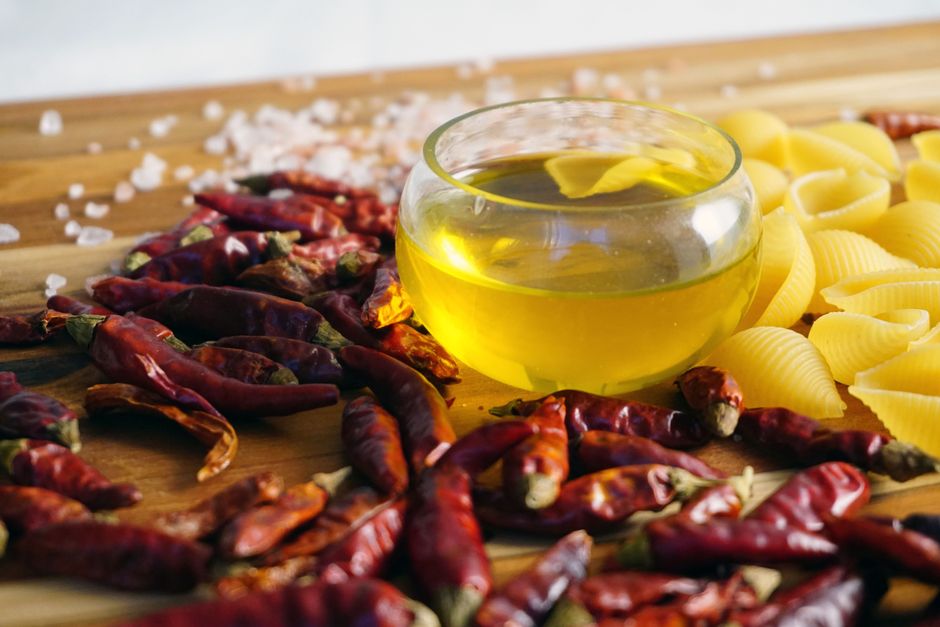
Spicy food is not good for a sore throat. Capsaicin, the compound that makes chili peppers hot, can irritate already inflamed throat tissue and make pain worse. While some people report temporary relief from the endorphin release that comes with eating spicy food, the direct irritant effect on a raw, swollen throat usually outweighs any short-term benefit.
Why Spicy Food Irritates a Sore Throat
A sore throat means the mucous membranes lining your throat are inflamed. The tissue is swollen, sensitive, and often raw. When you eat something spicy, capsaicin binds to pain receptors in your mouth and throat. This triggers the same burning sensation you feel on your skin, but on tissue that is already damaged.
Your body responds by producing more mucus and increasing blood flow to the area. That extra blood flow can worsen swelling. For most people, this makes the throat feel more painful, not less. The burning sensation can also trigger coughing, which further irritates an already tender throat.
There is also a secondary issue. Spicy foods often contain acidic ingredients like tomatoes or vinegar. Acid on raw, inflamed tissue stings. Even if the capsaicin itself did not cause problems, the acidity in many spicy dishes would.
What the Research Actually Shows
Some research has looked at capsaicin as a pain treatment. Studies have found that repeated exposure to capsaicin can desensitize pain receptors over time. This has led some people to believe that eating spicy food could help a sore throat by numbing the area.
The problem is that this desensitization research does not translate to treating an active throat infection or inflammation. The studies that show pain relief from capsaicin involve controlled, repeated applications over days or weeks. Eating a bowl of spicy curry once will not produce that effect. What you get instead is immediate irritation on tissue that is already compromised.
Some research suggests that capsaicin may have antibacterial properties. But no clinical evidence currently confirms that eating spicy food can fight a throat infection. The concentration of capsaicin in food is far too low to have any meaningful antimicrobial effect in your throat.
Why Some People Feel Better After Eating Spicy Food
There is a real reason some people report feeling better after eating spicy food while sick. Spicy food triggers the release of endorphins, your body’s natural painkillers. This can create a brief sense of relief or well-being. It can also thin mucus, which may make it easier to clear your throat temporarily.
This does not mean the spicy food is healing your throat. The endorphin effect is temporary. The mucus-thinning effect can actually backfire. Thinner mucus drains more, which can increase post-nasal drip. Post-nasal drip is a common cause of throat irritation and coughing, especially at night.
People who feel better after spicy food may also be experiencing a distraction effect. The intense burning sensation from the spice can temporarily override the pain signals from the throat. This is similar to why rubbing a sore muscle can feel good. The competing sensation does not treat the underlying problem.




What to Eat Instead When Your Throat Hurts
If you have a sore throat, the goal is to soothe the tissue, not stimulate it. Warm liquids like tea with honey are a better choice. Honey has some evidence for soothing coughs and throat irritation. Warm broth can also help keep you hydrated without irritating the throat.
Cold foods can help numb the throat in a way that does not cause chemical irritation. Ice cream, frozen yogurt, or cold applesauce can provide temporary relief. The cold temperature reduces blood flow to the area, which can decrease swelling.
Soft, bland foods are generally well tolerated. Mashed potatoes, oatmeal, scrambled eggs, and yogurt are gentle on an inflamed throat. Avoid anything crunchy, acidic, or heavily spiced until the pain subsides.
When a Sore Throat Needs Medical Attention
Most sore throats are caused by viruses and resolve on their own within a week. But some require medical treatment. Strep throat is a bacterial infection that needs antibiotics. It does not get better on its own.
See a doctor if you have a sore throat with a fever above 101°F, swollen lymph nodes, or white patches on your tonsils. Difficulty swallowing, difficulty breathing, or drooling in an adult are also warning signs. A sore throat lasting more than a week without improvement should be evaluated.
If your sore throat comes with a rash, joint pain, or ear pain, seek medical advice. These can be signs of a more serious condition. Do not rely on home remedies, including spicy food, to treat these symptoms.
Does Spicy Food Worsen a Sore Throat Long Term
Eating spicy food during a sore throat will not make the underlying infection last longer. The virus or bacteria causing your sore throat will run its course regardless of what you eat. But spicy food can slow down your recovery in a practical sense.
If eating spicy food causes coughing, throat clearing, or increased pain, you are less likely to rest and hydrate properly. You may also avoid eating altogether if it hurts too much. Poor nutrition and dehydration during an illness can prolong recovery.
There is also the risk of acid reflux. Spicy food can relax the lower esophageal sphincter, allowing stomach acid to flow back into the throat. Acid reflux is itself a cause of throat irritation. If you already have a sore throat, reflux can make it significantly worse.
Can Spicy Food Prevent a Sore Throat
No evidence currently confirms that eating spicy food prevents throat infections. Some people claim that regular consumption of spicy food strengthens the immune system. The research on this is limited and does not support a specific protective effect against sore throats.
What is true is that a diet rich in vegetables, fruits, and whole foods supports immune function. If spicy food is part of an overall healthy diet, it may be part of a pattern that keeps you healthy. But eating spicy food specifically to avoid a sore throat is not supported by clinical evidence.
Frequently Asked Questions
Can spicy food make a sore throat worse?
Yes. Capsaicin irritates already inflamed throat tissue and can increase pain and swelling. The acidic ingredients in many spicy dishes can also sting raw tissue.
Why does my throat feel better after eating spicy food?
Spicy food triggers endorphin release, which can briefly mask pain, and it may temporarily thin mucus. This relief is short-lived and does not mean the spice is healing your throat.
Is it okay to eat spicy food with strep throat?
No. Strep throat causes significant inflammation, and spicy food will irritate the infected tissue further. Strep throat requires antibiotics, so see a doctor rather than relying on dietary changes.
What is the fastest way to soothe a sore throat?
Warm liquids like tea with honey and cold foods like ice cream can provide quick relief. Gargling with warm salt water and staying hydrated are also effective and well-supported home measures.
