
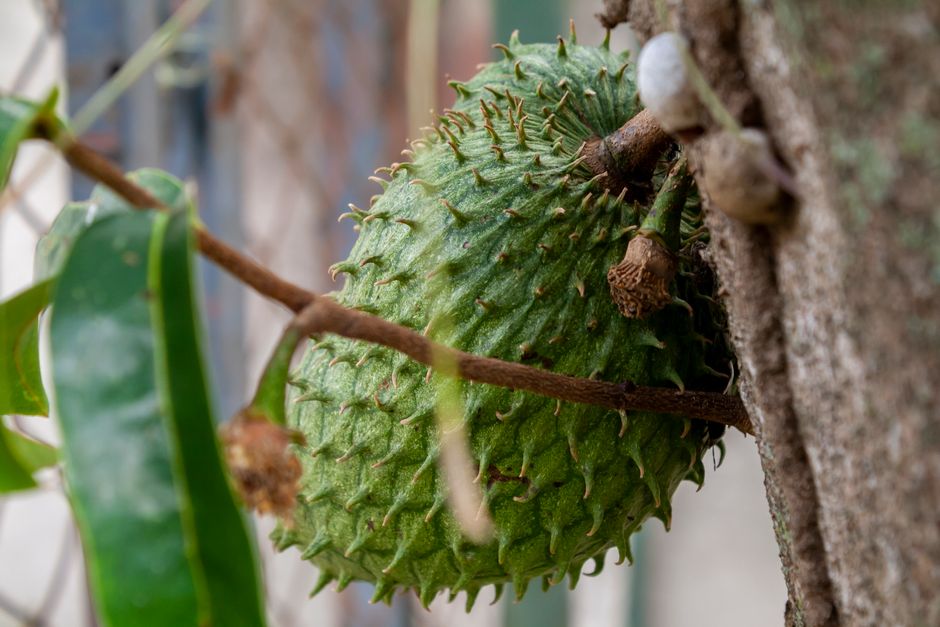
Soursop, also known as graviola, is a tropical fruit that has become popular in health circles. Many people claim it can fight cancer, kill parasites, and cure infections. The straightforward answer is that soursop is a nutritious fruit with some promising compounds, but the boldest health claims — especially about curing cancer — are not backed by enough human evidence. It is good for health as part of a balanced diet, but it is not a miracle treatment for serious disease.
What Are the Known Nutritional Benefits of Soursop?
Soursop is genuinely nutrient-dense. A one-cup serving of raw soursop pulp contains about 148 calories, 7 grams of fiber, and more than 30 grams of carbohydrates. It is also a strong source of vitamin C, providing roughly 46 milligrams per cup — that is about half the daily recommended intake for most adults.
The fruit also delivers significant amounts of potassium and magnesium. Potassium helps regulate blood pressure, and magnesium supports muscle and nerve function. Research published in the Journal of Food Science and Technology found that soursop pulp is rich in antioxidants like flavonoids and phenolic compounds. These substances help neutralize free radicals, which are unstable molecules that can damage cells over time.
One non-obvious point is that soursop contains more fiber than many other tropical fruits. The 7 grams of fiber per cup is higher than what you get from mango, papaya, or pineapple. Fiber supports digestion, helps maintain stable blood sugar, and contributes to feeling full after eating. For most people, eating the whole fruit is better than drinking juice because the fiber stays intact.
Does Soursop Help Fight Cancer?
This is the most common question about soursop, and it deserves a clear answer. Laboratory studies have found that compounds in soursop called annonaceous acetogenins can kill cancer cells in petri dishes. A study published in the Journal of Medicinal Chemistry showed that these compounds were toxic to several types of cancer cell lines, including breast, colon, and prostate cancer cells.
However, there is a critical gap between a petri dish and a human body. As of 2026, there is no published clinical trial showing that eating soursop or taking soursop supplements shrinks tumors in people. The National Cancer Institute does not list soursop as a treatment for any cancer. The doses used in lab studies are far higher than what someone could get from eating the fruit, and the compounds are not well absorbed when taken orally.
Some people report that soursop helped them or a loved one during cancer treatment. These are personal stories, not scientific evidence. It is possible that soursop has some anti-cancer activity in the body, but the evidence is too weak to recommend it as a treatment. Anyone with cancer should not replace standard medical care with soursop.
What Are the Risks and Side Effects of Soursop?
Soursop is not harmless. The same compounds that kill cancer cells in a lab can also damage healthy nerve cells. Research has linked long-term consumption of soursop to a type of movement disorder called atypical parkinsonism. A study from the Caribbean found that people who regularly ate soursop fruit and drank soursop tea had higher rates of neurological symptoms similar to Parkinson’s disease.
The acetogenins in soursop are neurotoxic at high doses. The risk appears to be highest in people who consume large amounts over many years. Drinking soursop tea daily or taking concentrated supplements likely carries more risk than eating the fruit occasionally. The fruit itself contains lower levels of these compounds, but the seeds and leaves have much higher concentrations.
Soursop can also lower blood pressure. This is a risk for people already on blood pressure medication. If you combine soursop with prescription drugs that lower blood pressure, your levels could drop too low. The fruit may also interfere with medications processed by the liver, though specific interactions are not well documented.
Pregnant women should avoid soursop supplements entirely. There is no safety data for pregnancy, and the neurotoxic compounds could potentially harm a developing baby. Eating small amounts of the fruit is probably safe, but there is no evidence to confirm that.





How Does Soursop Compare to Other Fruits for General Health?
If you are looking at soursop as a general health food, it is good but not exceptional. The table below compares one cup of soursop to one cup of other common fruits based on key nutrients.
| Nutrient | Soursop | Orange | Banana | Strawberry |
|---|---|---|---|---|
| Vitamin C (mg) | 46 | 96 | 10 | 85 |
| Fiber (g) | 7 | 4 | 3 | 3 |
| Potassium (mg) | 626 | 237 | 422 | 233 |
| Calories | 148 | 86 | 134 | 49 |
Soursop stands out for its fiber and potassium content. It has more fiber than any of the other fruits listed and significantly more potassium than oranges or strawberries. However, it is also higher in calories and sugar than some alternatives. If your goal is vitamin C, a single orange provides more than double the amount in soursop. The fruit is a solid choice for variety, but it does not outperform other fruits so dramatically that it deserves special status.
Is Soursop Good For Health as a Supplement or Tea?
Soursop supplements and teas are widely sold online and in health food stores. These products are not regulated by the FDA in the same way that drugs are. A 2020 analysis of soursop supplements found that many did not contain the amount of active compounds listed on the label. Some contained none at all. Others had levels of acetogenins that could be unsafe.
The leaves and seeds are where the most potent compounds are found. Traditional use in herbal medicine involves boiling leaves to make tea. This practice is common in parts of South America and the Caribbean. However, traditional use does not mean it is safe for everyone. The tea can contain high levels of neurotoxic compounds, especially if the leaves are boiled for a long time or if large amounts are consumed.
There is no established safe dose for soursop supplements. Clinical trials have not been done to determine how much is safe or effective. The general advice from toxicologists is to avoid concentrated extracts and supplements. Eating the fruit in normal amounts — one cup a few times per week — is unlikely to cause problems for most healthy adults. Anything beyond that enters unknown territory.
Common Misconceptions About Soursop
One widespread claim is that soursop is 10,000 times stronger than chemotherapy. This number comes from a single laboratory study that measured the effect of a specific acetogenin on cancer cells in a dish. The study did not compare soursop to chemotherapy in humans. The 10,000 times figure is misleading because it ignores how the body absorbs and processes the compound. No reputable scientist has ever claimed that eating soursop is stronger than chemotherapy in a living person.
Another myth is that soursop can cure infections like herpes or malaria. Some lab studies show that soursop extracts can inhibit viruses and parasites. However, these results have not been confirmed in human trials. The doses needed to achieve these effects in the body are not known. Relying on soursop to treat an infection could delay proper medical care and allow the infection to worsen.
A third misconception is that natural means safe. Soursop is natural, but it contains compounds that can be toxic. Many plants produce chemicals that defend them from pests, and those same chemicals can harm humans in high amounts. Natural is not a guarantee of safety, especially when consuming concentrated forms like supplements or tea.
What to Avoid When Using Soursop
Avoid eating the seeds. They are hard, bitter, and contain the highest concentration of neurotoxic compounds. Swallowing seeds whole is unlikely to cause harm because they pass through the digestive system intact, but chewing them increases the risk of toxicity. The seeds have been used as a traditional insecticide in some cultures, which should be a warning about their potency.
Avoid drinking soursop leaf tea every day. Occasional use is likely fine, but daily consumption over months or years increases the risk of neurological damage. If you have a family history of Parkinson’s disease or other movement disorders, it is wise to avoid soursop tea and supplements entirely.
Avoid combining soursop with blood pressure medication without talking to a doctor. The fruit can lower blood pressure on its own, and adding it to medication could cause hypotension. Symptoms of low blood pressure include dizziness, fainting, and fatigue. If you take medication for high blood pressure, check with your healthcare provider before adding soursop to your diet.
Frequently Asked Questions
Can soursop cure cancer?
No. Laboratory studies show that compounds in soursop can kill cancer cells in a dish, but there is no clinical evidence that it cures cancer in humans. Do not replace medical treatment with soursop.
Is it safe to eat soursop every day?
Eating the fruit a few times per week is likely safe for most healthy adults. Daily consumption over many years may increase the risk of nerve damage due to neurotoxic compounds in the fruit.
Does soursop interact with medications?
Yes. Soursop can lower blood pressure and may interact with blood pressure medications. It may also affect how the liver processes certain drugs. Check with your doctor if you take prescription medications.
Can you eat soursop seeds?
No. Soursop seeds contain high levels of toxic compounds and should not be eaten. Swallowing them whole is less risky than chewing them, but it is best to avoid them entirely.
