

Sourdough bread is often described as easier to digest than regular bread, and for many people, that is true. The difference comes down to how the bread is made—specifically, the long fermentation process that breaks down components of wheat before the bread ever reaches your plate. While sourdough is not a cure for celiac disease, the process genuinely changes the bread’s structure in ways that can reduce bloating and discomfort for some people.
What Makes Sourdough Different From Regular Bread
Most commercial bread uses commercial yeast to rise quickly. The entire process, from mixing to baking, can take just a few hours. The yeast makes the bread rise, but it does not have time to break down much of the flour.
Sourdough uses a different approach. A sourdough starter is a living culture of wild yeast and lactic acid bacteria. This starter ferments the dough for many hours—often 12 to 24 hours or longer. That extended fermentation time is the key difference, and it changes the bread in several important ways.
Regular bread is made fast. Sourdough is made slowly. That slow process is what makes sourdough different from a chemical and structural standpoint.
How Fermentation Changes the Structure of Wheat
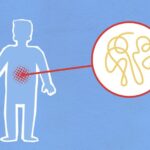
Wheat contains several components that can be hard for some people to digest. The main ones are gluten proteins and certain types of carbohydrates called FODMAPs. FODMAPs are short-chain carbohydrates that ferment in the gut and can cause gas, bloating, and discomfort in sensitive people.
During sourdough fermentation, the lactic acid bacteria and yeast actively break down some of these components. The bacteria consume sugars and other carbohydrates in the flour. This reduces the FODMAP content of the finished bread. Some studies have shown that sourdough fermentation significantly lowers the amount of fructans—a type of FODMAP—compared to regular yeast bread.
The fermentation process also partially breaks down gluten proteins. Some of the gluten is degraded into smaller fragments during the long fermentation. This does not make the bread safe for people with celiac disease, but it may make the gluten easier for sensitive guts to handle.
Is Sourdough Bread Easier to Digest for Most People
For people with mild gluten sensitivity or irritable bowel syndrome, sourdough can be a meaningful improvement over regular bread. The reduced FODMAP content is the main reason. Many people who react to regular bread find they tolerate sourdough better because there are simply fewer of the carbohydrates that trigger gas and bloating.
However, the degree of benefit depends heavily on how the bread is made. A true sourdough with a long fermentation time will have more of these beneficial changes. A bread labeled “sourdough” that is made quickly with commercial yeast and just a small amount of starter for flavor will not have the same effect. The label alone does not tell you much.
Not everyone will notice a difference. Some people digest regular bread just fine, and for them, sourdough is not “easier” in any noticeable way. The benefit is most pronounced in people who already have some sensitivity to wheat or to the carbohydrates in wheat.



What Sourdough Does Not Do
Sourdough is not safe for people with celiac disease. Celiac disease is an autoimmune condition where even tiny amounts of gluten trigger an immune response that damages the small intestine. The partial breakdown of gluten during fermentation does not remove it. Sourdough made from wheat, barley, or rye still contains gluten.
There is no level of fermentation that makes gluten-containing sourdough safe for someone with celiac disease. If you have celiac disease, only gluten-free bread made from certified gluten-free grains is safe. Some studies have explored whether long-fermented sourdough might be tolerated by some people with celiac disease, but the evidence is not there, and clinical guidance is clear: it is not safe.
If you have a wheat allergy, sourdough is also not a solution. A wheat allergy is an immune reaction to wheat proteins, and those proteins remain present in sourdough even after fermentation.
Phytic Acid and Mineral Absorption
There is another way sourdough differs from regular bread that has nothing to do with digestion comfort. Wheat contains phytic acid, a compound that can bind to minerals like iron, zinc, and calcium and reduce how well your body absorbs them.
The lactic acid bacteria in sourdough produce enzymes called phytases that break down phytic acid. Research consistently shows that sourdough fermentation reduces phytic acid content significantly. This means the minerals in sourdough bread may be more available to your body than the minerals in regular bread.
This is a modest benefit, not a dramatic one. Bread is not the main source of iron or zinc in most diets. But it is a real, measurable difference between sourdough and conventional bread.
How to Choose a Sourdough That Is Actually Fermented
The word “sourdough” on a package does not guarantee a long fermentation. Many commercial bakeries use sourdough flavoring or a small amount of starter alongside commercial yeast to speed up production. These breads may taste slightly tangy, but they do not have the same digestive benefits.
If you want a sourdough that has been properly fermented, look for clues in the ingredient list. A traditional sourdough has just three ingredients: flour, water, and salt. The starter is not usually listed because it is part of the process, not an added ingredient. If the ingredient list includes yeast, that is a sign the bread was not fermented the traditional way.
Buying from a local bakery and asking about fermentation time is the most reliable approach. A baker who ferments dough for 18 to 24 hours will usually be happy to tell you. Supermarket breads rarely disclose fermentation times, which makes them a less reliable choice if you are seeking the digestive benefits.
What the Research Actually Shows
The evidence on sourdough and digestion is real but not overwhelming. Studies have clearly shown that sourdough fermentation reduces FODMAP content and phytic acid. These are measurable, reproducible findings.
What is less clear is how much this translates into symptom relief for individuals. Some studies suggest people with IBS tolerate sourdough better than regular bread. Other research shows mixed results. The reason is that people are different, and the way bread is made varies widely between bakeries and even between batches.
No large clinical trial has definitively proven that sourdough is easier to digest for the general population. The evidence supports the idea that it is easier for some people, particularly those with FODMAP sensitivity. For others, the difference may be negligible.
If you are considering sourdough because regular bread bothers you, it is worth trying. Choose a properly fermented loaf and pay attention to how you feel. If it works for you, that is useful information, regardless of what studies show on average.
Other Reasons People Tolerate Sourdough Better
There is one more factor worth mentioning. Sourdough is often made with a sourdough starter that has been maintained for years or even decades. These starters contain a complex community of bacteria. Some of these bacteria may produce compounds that affect how your gut responds to the bread, but this area is not well studied.
Some people also report that sourdough feels more filling and causes less of a blood sugar spike than white bread. The fermentation process changes the starch structure, and some research suggests sourdough has a lower glycemic index than regular white bread. This means it may raise blood sugar more slowly. This is relevant for people managing blood sugar, but it is not the same as digestion comfort.
If you are trying sourdough for digestive reasons, start with a small amount and see how your body responds. There is no harm in testing it, provided you do not have celiac disease or a wheat allergy.
Frequently Asked Questions
Is sourdough bread safe for people with celiac disease?
No. Sourdough made from wheat, barley, or rye still contains gluten, and fermentation does not remove enough gluten to make it safe for celiac disease.
Why does sourdough cause less bloating than regular bread?
The long fermentation process breaks down FODMAPs—carbohydrates that ferment in the gut and cause gas and bloating. Regular bread does not go through this process.
How can I tell if bread is real sourdough?
Real sourdough is made with only flour, water, and salt, with no commercial yeast listed in the ingredients. Asking the baker about fermentation time is the most reliable way to know.
Does sourdough bread contain gluten?
Yes, if it is made from wheat, rye, or barley. The fermentation process partially breaks down gluten but does not remove it.
