
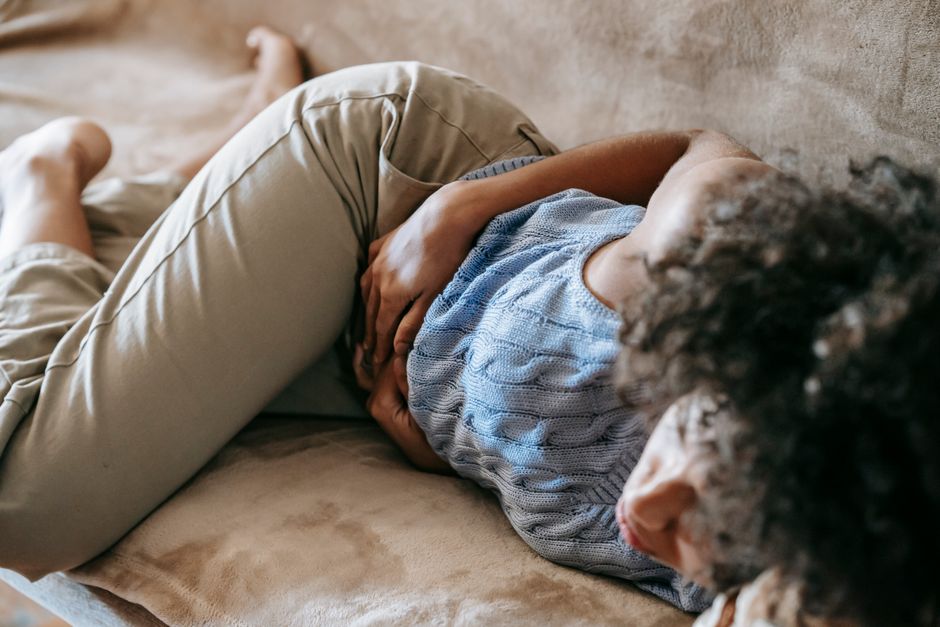
Yes, menopause can cause abdominal pain, but it is not always a direct symptom of the hormonal shift itself. For many women, the discomfort comes from how declining estrogen affects digestion, muscle tension, and pelvic organs. However, abdominal pain can also signal a separate medical condition that needs attention. Understanding the difference matters.
Does Menopause Cause Abdominal Pain Directly?
Menopause itself does not typically cause sharp or severe abdominal pain. What it does cause is a set of physical changes that make pain more likely. The drop in estrogen affects collagen, muscle tone, and the lining of the digestive tract. These changes can lead to bloating, cramping, and a feeling of pressure that many women describe as abdominal pain.
The pain is often mild and comes and goes. It may feel like gas, a dull ache, or a heavy sensation low in the belly. If the pain is severe, constant, or worsening, it is not a normal part of menopause. That kind of pain requires a medical evaluation.
Common Causes of Abdominal Pain During Menopause
Several menopause-related changes can produce abdominal discomfort. Each has a different mechanism, and each feels slightly different.
Bloating and gas. Estrogen influences water retention and the movement of gas through the intestines. When estrogen levels fall, some women experience more gas buildup. This causes a stretched, full feeling in the abdomen. It is uncomfortable but not dangerous.
Constipation. Slower digestion is common in perimenopause and menopause. When stool moves more slowly through the colon, it can cause cramping and a dull ache. Constipation also increases bloating, which adds to the discomfort.
Muscle tension. The abdominal wall is made of muscle. Falling estrogen can affect muscle recovery and make the muscles more prone to tightness. Some women unconsciously tense their stomach muscles in response to stress, which adds to the pain.
Pelvic floor strain. The pelvic floor muscles support the bladder, uterus, and bowel. Estrogen helps keep these tissues strong. As estrogen declines, the pelvic floor can weaken. This can cause a dragging or heavy sensation in the lower abdomen, especially after standing for long periods.
How Hormonal Changes Affect the Digestive Tract
The digestive tract is lined with estrogen receptors. These receptors help regulate how quickly food moves through the system. When estrogen levels fluctuate during perimenopause, digestion can speed up or slow down unpredictably. This is why some women experience alternating constipation and loose stools during the transition.
Estrogen also affects the gut microbiome, the community of bacteria that helps digest food. Research suggests that changes in estrogen levels can alter the balance of these bacteria. Some studies indicate this may contribute to bloating and discomfort, though the exact relationship is still being studied.
Another factor is the stress hormone cortisol. Menopause often coincides with life stressors like career changes, caregiving, or sleep disruption. Higher cortisol levels can slow digestion and increase gut sensitivity. This means the same amount of gas or stool feels more painful than it would otherwise.





When Abdominal Pain Is Not Menopause
Abdominal pain during menopause is frequently caused by something unrelated to hormones. Age itself increases the risk of certain conditions, and menopause simply happens to occur at the same time.
Common conditions that cause abdominal pain in women aged 45 to 60 include:
- Gallstones, which cause pain in the upper right abdomen, often after eating fatty food
- Irritable bowel syndrome, which causes cramping with changes in bowel habits
- Diverticulitis, an inflammation of small pouches in the colon wall
- Ovarian cysts, which can cause sharp pain on one side of the lower belly
- Endometriosis, which can continue to cause pain even after periods stop
- Peptic ulcers, which cause burning pain in the upper abdomen
None of these conditions are caused by menopause. They can occur at any age, but the risk for some of them rises with age. If a woman assumes all abdominal pain is menopause-related, she may delay getting care for a treatable condition.
What Does Ovarian Cancer Pain Feel Like?
Ovarian cancer is often called a silent disease, but it does produce symptoms. The key is that the symptoms are persistent and unusual for the individual. Women who experience bloating, pelvic or abdominal pain, difficulty eating, or feeling full quickly that lasts for more than a few weeks should be evaluated.
These symptoms are common and usually caused by benign conditions. But the persistence is what matters. Occasional bloating after a large meal is normal. Daily bloating that does not go away is not. The same applies to abdominal pain that is new, constant, or getting worse.
No screening test currently exists for ovarian cancer in average-risk women. The CA-125 blood test and transvaginal ultrasound are used for diagnosis, but they are not recommended for routine screening. If symptoms persist, a doctor can determine whether imaging or other tests are appropriate.
When to See a Doctor for Abdominal Pain
Some abdominal pain requires prompt medical attention. The following symptoms should never be dismissed as menopause:
- Pain that is severe enough to interfere with daily activities
- Pain that wakes you from sleep
- Pain accompanied by fever, vomiting, or blood in the stool
- Pain that is getting progressively worse over days or weeks
- New pain after age 60, when the risk of serious conditions increases
- Unexplained weight loss along with abdominal pain
These symptoms can indicate appendicitis, gallbladder disease, bowel obstruction, or other conditions that require treatment. Menopause does not protect against these problems, and delaying care can make them worse.
What Helps Relieve Menopause-Related Abdominal Pain
When the pain is clearly related to digestion or muscle tension, several approaches can help. These are not cures, but they address the underlying mechanisms.
Fiber and hydration. Constipation-related pain often improves with adequate fiber and water. Fiber softens stool and helps it move through the colon. Increasing fiber too quickly can worsen bloating, so it should be added gradually.
Movement. Walking after meals helps stimulate digestion. Regular physical activity also reduces stress, which may reduce cortisol-related gut sensitivity.
Stress management. Since stress amplifies pain perception, practices that lower stress can reduce discomfort. Deep breathing, meditation, and adequate sleep are reasonable approaches. They do not change estrogen levels, but they change how the body responds to digestive discomfort.
Hormone therapy. For some women, menopausal hormone therapy reduces bloating and digestive discomfort. Estrogen therapy can improve the health of the digestive tract lining and pelvic tissues. However, hormone therapy is not recommended solely for abdominal pain. It is prescribed for menopausal symptoms like hot flashes and sleep disruption, and any digestive benefit is secondary. The decision to use hormone therapy should be made with a doctor, considering individual risks and benefits.
Can Menopause Cause Pain on One Side of the Abdomen?
Menopause itself does not cause one-sided abdominal pain. Pain that is localized to the right or left side has a specific source. The ovaries, fallopian tubes, kidneys, and part of the colon all sit on one side of the body. Pain in these areas usually comes from one of these organs.
Ovarian cysts, kidney stones, and diverticulitis can all cause one-sided pain. These conditions are not caused by menopause, but they can occur during the menopausal years. If the pain is sharp, sudden, or accompanied by nausea, it requires evaluation rather than home treatment.
Frequently Asked Questions
Can menopause cause stomach cramps?
Yes, menopause can cause stomach cramps, usually from gas, constipation, or changes in how the digestive tract moves food. These cramps are typically mild and temporary.
How long does menopause abdominal pain last?
Menopause-related digestive discomfort can last for months or years, depending on the individual. The pain usually comes and goes rather than being constant, and it often improves with diet and stress management.
What does menopause bloating feel like?
Menopause bloating feels like a full, tight, or stretched sensation in the abdomen, often worse after meals or later in the day. It is caused by gas buildup and water retention, both of which are influenced by estrogen levels.
When should I worry about abdominal pain during menopause?
See a doctor if the pain is severe, constant, getting worse, or accompanied by fever, vomiting, blood in the stool, or unexplained weight loss. These symptoms are not typical of menopause and need medical evaluation.
