
Meningococcal B disease is a rare but severe bacterial infection caused by Neisseria meningitidis serogroup B. It can cause meningitis (swelling of the membranes around the brain and spinal cord) and bloodstream infections (septicemia). The infection spreads through close contact with respiratory droplets or saliva, and it requires immediate medical treatment with antibiotics because it can become life-threatening within hours.
What Are the First Symptoms of Meningococcal B?
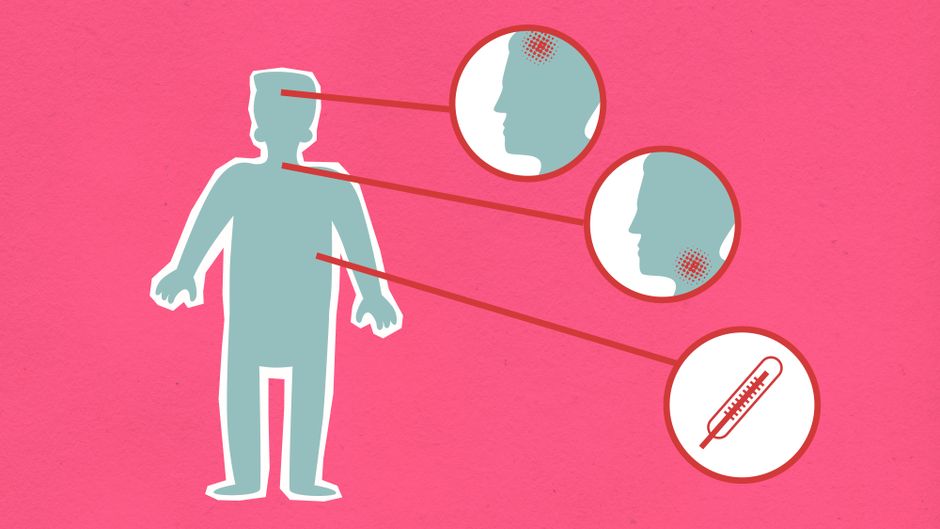
The early symptoms often look like the flu. That makes this infection especially dangerous. People may have a sudden high fever, severe headache, and a stiff neck. Nausea, vomiting, and sensitivity to light are also common. In infants, symptoms can be less specific — they may be irritable, sleepy, refuse to feed, or have a bulging soft spot on the head.
A distinctive symptom is a rash that does not fade when pressed under a glass. This is called a petechial or purpuric rash. It happens because the bacteria damage small blood vessels. However, the rash does not always appear early, and it may not appear at all in some cases. Do not wait for a rash to seek care if other symptoms are severe.
Symptoms can progress very quickly. A person can appear mildly ill and then become critically ill within hours. If you suspect meningococcal disease, go to an emergency room immediately. Do not wait for a doctor’s appointment.
How Does Meningococcal B Spread?
The bacteria live naturally in the nose and throat of about 10% of people. These carriers do not get sick, but they can pass the bacteria to others. The infection spreads through respiratory droplets and saliva. This means kissing, sharing drinks, sharing utensils, or coughing and sneezing in close proximity can transmit it.
It is not spread through casual contact. You will not get it from sitting next to someone in a waiting room or touching a doorknob. Transmission requires close contact with an infected person’s respiratory secretions.
The bacteria do not survive long outside the human body. That is why close, prolonged contact is needed. College dormitories, military barracks, and households are settings where spread can occur. The incubation period is typically 3 to 4 days, but it can range from 2 to 10 days.
What Is the Treatment for Meningococcal B?
Meningococcal disease is a medical emergency. Treatment must begin immediately with intravenous antibiotics. Common choices include ceftriaxone or penicillin, though local resistance patterns may guide the exact drug. Antibiotics are given in the hospital, usually in an intensive care unit.
Supportive care is just as important. Patients may need fluids, oxygen, and medications to support blood pressure. In severe cases, the infection can cause organ failure, and some patients require mechanical ventilation. Early treatment significantly improves outcomes, but even with prompt care, the disease can be fatal.
Close contacts of a confirmed case need preventive antibiotics. This is called chemoprophylaxis. Household members, roommates, and anyone who kissed the patient or shared food or drinks with them should receive antibiotics. This reduces the chance of secondary cases. Public health authorities typically manage this process and notify close contacts.




What Is Meningococcal B Symptoms Spread And Treatment — Vaccine Options
There are vaccines specifically for serogroup B. Unlike the meningococcal conjugate vaccines that cover serogroups A, C, W, and Y, the MenB vaccines are made using reverse vaccinology. They target surface proteins of the bacteria rather than the sugar coating.
Two MenB vaccines are available in the United States: Bexsero and Trumenba. Both are recommended for people aged 16 through 23 years, with a preferred window of 16 to 18 years. The vaccines are also recommended for people aged 10 years and older who have certain risk conditions, such as a damaged spleen or complement component deficiency.
The vaccine series requires more than one dose. Bexsero is given as two doses, and Trumenba is given as either two or three doses depending on the schedule. The exact schedule depends on which vaccine is used and the person’s risk status. A healthcare provider can determine the appropriate series.
Vaccination does not guarantee complete protection. The MenB vaccines protect against most strains of serogroup B, but not all. Still, vaccination is the best available prevention. It is especially important for college students, who are at higher risk due to living in close quarters.
Who Is at Higher Risk for Meningococcal B?
Anyone can get meningococcal disease, but certain groups have higher rates. Infants under one year have the highest incidence of serogroup B disease. Adolescents and young adults aged 16 through 23 also have increased risk. College freshmen living in dormitories are a particular concern.
People with certain medical conditions face higher risk. This includes anyone without a functioning spleen, people with persistent complement component deficiency, and those taking eculizumab. Microbiologists who work with the bacteria routinely are also at increased risk.
Outbreaks can occur in communities, schools, or universities. When an outbreak is declared, public health officials may recommend vaccination for a wider group of people. The decision is based on the specific strains involved and the local epidemiology.
How Is Meningococcal B Diagnosed?
Diagnosis begins with a clinical suspicion based on symptoms. If meningococcal disease is suspected, doctors start antibiotics immediately — even before lab results confirm the infection. Waiting for confirmation before starting treatment is dangerous.
To confirm the diagnosis, doctors take samples of blood or cerebrospinal fluid. The fluid is obtained through a lumbar puncture, also called a spinal tap. The samples are sent to a lab for culture and PCR testing. PCR testing can detect the bacteria’s genetic material quickly, often within hours.
A lumbar puncture is not always done if the patient is unstable. In those cases, blood cultures alone may be used. Even if antibiotics were started before the samples were taken, the lab can sometimes still identify the bacteria. This matters for public health contact tracing and for understanding local strain patterns.
What Are the Long-Term Effects of Meningococcal B?
Survivors can face lasting health problems. About 1 in 5 survivors of meningococcal disease has long-term complications. Hearing loss is one of the most common. Others include brain damage, seizures, and learning disabilities.
Limb loss can occur. The infection can cause blood clotting that blocks circulation to the extremities. Amputation of fingers, toes, or limbs may be necessary in severe cases. Skin scarring from the rash is also possible.
Kidney damage and permanent neurological deficits can occur as well. The severity of long-term effects depends on how quickly treatment began and how severe the infection was. Rehabilitation and follow-up care are often needed after hospital discharge.
Frequently Asked Questions
How quickly does meningococcal B become serious?
Meningococcal B can become life-threatening within hours of the first symptoms. A person can go from feeling mildly unwell to critically ill in less than 24 hours, so emergency care is essential.
Can you get meningococcal B more than once?
Yes, it is possible to get the infection more than once, though it is rare. Having the disease does not always create lasting immunity, which is why vaccination is recommended even after recovery.
Is the meningococcal B rash always present?
No, the rash does not appear in every case. Some people never develop a rash, and in others it appears late, so the absence of a rash does not rule out the disease.
Do adults need the meningococcal B vaccine?
Routine vaccination is recommended for adolescents and young adults aged 16 through 23. Adults outside this range generally need it only if they have a high-risk medical condition or are part of an outbreak response.
