
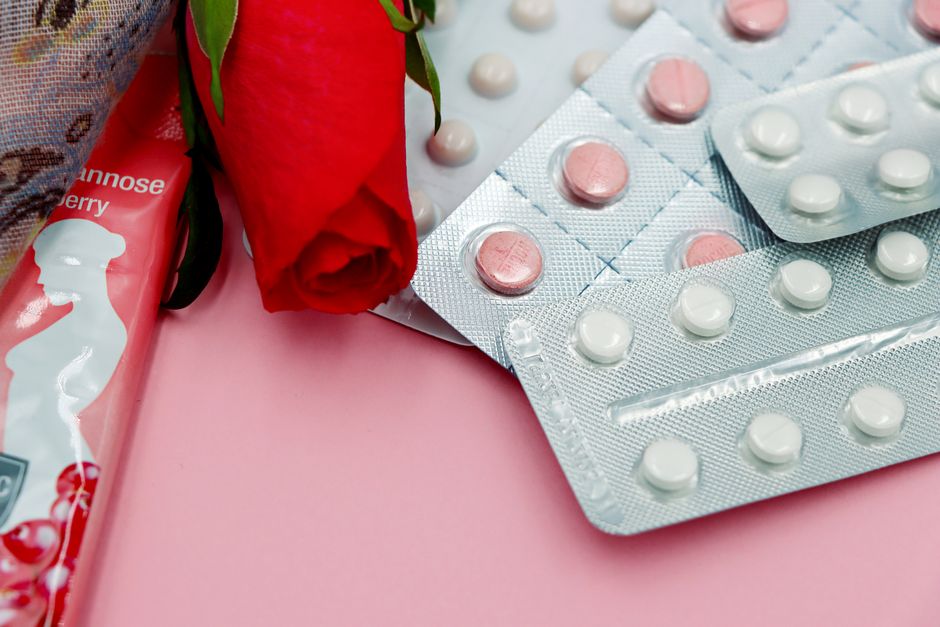
Birth control pills prevent pregnancy primarily by stopping ovulation. If no egg is released from the ovary, sperm has nothing to fertilize. The hormones in the pill also thicken cervical mucus, which makes it harder for sperm to swim toward the uterus, and they thin the uterine lining. These three actions work together to create a very effective barrier against pregnancy when the pill is taken correctly.
What Are The Main Types Of Birth Control Pills?
There are two main types of birth control pills: combination pills and progestin-only pills. The difference matters because they work in slightly different ways and have different rules for use.
Combination pills contain both estrogen and progestin. These are the most common type. They work mainly by stopping ovulation. The estrogen and progestin together signal the brain to stop releasing the hormones that trigger an egg to mature and be released.
Progestin-only pills, sometimes called the minipill, contain only progestin. They do not reliably stop ovulation for every person. Their main effect is thickening cervical mucus and thinning the uterine lining. Because they work differently, the timing rules are stricter. Missing a progestin-only pill by even a few hours can reduce effectiveness.
How Do The Hormones In The Pill Stop Ovulation?
Ovulation is controlled by a precise chain of hormonal signals. It starts in the brain. The hypothalamus releases gonadotropin-releasing hormone, which tells the pituitary gland to release two hormones: follicle-stimulating hormone and luteinizing hormone.
These hormones travel to the ovaries. Follicle-stimulating hormone causes a follicle to mature. The maturing follicle produces estrogen. A surge of luteinizing hormone then triggers the release of the mature egg. That surge is the final step in ovulation.
Birth control pills interrupt this chain. The synthetic estrogen and progestin in combination pills keep hormone levels steady. This steady level signals the pituitary gland to stop producing follicle-stimulating hormone and luteinizing hormone. Without the luteinizing hormone surge, ovulation cannot happen. No egg is released. Pregnancy cannot occur because there is nothing for sperm to fertilize.
This is the primary mechanism. It is well established in medical science and is the main reason combination pills are so effective.
What Other Changes Does The Pill Cause In The Body?
Ovulation suppression is not the only protective effect. The pill changes the reproductive tract in ways that make fertilization and implantation less likely.
Cervical mucus thickens. Normally, cervical mucus becomes thin and slippery around ovulation to help sperm travel. The progestin in birth control pills keeps the mucus thick and sticky. This thick mucus acts as a physical barrier. Sperm have difficulty swimming through it to reach the uterus and fallopian tubes.
The uterine lining thins. The endometrium, or uterine lining, normally thickens each cycle to prepare for a fertilized egg. The hormones in the pill keep this lining thin. Even if fertilization somehow occurred, a thin lining makes implantation less likely. This is a backup mechanism, not the primary one.
These secondary effects matter. They explain why the pill remains reasonably effective even in rare cases where ovulation breaks through.





How Effective Are Birth Control Pills In Real Life?
Effectiveness depends heavily on how consistently the pill is taken. There are two numbers to understand: perfect use and typical use.
With perfect use — taking the pill at the same time every day without missing any doses — combination pills are more than 99 percent effective. Fewer than 1 in 100 people who use them perfectly will become pregnant in a year.
With typical use, the number drops. Real life involves missed pills, late pills, vomiting, or diarrhea. Under typical use conditions, about 7 in 100 people become pregnant in the first year. This is not because the pill fails biologically. It fails because humans are not perfect at taking daily medication.
Progestin-only pills are slightly less forgiving. They require a stricter schedule. Taking them even three hours late can require backup contraception for 48 hours according to standard clinical guidance.
Some medications can also reduce pill effectiveness. Certain antibiotics, some seizure medications, and the herb St. John’s Wort can interfere with how the body processes the hormones. If you start any new medication while on the pill, ask a pharmacist or clinician about interactions.
What Happens If You Miss A Pill?
Missing a pill increases the risk of ovulation. The body may restart its normal hormonal cycle if hormone levels drop enough.
The standard advice for combination pills depends on how many pills were missed. If you miss one pill, take it as soon as you remember and take the next pill at the regular time. You may take two pills in one day. No backup contraception is needed if only one pill was missed.
If you miss two or more pills, the guidance changes. Take the most recent missed pill, skip the older missed ones, and use a backup method like condoms for at least 7 days. Some brands have specific instructions, so checking the package insert is always wise.
For progestin-only pills, the rule is stricter. If you are more than three hours late taking it, take the missed pill immediately and use backup contraception for the next 48 hours.
These are general clinical guidelines. Your specific prescription may have slightly different instructions based on the brand and hormone dose.
What Are The Common Side Effects Of Birth Control Pills?
Side effects are common in the first few months as the body adjusts to the hormones. Most resolve within three months.
Common side effects include:
- Nausea or upset stomach
- Breast tenderness
- Breakthrough bleeding or spotting between periods
- Headaches
- Mood changes
These effects are usually mild and temporary. Taking the pill with food or at bedtime can help with nausea. Breakthrough bleeding often decreases after the first few cycles.
Serious side effects are rare but real. Combination pills slightly increase the risk of blood clots, especially in people who smoke and are over 35. The risk is highest in the first year of use. Blood clots can travel to the lungs, which is a medical emergency.
Warning signs to seek care immediately include:
- Sudden severe headache or vision changes
- Chest pain or shortness of breath
- Leg pain or swelling, especially in one leg
- Severe abdominal pain
- Yellowing of the skin or eyes
These symptoms are rare but require prompt medical attention.
How Do Birth Control Pills Compare To Other Methods?
The pill is one option among many. It requires daily attention but offers user control and predictable periods. Other methods have different trade-offs.
Long-acting reversible contraceptives like intrauterine devices and implants are more effective than the pill because they remove the risk of user error. They are over 99 percent effective with typical use. They also last for years without daily action.
The birth control shot is given every three months. It is highly effective but requires clinic visits. Some people experience weight gain and delayed return to fertility after stopping.
Condoms are less effective at preventing pregnancy than hormonal methods but are the only option that also protects against sexually transmitted infections.
The right method depends on your lifestyle, health history, and preferences. A clinician can help weigh the options based on your specific situation.
Frequently Asked Questions
How soon do birth control pills start working?
If you start combination pills within the first five days of your period, you are protected immediately. If you start at any other time, you need 7 days of backup contraception.
Can birth control pills make you gain weight?
Research on this is mixed, and most studies find no clear link for modern low-dose pills. Some people do notice fluid retention or appetite changes, but significant weight gain is not a proven effect for most users.
Do birth control pills affect fertility long term?
No. Normal fertility returns quickly after stopping the pill, usually within one to three months. The pill does not damage the ovaries or permanently affect your ability to conceive.
Can you get pregnant while on the pill?
Yes, but it is rare with correct use. Typical use failure rates are about 7 percent per year, mostly due to missed pills or medication interactions.
