
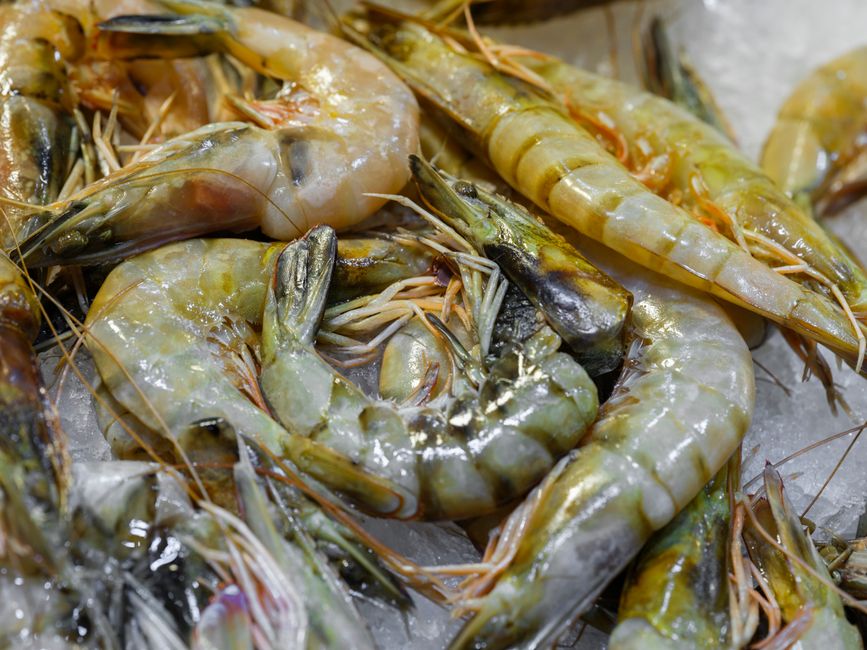
Shrimp is an excellent source of high-quality protein. A 3-ounce serving provides about 20 grams of protein with very little fat. It is one of the most protein-dense foods you can eat, and it contains all the essential amino acids your body needs. For most people, shrimp is a healthy and efficient way to meet daily protein requirements.
How Much Protein Is in Shrimp Compared to Other Meats?
Shrimp packs a surprising amount of protein for its size and calorie count. A standard 3-ounce serving of cooked shrimp gives you roughly 20 grams of protein. That is the same amount you get from a 3-ounce chicken breast or a 3-ounce piece of lean beef.
The difference is calories. Shrimp has about 84 calories per serving. Chicken breast has about 140 calories, and beef has around 180 calories for the same protein amount. Shrimp delivers the same protein with fewer calories than almost any other animal protein source.
Here is a quick comparison of common protein sources per 3-ounce cooked serving:
| Food | Protein (grams) | Calories | Fat (grams) |
|---|---|---|---|
| Shrimp | 20 | 84 | 0.5 |
| Chicken breast | 20 | 140 | 3 |
| Lean beef sirloin | 20 | 180 | 8 |
| Salmon | 19 | 175 | 10 |
| Eggs (2 large) | 12 | 140 | 10 |
Shrimp is not just a protein source. It is one of the leanest ones available. If you are watching your calorie intake or trying to reduce fat, shrimp is a strong choice.
Is Shrimp a Complete Protein?
Yes, shrimp is a complete protein. This means it contains all nine essential amino acids that your body cannot make on its own. You must get these amino acids from food, and shrimp provides them in the right balance.
Many plant proteins are incomplete. They lack one or more essential amino acids. Shrimp, like other animal proteins, has no such gaps. A single serving gives you everything your muscles need for repair and growth.
Research published in the Journal of Food Composition and Analysis confirms that shrimp protein has a high digestibility score. Your body can absorb and use nearly all of the protein you eat from shrimp. That is not true for all protein sources. Some plant proteins are harder to digest fully.
What About the Cholesterol in Shrimp?
Shrimp is high in dietary cholesterol. A 3-ounce serving contains about 180 milligrams. For years, health experts warned people to avoid shrimp because of this.
The science has changed. The 2015-2020 Dietary Guidelines for Americans removed the previous limit on dietary cholesterol. Research now shows that saturated fat in your diet affects blood cholesterol more than the cholesterol you eat. Shrimp is very low in saturated fat — less than 0.5 grams per serving.
Several studies, including one in the American Journal of Clinical Nutrition, found that eating shrimp daily did not raise harmful LDL cholesterol in most people. It did raise HDL, the “good” cholesterol, in some cases. For the vast majority of people, dietary cholesterol from shrimp is not a concern.
If you have a genetic condition like familial hypercholesterolemia, talk to your doctor. For everyone else, shrimp is fine. The cholesterol worry was based on outdated science.




Is Shrimp Good Protein for Weight Loss?
Shrimp is very good for weight loss. The protein-to-calorie ratio is hard to beat. You get 20 grams of protein for only 84 calories. That is more protein per calorie than chicken, beef, or pork.
Protein helps you feel full. Studies have found that high-protein meals reduce hunger hormones and increase feelings of fullness. Shrimp provides that benefit with almost no fat or carbs. It fits easily into low-calorie and low-carb eating plans.
There is one catch. How you cook shrimp matters more than with other meats. Shrimp absorbs flavors and cooking fats easily. If you deep-fry it or drench it in butter, you add many calories. A 3-ounce serving of fried shrimp can have over 200 calories and 10 grams of fat. That changes the math completely.
The best cooking methods for weight loss are boiling, steaming, grilling, or sautéing with minimal oil. Season with spices, lemon, or herbs instead of heavy sauces.
What Are the Risks of Eating Shrimp?
Shrimp is safe for most people, but there are real risks to know.
Allergies are common. Shellfish allergy is one of the most common food allergies in adults. It affects about 2% of the US population. Reactions can range from mild itching to life-threatening anaphylaxis. If you have never eaten shrimp before, start with a small amount.
Sodium content is high. A 3-ounce serving of cooked shrimp has about 800 milligrams of sodium. That is about one-third of the daily recommended limit for most adults. The sodium comes from the shrimp itself and from processing. Farmed shrimp often has more added sodium than wild-caught shrimp.
If you have high blood pressure or heart disease, this matters. Rinsing shrimp before cooking can reduce some surface sodium. Buying raw, unprocessed shrimp and cooking it yourself gives you more control.
Mercury is very low. Shrimp is one of the seafoods lowest in mercury. The FDA lists shrimp as a “best choice” for pregnant women and children. You can safely eat 2 to 3 servings per week without mercury concerns. This is not true for larger fish like tuna or swordfish.
What to Avoid When Buying Shrimp
Not all shrimp is the same. The way it is raised, processed, and stored affects both nutrition and safety.
Avoid imported shrimp from unregulated sources. About 90% of shrimp sold in the US is imported, mostly from Southeast Asia. Some of this shrimp is raised in conditions that use antibiotics banned in the US. Reports from the FDA have found antibiotic residues in imported shrimp samples. Wild-caught US shrimp or shrimp from Canada is generally a safer choice.
Avoid pre-cooked shrimp with added preservatives. Many pre-cooked shrimp products contain sodium tripolyphosphate. This chemical helps the shrimp retain water and look plump. It also adds sodium and can give shrimp a rubbery texture. Read the ingredient list. The best shrimp has only one ingredient: shrimp.
Avoid shrimp with a strong ammonia smell. Fresh shrimp should smell like the ocean or have almost no smell. A strong ammonia or fishy odor means the shrimp is old or improperly stored. Do not eat it.
What to look for instead: Buy raw, wild-caught US shrimp when possible. Look for shrimp that is firm, translucent, and has no discoloration. Frozen shrimp is often fresher than “fresh” shrimp at the counter because it is frozen immediately after catching.
Common Misconceptions About Shrimp Protein
Several myths about shrimp keep people from eating it. They are not based on current evidence.
Myth: Shrimp is bad for your heart because of cholesterol. As explained above, dietary cholesterol has a small effect on blood cholesterol for most people. The American Heart Association includes shrimp as part of a heart-healthy diet. Saturated fat and trans fat are the real dietary culprits for heart disease. Shrimp has almost none of either.
Myth: Farmed shrimp has no nutritional value. Farmed shrimp has slightly less protein than wild-caught shrimp, about 18 grams versus 20 grams per serving. It still provides high-quality protein. The bigger concern with farmed shrimp is antibiotic use and environmental impact, not nutrition.
Myth: You can only eat shrimp once a week. The FDA and EPA say you can eat 2 to 3 servings of shrimp per week as part of a healthy diet. Because shrimp is low in mercury, it is safer to eat more often than many other seafoods. Pregnant women and children can eat up to 12 ounces per week from the “best choices” list, which includes shrimp.
Myth: Shrimp protein is lower quality than beef or chicken. This is false. Shrimp protein is complete, highly digestible, and contains all essential amino acids. The biological value of shrimp protein is comparable to eggs and dairy. It is not a second-class protein.
Frequently Asked Questions
Is shrimp a good source of protein for building muscle?
Yes, shrimp is excellent for muscle building because it provides 20 grams of complete protein per serving with very little fat.
How much protein is in 100 grams of shrimp?
100 grams of cooked shrimp contains about 24 grams of protein and roughly 100 calories.
Is it safe to eat shrimp every day?
For most people, eating shrimp daily is safe if you watch your sodium intake and choose wild-caught or responsibly farmed shrimp.
Does shrimp have more protein than chicken?
Shrimp and chicken have almost identical protein content per serving, but shrimp has fewer calories and less fat.
