
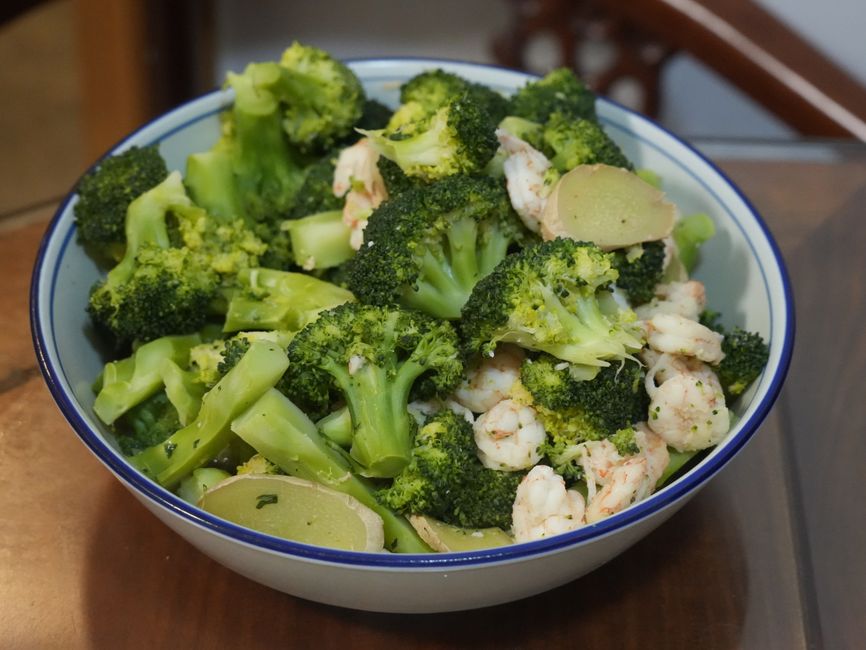
Shrimp is a protein food. A 3-ounce cooked serving delivers roughly 18 to 20 grams of protein and only about 1 gram of carbohydrate. That single fact settles the main question, but the details behind it matter if you are tracking macros, managing blood sugar, or watching your cholesterol.
Shrimp belongs to the shellfish group, alongside crab, lobster, clams, and mussels. Nutritionally, it behaves much more like a lean meat than like a grain, bean, or starchy vegetable. Almost none of its calories come from carbohydrate.
Is Shrimp A Carb Or Protein Nutrition Explained
Shrimp is a protein-dominant food with essentially no carbohydrate. The protein content is high relative to its weight, and the fat content is low. That combination makes it one of the leanest animal proteins available.
Here is a rough nutrient snapshot for a 3-ounce (85-gram) serving of cooked shrimp, based on standard USDA nutrient data:
| Nutrient | Amount per 3 oz cooked |
|---|---|
| Protein | About 18–20 g |
| Carbohydrate | About 1 g |
| Fat | About 1–2 g |
| Calories | About 85–100 |
| Cholesterol | About 150–190 mg |
The exact numbers shift a little depending on how the shrimp is cooked and whether it is breaded or served in sauce. Plain boiled, steamed, or grilled shrimp keeps the carbohydrate count near zero. Breaded or battered shrimp is a different food entirely, because the coating adds starch and oil.
One clarification worth making: shrimp does contain a small amount of glycogen, a storage form of carbohydrate found in animal tissue. That is why the carb count is not a perfect zero. But at around 1 gram per serving, it is nutritionally negligible for almost anyone.
How Much Protein Is In Shrimp Compared To Other Foods?
Shrimp holds its own against most common protein sources. Per gram of weight, it is close to chicken breast and higher than many plant proteins.
For context, a 3-ounce cooked serving of skinless chicken breast contains roughly 22 to 26 grams of protein. The same amount of cooked shrimp lands around 18 to 20 grams. Both are lean, high-protein choices. Shrimp edges ahead on calories in some comparisons because it carries so little fat.
Compared with plant proteins, the gap is larger. A half-cup of cooked lentils provides about 9 grams of protein and roughly 20 grams of carbohydrate. A 3-ounce serving of tofu offers about 8 grams of protein. Shrimp delivers more protein per bite and almost no carbohydrate.
That does not make shrimp “better” than lentils or tofu. Plant proteins bring fiber and other nutrients that shrimp does not. The point is simply that shrimp is a concentrated protein source, not a carbohydrate source.
Does Shrimp Have Any Carbohydrates At All?
Yes, but the amount is tiny. Cooked shrimp contains around 1 gram of carbohydrate per 3-ounce serving. That is close to the practical floor for any whole food.
For comparison, a single slice of bread has roughly 12 to 15 grams of carbohydrate. A medium apple has about 25 grams. A cup of cooked white rice has around 45 grams. Shrimp sits far below all of these.
This matters most for people managing blood sugar or following a low-carbohydrate eating pattern. A food with 1 gram of carbohydrate per serving will have a minimal effect on blood glucose on its own. The bigger question is usually what the shrimp is served with — rice, pasta, breading, or a sugary sauce can change the carb total dramatically.
If you are counting carbs, the shrimp itself is rarely the issue. The plate around it usually is.





Is Shrimp Good For A Low-Carb Or High-Protein Diet?
Shrimp fits low-carbohydrate and high-protein eating patterns well. It provides a large share of its calories from protein, which is the goal of most high-protein diets.
Protein has a few practical advantages in this context. It takes longer to digest than carbohydrate, and it tends to promote fullness. Research consistently shows that protein is the most satiating of the three macronutrients. That does not mean shrimp specifically causes weight loss — no single food does — but it does make shrimp a useful building block in a higher-protein meal.
Shrimp also cooks fast, which matters for people who want a quick protein without processed ingredients. It carries no added sugar, no refined starch, and no fillers when prepared plain.
The catch is preparation. Fried shrimp, shrimp in sweet sauces, and shrimp with heavy breading can carry more carbohydrate than the shrimp itself. A plate of coconut shrimp with a sweet dipping sauce may contain 20 to 30 grams of carbohydrate or more. That is the coating and the sauce, not the shrimp.
What About Cholesterol And Saturated Fat In Shrimp?
Shrimp is low in fat and saturated fat but relatively high in dietary cholesterol. A 3-ounce serving contains roughly 150 to 190 milligrams of cholesterol.
For years, shrimp was flagged as a food to limit because of that cholesterol content. The picture has shifted. Current understanding, reflected in major dietary guidance, is that dietary cholesterol has a smaller effect on blood cholesterol for most people than saturated fat and trans fat do. Shrimp is low in both saturated and trans fat.
That said, the response to dietary cholesterol varies from person to person. Some people are more sensitive to cholesterol in food than others. If you have high blood cholesterol or a history of heart disease, this is a conversation to have with your doctor rather than a decision to make from a single article.
The evidence here is more nuanced than headlines suggest. Shrimp is not the dietary villain it was once made out to be, but it is also not a food that has been shown to lower heart disease risk. The honest position is that plain shrimp can fit into most eating patterns, and individual medical guidance should come from a clinician who knows your history.
Does Shrimp Have Any Other Nutrients Worth Knowing?
Shrimp brings more to the table than protein. It contains several micronutrients that are easy to overlook in a food this low in calories.
- Selenium — a mineral involved in thyroid function and antioxidant defense
- Vitamin B12 — needed for nerve function and red blood cell formation
- Iodine — supports thyroid hormone production
- Astaxanthin — a carotenoid that gives cooked shrimp its pink color and acts as an antioxidant
- Omega-3 fatty acids — present in smaller amounts than in fatty fish like salmon
The astaxanthin point is worth a brief note. It is the pigment responsible for the color change when shrimp cooks, and it is a genuine antioxidant. Whether the amounts in a typical serving produce meaningful health effects in humans is not well established. It is a real compound, but the clinical evidence for specific benefits is limited.
Shrimp is also a source of iodine, which is relevant because iodine intake matters for thyroid health. People with thyroid conditions who are advised to watch iodine should mention shrimp intake to their doctor.
How Should You Think About Shrimp In Your Diet?
Treat shrimp as a lean protein, not a carbohydrate. That framing answers most practical questions about where it fits.
If you are tracking macros, count shrimp toward your protein target and barely toward your carbs. If you are managing blood sugar, plain shrimp is unlikely to move your glucose much on its own. If you are watching saturated fat, shrimp is a reasonable choice. If you are watching dietary cholesterol specifically, check with your doctor about how much fits your situation.
The preparation matters as much as the food. Plain shrimp and breaded shrimp are nutritionally different foods. Read labels on frozen and pre-cooked products, since some are packed with added sodium or glazes.
Shrimp is not a miracle food and it is not a risk food for most people. It is a convenient, lean, high-protein option with almost no carbohydrate. That is the whole story, and it is a useful one.
Frequently Asked Questions
Is shrimp a carb or a protein?
Shrimp is a protein food. A 3-ounce cooked serving provides roughly 18 to 20 grams of protein and only about 1 gram of carbohydrate.
How many carbs are in shrimp?
Plain cooked shrimp contains about 1 gram of carbohydrate per 3-ounce serving. Breaded or sauced shrimp can contain far more because of the coating and added sugars.
Is shrimp good for a low-carb diet?
Yes, plain shrimp fits low-carbohydrate eating patterns well because it is high in protein and very low in carbohydrate. Watch the preparation, since breading and sweet sauces add carbs.
Is shrimp high in cholesterol?
Shrimp is relatively high in dietary cholesterol, at roughly 150 to 190 milligrams per 3-ounce serving, but it is low in saturated fat. Current guidance places more emphasis on saturated and trans fat than on dietary cholesterol for most people, though individual response varies.
