
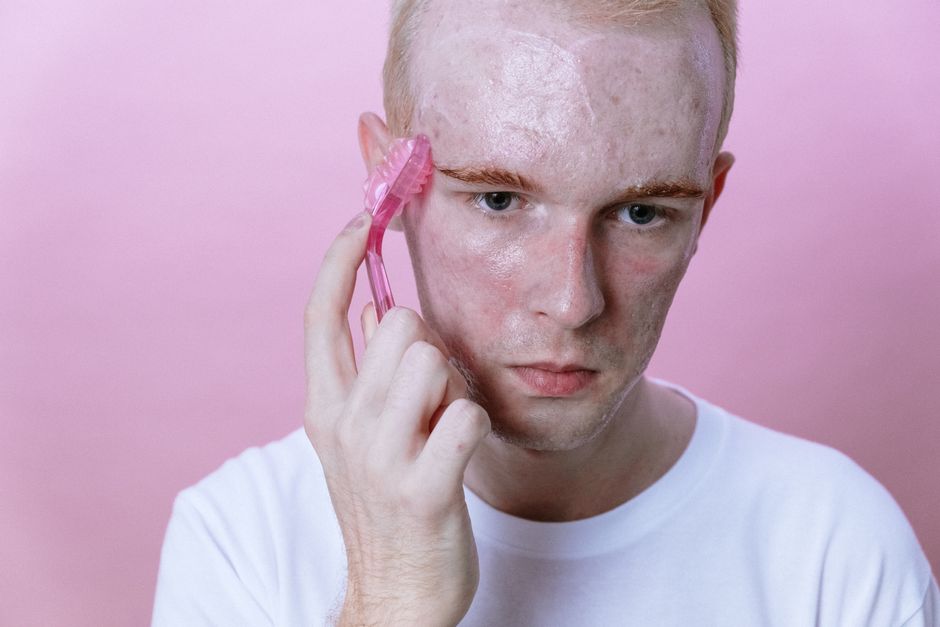
If you have acne scars or dark spots, you have probably seen salicylic acid in cleansers, toners, and spot treatments. The short answer is yes, salicylic acid can help with certain types of acne scars and dark spots, but it is not a cure for deep scars. It works best on post-acne dark marks and shallow depressed scars. For deep scars, you will likely need a different approach.
What Does Salicylic Acid Actually Do To Your Skin?
Salicylic acid is a beta hydroxy acid, often shortened to BHA. It is oil-soluble. That matters because your skin produces sebum, an oily substance that can clog pores. Since salicylic acid dissolves in oil, it can penetrate into the pore and clear out the buildup.
It works as an exfoliant. It loosens the bonds between dead skin cells on the surface of your skin. When those cells shed, newer skin underneath is revealed. This process is called exfoliation. Regular exfoliation keeps pores clear and evens out skin texture.
Salicylic acid also has mild anti-inflammatory properties. This makes it useful for active acne, especially red, swollen pimples. It is less irritating than some other acne treatments, which is why it is so common in over-the-counter products.
Can Salicylic Acid Fade Dark Spots?
Dark spots after acne are usually post-inflammatory hyperpigmentation, or PIH. This happens when your skin produces extra melanin in response to inflammation from a pimple. The result is a flat, brown, or red mark that lingers after the acne clears.
Salicylic acid can help fade these marks, but it does so indirectly. By speeding up cell turnover, it helps shed the pigmented skin cells faster. This gradually fades the dark spot over time. It is not the fastest or strongest treatment for hyperpigmentation, but it is effective for mild cases.
Other ingredients are often more powerful for dark spots. Hydroquinone, retinoids, vitamin C, and azelaic acid target pigment production more directly. Some dermatologists recommend combining salicylic acid with one of these for better results. The salicylic acid clears the surface while the other ingredient works deeper.
Do not expect overnight results. Fading a dark spot takes weeks or months. The mark will lighten gradually as your skin renews itself. Consistent use matters more than using a higher strength product.
Does Salicylic Acid Help With Acne Scars?
This depends entirely on the type of scar you have. Acne scars fall into two broad categories: depressed scars and raised scars. Depressed scars sit below the surrounding skin. Raised scars, called hypertrophic or keloid scars, sit above it.
Salicylic acid is not effective for deep depressed scars. These scars, which look like ice picks, boxcars, or rolling indentations, involve a loss of collagen in the dermis. Exfoliating the surface of the skin cannot rebuild that lost tissue. No topical product can significantly improve deep depressed scars.
Shallow depressed scars may improve slightly. Mild textural changes from acne can soften with regular exfoliation. The skin looks smoother because the top layers are more even. But this improvement is modest. It will not make a noticeable indentation disappear.
Raised scars respond differently. Salicylic acid can help flatten raised scars by exfoliating the thickened layers. It is sometimes used for this purpose, though stronger treatments like corticosteroid injections are more common for keloids.





How Does Salicylic Acid Compare To Other Acne Scar Treatments?
For real scar improvement, dermatologists offer treatments that go deeper than any topical product. Chemical peels using higher concentrations of salicylic acid or other acids can resurface the skin. Microneedling creates tiny wounds that stimulate collagen production. Laser resurfacing removes damaged layers of skin.
These treatments work on the dermis, not just the epidermis. They can actually build new collagen and fill in depressed scars. Salicylic acid you buy at the drugstore only works on the surface. That is the core difference.
Here is a quick comparison of common scar treatments:
| Treatment | How It Works | Best For |
|---|---|---|
| Salicylic acid (OTC) | Exfoliates skin surface | Dark spots, mild texture issues |
| Chemical peels | Removes multiple skin layers | Shallow scars, dark spots |
| Microneedling | Stimulates collagen production | Depressed scars |
| Laser resurfacing | Removes and rebuilds skin layers | Deep scars, severe texture |
| Dermal fillers | Lifts the scar base | Deep rolling scars |
Notice that salicylic acid appears only for mild concerns. If your scars are deep or extensive, talk to a dermatologist about procedures. Topical products will not fix them.
What Strength Of Salicylic Acid Should You Use?
Over-the-counter products typically contain 0.5% to 2% salicylic acid. The 2% concentration is the most common and the maximum allowed in non-prescription products. It is effective for most people with mild to moderate acne and dark spots.
Higher concentrations exist but require a prescription or professional application. Dermatologists use 20% to 30% salicylic acid in chemical peels. These are done in a clinic, not at home. Attempting to use high concentrations yourself can cause chemical burns.
Start with a lower concentration if you have sensitive skin. Use it every other day at first. Watch how your skin reacts. If you see excessive redness, peeling, or stinging, reduce the frequency. Salicylic acid is generally safe, but it can dry out your skin if overused.
Follow the product instructions. Do not combine multiple salicylic acid products at the same time. Using a cleanser, toner, and moisturizer all containing salicylic acid can overload your skin. One product, used consistently, is usually enough.
Are There Any Side Effects Or Risks?
Salicylic acid is well tolerated by most people, but side effects do occur. The most common are dryness, peeling, redness, and mild stinging. These are usually mild and resolve as your skin adjusts.
People with aspirin allergy should avoid salicylic acid. It is chemically related to aspirin and can trigger an allergic reaction. If you have ever had a reaction to aspirin, check with a doctor before using any salicylic acid product.
Pregnant women should be cautious. High-dose salicylic acid applied to large areas of skin is not recommended during pregnancy. Low-concentration topical products are generally considered safe, but you should confirm with your obstetrician before use.
Do not use salicylic acid on broken or sunburned skin. It will sting and may increase irritation. Wait until the skin heals before resuming use.
How Long Until You See Results?
Results take time. You may notice smoother skin within a few weeks of regular use. Dark spots take longer to fade. Expect at least 8 to 12 weeks of consistent use before you see meaningful lightening.
Acne improvement can be faster. Some people see fewer breakouts within 4 to 6 weeks. Salicylic acid does not prevent acne overnight. It works by keeping pores clear over time.
The critical factor is consistency. Using salicylic acid once a week will not produce results. Use it as directed, most often daily or every other day. Missed applications slow your progress.
If you see no improvement after 12 weeks, consider other options. Your skin may not respond well to salicylic acid. Or your scarring may be too deep for topical treatment. A dermatologist can assess your skin and recommend alternatives.
Should You Combine Salicylic Acid With Other Ingredients?
Combining salicylic acid with other active ingredients can improve results, but it must be done carefully. Using too many actives at once irritates the skin. Irritation can actually worsen dark spots because inflammation triggers more pigment production.
Niacinamide pairs well with salicylic acid. It is soothing and helps brighten dark spots through a different mechanism. Many products contain both ingredients together. This combination is generally well tolerated.
Retinoids are powerful but can be irritating when combined with salicylic acid. Some dermatologists recommend using one in the morning and the other at night. Others suggest alternating days. Do not start both at the same time. Introduce one, let your skin adjust, then add the other.
Vitamin C is another option for dark spots. It is an antioxidant that inhibits melanin production. It can be used alongside salicylic acid, but again, introduce it slowly. Watch for irritation.
Moisturizer is non-negotiable. Salicylic acid dries the skin. A good moisturizer keeps the skin barrier healthy. A damaged barrier makes every other problem worse.
Frequently Asked Questions
Can salicylic acid remove acne scars completely?
No, salicylic acid cannot remove deep acne scars. It can improve skin texture and fade dark spots, but depressed scars require professional treatments like microneedling or lasers.
Is salicylic acid or glycolic acid better for dark spots?
Glycolic acid is generally more effective for dark spots because it penetrates deeper and exfoliates more aggressively. Salicylic acid is better for oily, acne-prone skin and active breakouts.
How often should I use salicylic acid for dark spots?
Most people can use a 2% salicylic acid product once daily. If your skin gets dry or irritated, reduce to every other day until your skin adjusts.
Can I use salicylic acid with vitamin C for dark spots?
Yes, but introduce them slowly to avoid irritation. Some dermatologists recommend using vitamin C in the morning and salicylic acid at night.
Salicylic acid is a useful tool for acne and mild dark spots. It keeps pores clear, smooths skin texture, and gradually fades pigmentation. It is not a solution for deep scars. For those, you need professional treatment. If you are unsure about your scar type, see a dermatologist. An accurate diagnosis is the first step to effective treatment.
