
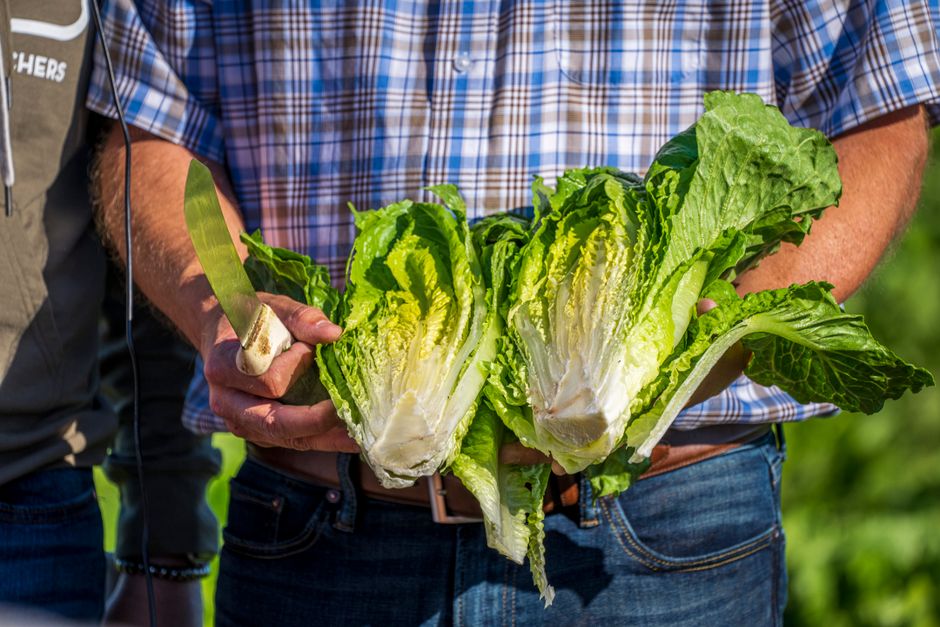
Yes, romaine lettuce is healthy for you. It is low in calories and provides a good amount of vitamin A, vitamin K, and folate. A two-cup serving has only about 16 calories but delivers over 80% of your daily vitamin K needs. It also contains some fiber and water, which can help with hydration and digestion. But like any single food, it is not a magic bullet. Its health value depends on how it fits into your overall diet.
What Nutrients Does Romaine Lettuce Actually Provide?
Romaine lettuce is often thought of as just water and crunch. That is not wrong — it is about 95% water. But it also contains real nutrients in meaningful amounts.
One cup of shredded romaine (about 47 grams) provides roughly:
- 8 calories
- 1 gram of fiber
- 82% of the daily value for vitamin K
- 43% of the daily value for vitamin A
- 16% of the daily value for folate
- Small amounts of vitamin C, iron, and potassium
Vitamin K is important for blood clotting and bone health. Vitamin A supports vision and immune function. Folate is critical for cell growth and is especially important during pregnancy.
Romaine also contains small amounts of beta-carotene and lutein. These are antioxidants that may help protect your eyes from damage over time. The levels are not as high as in dark leafy greens like spinach or kale, but they are still meaningful if you eat romaine regularly.
Is Romaine Lettuce Better for You Than Iceberg Lettuce?
This is the most common comparison people make. The short answer is yes, romaine is more nutrient-dense than iceberg. But the difference is not as dramatic as some articles claim.
Iceberg lettuce is mostly water and contains very small amounts of vitamins. A cup of iceberg has about 10 calories, 7% of your daily vitamin K, and 3% of your daily vitamin A. Romaine has roughly ten times the vitamin A and over ten times the vitamin K per serving.
That said, iceberg is not “bad” for you. It adds crunch and volume to meals with almost no calories. If you enjoy iceberg and it helps you eat more vegetables, it is fine. But if you want more nutrients per bite, romaine is the better choice.
Neither lettuce is a replacement for darker greens like spinach or kale when it comes to iron, calcium, or antioxidants. Romaine sits in the middle — better than iceberg, not as dense as spinach.
Does Romaine Lettuce Help With Weight Loss?
Romaine lettuce can be helpful for weight management, but not because it burns fat or speeds up metabolism. No food does that on its own.
What romaine does well is add volume to meals without adding many calories. A large salad with romaine as the base can fill your stomach and help you feel full before you eat higher-calorie foods. The water and fiber content both contribute to this effect. Research published in the journal Appetite found that eating a low-calorie, high-volume starter like a salad reduced total calorie intake during the meal.
The key is what you put on the salad. Romaine itself is low in calories. But if you add heavy dressing, cheese, croutons, and fried toppings, the calorie count can climb quickly. A salad with romaine and ranch dressing can have more calories than a cheeseburger if you are not careful.
For weight loss, romaine works best as a vehicle for vegetables and lean protein. Think of it as the base, not the main event.




Is Romaine Lettuce Safe to Eat Raw?
Yes, romaine lettuce is safe to eat raw for most people. But it has been linked to several foodborne illness outbreaks in the United States over the past decade. The CDC has investigated multiple outbreaks of E. coli O157:H7 linked to romaine lettuce grown in the Salinas Valley and Yuma growing regions.
These outbreaks are rare relative to how much romaine is eaten. But they get attention because they can cause serious illness, especially in young children, older adults, and people with weakened immune systems.
To reduce risk, the FDA recommends buying whole heads of romaine rather than pre-chopped bags. Whole heads are less likely to have been handled and processed in ways that spread bacteria. You should also wash the leaves thoroughly under running water even if the package says pre-washed. No washing method removes all risk, but it helps.
If you are in a high-risk group, you may want to cook romaine or avoid it during active outbreaks. Cooking kills the bacteria. Grilled romaine has become popular and is a safe alternative.
What Are the Downsides of Eating Romaine Lettuce?
Romaine lettuce is generally safe and healthy, but there are a few things to know.
First, it contains very little protein and almost no fat. If you eat a salad as a full meal, you need to add a protein source like chicken, beans, or tofu. Otherwise, you may feel hungry again quickly.
Second, romaine is one of the vegetables most likely to carry pesticide residues, according to the Environmental Working Group’s annual report. The levels are still within legal safety limits set by the EPA. But if you are concerned, buying organic romaine is an option. Organic does not eliminate all risk, but it reduces exposure to synthetic pesticides.
Third, the high vitamin K content can interfere with blood-thinning medications like warfarin (Coumadin). If you take these medications, you do not need to avoid romaine entirely. But you should keep your intake consistent so your doctor can manage your dosage. Sudden large increases or decreases in vitamin K intake can affect how the medication works.
How Does Romaine Lettuce Compare to Other Leafy Greens?
Here is a quick comparison of nutrients in one cup of raw, chopped greens. Values are approximate and based on USDA data.
| Green | Calories | Vitamin A (%DV) | Vitamin K (%DV) | Folate (%DV) |
|---|---|---|---|---|
| Romaine lettuce | 8 | 43% | 82% | 16% |
| Iceberg lettuce | 10 | 3% | 7% | 4% |
| Spinach | 7 | 56% | 121% | 15% |
| Kale | 8 | 49% | 136% | 5% |
| Arugula | 5 | 12% | 21% | 10% |
Romaine is not the most nutrient-dense option on this list. Spinach and kale have more vitamin K and comparable vitamin A. But romaine has a milder flavor and a crunchier texture that many people prefer. If the choice is between romaine and no greens at all, romaine wins every time.
The best approach is variety. Use romaine as your everyday base and mix in darker greens when you can. That gives you the texture you like plus the broader nutrient profile.
Common Misconceptions About Romaine Lettuce
One common myth is that romaine lettuce has no nutritional value. That is not true. It is not the most nutrient-dense food in the produce aisle, but it provides meaningful amounts of vitamins A and K, plus some fiber and folate.
Another myth is that all romaine lettuce is contaminated and unsafe to eat. The reality is that the vast majority of romaine sold in the U.S. is safe. Outbreaks happen, but they are rare. The CDC estimates that about 48 million people get sick from foodborne illness each year in the U.S. Romaine is linked to only a tiny fraction of those cases.
Some people also believe that romaine lettuce is a good source of iron. It is not. One cup provides less than 1% of your daily iron needs. If you are looking for plant-based iron, spinach, lentils, and fortified cereals are much better options.
Frequently Asked Questions
Is romaine lettuce healthier than spinach?
No, spinach is more nutrient-dense than romaine lettuce. Spinach has more iron, calcium, and vitamin K per serving.
Can romaine lettuce cause food poisoning?
Yes, romaine lettuce can carry harmful bacteria like E. coli. Washing it thoroughly reduces risk but does not eliminate it completely.
How much romaine lettuce should I eat per day?
There is no specific limit. Eating 2 to 3 cups per day as part of a balanced diet is safe and healthy for most people.
Does romaine lettuce have any protein?
Very little. One cup of romaine has less than 1 gram of protein. It should not be relied on as a protein source.
