
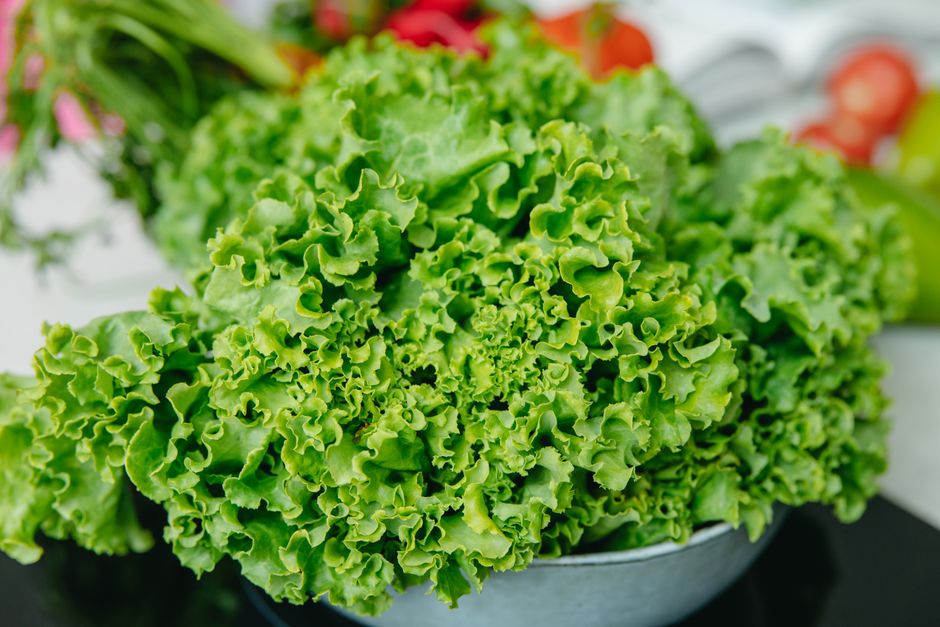
Lettuce can cause gas for some people, but it is not a common trigger. Most people digest lettuce without any problems. The gas happens because of a specific type of fiber called raffinose, which your body cannot fully break down. When undigested fiber reaches your large intestine, bacteria ferment it and produce gas. This process is normal and happens with many vegetables. For most people, the amount of gas from lettuce is small and barely noticeable. But for those with sensitive digestion, even a small amount can feel uncomfortable.
Raw vegetables are harder to digest than cooked ones. Lettuce is almost always eaten raw. That fact alone explains why some people notice gas after a salad. Your stomach has to work harder to break down raw plant cell walls. The fiber content in lettuce is low compared to other vegetables like broccoli or cabbage. But the raffinose content is still present. If you eat a large bowl of lettuce, the cumulative fiber and raffinose can add up. This is especially true if you eat it quickly without chewing thoroughly.
What Causes Gas After Eating Lettuce?
Gas after lettuce comes down to three main factors. The first is raffinose. Raffinose is a complex sugar found in beans, cabbage, Brussels sprouts, broccoli, and yes, lettuce. Humans lack the enzyme needed to break raffinose down in the small intestine. It passes into the large intestine intact. Bacteria there ferment it and release hydrogen, methane, and carbon dioxide gas. This is the same mechanism that gives beans their reputation for gas.
The second factor is fiber type. Lettuce contains mostly insoluble fiber. Insoluble fiber does not dissolve in water. It adds bulk to stool and speeds up transit time. For some people, this rapid movement can trap gas and cause bloating. The third factor is eating speed and chewing. When you eat a salad quickly, you swallow air along with the food. That swallowed air has to come out somewhere. Combined with fermentation gas from raffinose, the total gas volume can become noticeable.
Research published in the journal Gastroenterology has confirmed that raffinose is a well-documented gas producer across many foods. Lettuce contains less raffinose than beans or cabbage, but it is still present. The amount varies by lettuce type. Romaine lettuce has slightly more raffinose than iceberg. But even the highest lettuce is low compared to other vegetables.
Is Lettuce Worse for Gas Than Other Vegetables?
Lettuce is actually one of the least gassy vegetables you can eat. The table below shows how lettuce compares to common gas-producing vegetables. The raffinose content is measured in milligrams per 100 grams of raw vegetable.
| Vegetable | Raffinose Content (mg/100g) | Gas Potential |
|---|---|---|
| Iceberg lettuce | 15-25 | Low |
| Romaine lettuce | 20-35 | Low |
| Broccoli | 400-600 | High |
| Cabbage | 500-700 | High |
| Cauliflower | 300-500 | High |
| Green beans | 200-400 | Moderate |
As the table shows, lettuce contains roughly 20 times less raffinose than broccoli or cabbage. If you can eat a bowl of broccoli without gas, lettuce is almost certainly fine. If broccoli gives you problems, lettuce might still be okay because the dose is so much smaller. The CDC reports that most adults should eat 1.5 to 2 cups of leafy greens per week. That is a modest amount. Eating a large salad daily could push your fiber intake higher, but lettuce itself is rarely the sole cause of gas.
Some people report that iceberg lettuce causes more bloating than romaine. There is no strong evidence for this difference. Iceberg has slightly less fiber and slightly less raffinose. The perception may come from the fact that iceberg is often eaten in larger quantities. A typical wedge salad uses half a head of iceberg. That volume of any raw vegetable could cause gas in a sensitive person.
Does Lettuce Cause Gas in People With IBS?
People with irritable bowel syndrome (IBS) often worry about lettuce. The evidence is mixed. Some studies suggest that lettuce is well tolerated by most people with IBS. The Monash University FODMAP research group, which developed the low-FODMAP diet, classifies lettuce as low in fermentable carbohydrates. Both iceberg and romaine lettuce are considered safe on the low-FODMAP diet. This means they are unlikely to trigger the fermentation that causes gas in IBS.
However, individual tolerance varies widely. The American College of Gastroenterology notes that fiber can be a double-edged sword in IBS. Insoluble fiber from lettuce may help some people by regulating bowel movements. For others, the same fiber can worsen bloating and gas. If you have IBS, the key is portion size. A small handful of lettuce in a sandwich is unlikely to cause problems. A large salad bowl might. One controlled trial published in Clinical Gastroenterology and Hepatology found that IBS patients who ate low-FODMAP vegetables including lettuce reported significantly less gas than those eating a standard diet.
The real issue for many people with IBS is not the lettuce itself. It is what they put on the salad. Dressings with garlic, onion, or high-fructose corn syrup are common FODMAP triggers. Croutons add wheat. Cheese adds lactose. A salad that causes gas may have nothing to do with the lettuce. If you suspect lettuce is a problem, try eating it plain with only oil and salt for a few days. Then add back other ingredients one at a time to see what changes.




How Can You Reduce Gas From Lettuce?
If lettuce does cause gas for you, there are practical steps that work. The most effective is cooking the lettuce. Heat breaks down the cell walls and makes the fiber more digestible. Grilled romaine has become popular for a reason. The heat reduces raffinose content and softens the fiber. You can also sauté lettuce briefly in a pan with olive oil. Cooked lettuce has a different texture but is much gentler on digestion.
Chewing thoroughly is the second most important step. Saliva contains enzymes that begin breaking down carbohydrates. The longer you chew, the more surface area is exposed to these enzymes. Many people eat salads quickly without realizing how little they chew. Aim for 20 to 30 chews per bite. This alone can reduce gas significantly for some people.
Other strategies that some people report help:
- Start with small portions. Eat half a cup of lettuce instead of two cups. See how your body responds before increasing.
- Choose darker greens. Romaine and red leaf lettuce have more nutrients and slightly more fiber, but the difference in gas production is minimal.
- Avoid eating lettuce with other gas-producing foods in the same meal. Combining lettuce with beans, broccoli, or carbonated drinks increases total gas load.
- Try digestive enzymes that contain alpha-galactosidase. This enzyme breaks down raffinose. Products like Beano are designed for this purpose. Some people report they help with lettuce gas specifically.
- Drink water between bites. Water helps fiber move through the digestive tract and can reduce bloating.
There is no clinical evidence that any specific brand of lettuce is better or worse for gas. Organic lettuce versus conventional makes no difference in raffinose content. Pre-washed bagged lettuce versus whole heads also does not matter. The preparation and portion size are what count.
What Are Common Misconceptions About Lettuce and Gas?
One widespread myth is that lettuce ferments in the stomach and causes gas for hours. This is not accurate. Most digestion of lettuce happens in the small intestine. Fermentation of raffinose occurs in the large intestine, which is normal and happens with many foods. Lettuce does not sit in the stomach and rot. The stomach empties within one to two hours for most foods. If you feel bloated for four hours after eating lettuce, the cause is likely something else in the meal or a digestive condition like gastroparesis.
Another misconception is that washing lettuce more thoroughly removes the gas-causing compounds. Raffinose is inside the plant cells, not on the surface. Washing removes dirt, bacteria, and pesticide residue. It does not remove fiber or raffinose. The same applies to soaking lettuce in salt water or vinegar. These methods change taste and texture but do not reduce gas potential in any measurable way.
Some people claim that removing the core or ribs of romaine lettuce reduces gas. There is no evidence for this. The core contains slightly more fiber but the difference is negligible. If you remove the core, you are mostly reducing portion size. That is why it might help — less lettuce means less raffinose. The same effect can be achieved by simply eating less.
As of 2026, there is no clinical evidence that any specific lettuce variety is completely gas-free. All lettuces contain some raffinose. All produce some gas during normal digestion. The question is whether the amount is large enough for you to notice. For the vast majority of people, it is not.
Frequently Asked Questions
Does lettuce cause gas and bloating?
Lettuce can cause gas and bloating in some people due to its raffinose content, but the amount is very low compared to other vegetables. Most people experience no noticeable gas from lettuce.
Is lettuce bad for digestion?
Lettuce is generally good for digestion because it provides fiber that supports regular bowel movements. Raw lettuce may be harder to digest for people with sensitive stomachs.
What is the best lettuce for gas sensitive people?
Romaine and iceberg lettuce are both low in gas-producing compounds and well tolerated by most people. There is no strong evidence that one type causes significantly less gas than another.
Does cooked lettuce cause less gas than raw lettuce?
Yes, cooking lettuce breaks down cell walls and reduces raffinose content, making it easier to digest. Grilled or sautéed lettuce typically causes less gas than raw lettuce.
