
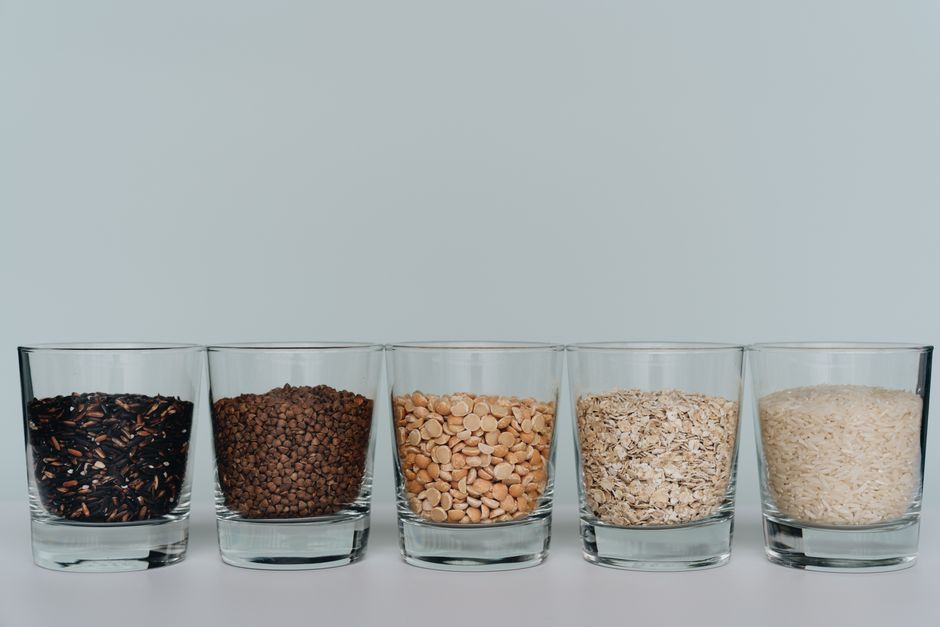
Rice is naturally gluten-free. All varieties of plain rice — white, brown, jasmine, basmati, wild, and black rice — come from grasses that do not contain the proteins found in wheat, barley, and rye. For people with celiac disease or gluten sensitivity, plain rice is a safe staple food. The confusion happens when rice is processed, flavored, or mixed with other grains. That is where the gluten risk actually lives.
What Is Gluten and Where Does It Come From?
Gluten is a group of storage proteins found in specific cereal grains. The main sources are wheat, barley, and rye. Some people also react to certain oat varieties due to cross-contamination during farming or processing.
These proteins give dough its stretchy, elastic texture. They help bread rise and hold its shape. Gluten is not present in rice, corn, quinoa, millet, or sorghum. Those grains contain different proteins that do not trigger the same immune response in people with celiac disease.
Rice belongs to the Oryza sativa species. It is botanically unrelated to wheat and other gluten-containing grains. The proteins in rice, called glutelins and prolamins, are structurally different from wheat gluten. This is why plain rice is universally accepted as safe on a gluten-free diet.
Is Rice Has Gluten in Processed Products?
Plain rice does not contain gluten. But rice-based products often do. The risk comes from additives, flavorings, and shared manufacturing equipment.
Rice cereals, rice pasta, rice crackers, and rice mixes can contain wheat flour, barley malt, or soy sauce made with wheat. Seasoned rice packets frequently include hydrolyzed wheat protein or maltodextrin derived from wheat. These ingredients introduce gluten even though the rice itself is safe.
Cross-contamination is another concern. Facilities that process both wheat and rice on shared lines can leave trace amounts of gluten on the rice. For most people without celiac disease, these trace amounts are not a problem. For people with celiac disease, even small amounts trigger intestinal damage.
Check labels carefully. Look for a gluten-free certification from a recognized organization. When in doubt, contact the manufacturer directly about their processing practices.
Is Rice Flour Gluten-Free?
Rice flour is gluten-free when it is made from 100% rice. White rice flour and brown rice flour are both safe options for gluten-free baking and cooking.
The problem is that rice flour is sometimes blended with wheat flour in commercial products. Bread mixes, pancake mixes, and baking flours labeled “rice flour” may actually contain wheat. Always read the ingredient list rather than relying on the product name.
Brown rice flour contains more fiber and nutrients than white rice flour because it retains the bran and germ. Both are gluten-free. The choice between them comes down to texture and nutritional goals, not gluten content.



Can People with Celiac Disease Eat Rice?
Yes. Rice is one of the most commonly recommended grains for people with celiac disease. It is well tolerated, widely available, and versatile.
Celiac disease is an autoimmune condition where eating gluten damages the small intestine. The only effective treatment is a strict lifelong gluten-free diet. Rice provides a safe source of carbohydrates for people managing this condition.
Some people worry about arsenic levels in rice. Rice absorbs more arsenic from soil and water than most other grains. The FDA has proposed guidance suggesting that consumers vary their grains and rinse rice thoroughly before cooking. This is a general health consideration, not a gluten concern.
For most people, eating a variety of gluten-free grains — including rice, quinoa, corn, and millet — is a sensible approach. This reduces any potential arsenic exposure while ensuring nutritional variety.
Is Rice Has Gluten Compared to Other Grains?
Rice stands apart from gluten-containing grains in one clear way. It is naturally free of the proteins that cause celiac disease reactions. Other common grains are not.
Here is a quick breakdown of common grains and their gluten status:
- Wheat — contains gluten. Includes spelt, farro, and durum.
- Barley — contains gluten. Often found in malt and beer.
- Rye — contains gluten. Common in certain breads and crackers.
- Oats — naturally gluten-free but often cross-contaminated. Choose certified gluten-free oats.
- Rice — naturally gluten-free. Safe in all plain forms.
- Corn — naturally gluten-free. Safe when not processed with wheat.
- Quinoa — naturally gluten-free. Safe and high in protein.
These distinctions matter for anyone reading food labels or planning meals. Knowing which grains are inherently safe simplifies the process of building a gluten-free diet.
What About Rice in Restaurants and Packaged Meals?
Restaurant rice dishes carry hidden gluten risks. Fried rice often contains soy sauce, which is traditionally brewed with wheat. Some restaurants use tamari or gluten-free soy sauce, but many do not.
Rice pilaf frequently includes orzo pasta, which is wheat-based. Rice stuffing may contain breadcrumbs. Even plain steamed rice can be contaminated if the same pot or scoop is used for wheat-containing dishes.
When dining out, ask specific questions. Ask whether the rice is cooked with broth, seasoning, or butter that might contain gluten. Ask whether the kitchen uses separate utensils for gluten-free orders. If the server seems unsure, choose a different option.
Packaged rice meals need the same scrutiny. Microwave rice pouches, rice bowls, and rice mixes often include sauces or seasonings with gluten. Read every ingredient label. Look for wheat, barley, rye, malt, and hydrolyzed vegetable protein in the ingredient list.
What Are the Symptoms of Gluten Exposure from Rice Products?
If you have celiac disease and accidentally eat a rice product containing gluten, symptoms typically appear within hours to a few days. Common symptoms include abdominal pain, bloating, diarrhea, fatigue, and nausea.
Some people experience symptoms outside the digestive tract. Headaches, brain fog, joint pain, and skin rashes can also occur. The severity varies widely from person to person.
If you have non-celiac gluten sensitivity, symptoms may be similar but less severe. The diagnostic distinction matters because celiac disease causes intestinal damage while non-celiac gluten sensitivity does not. If you suspect either condition, talk to a doctor before removing gluten from your diet. Testing for celiac disease requires that you are still eating gluten.
How to Choose Safe Rice Products
Start with whole grains. Buy plain rice in bulk or bags with only one ingredient. This eliminates most gluten risk immediately.
For processed rice products, follow these guidelines:
- Look for a gluten-free certification label from a recognized third party.
- Read the full ingredient list every time. Formulations change.
- Avoid products with ambiguous terms like “natural flavors” or “spices” unless certified gluten-free.
- Contact manufacturers about shared equipment if you have celiac disease.
- Choose certified gluten-free oats if you want to add variety to your grain rotation.
These steps take a few extra minutes but significantly reduce the risk of accidental gluten exposure. For people with celiac disease, the effort is essential. For others, it is simply good label-reading practice.
Does Cooking Rice Remove Gluten?
No. Cooking does not destroy gluten proteins. If rice is contaminated with wheat flour or another gluten source, rinsing and cooking will not make it safe.
Gluten proteins are heat-stable. They survive boiling, baking, and frying temperatures. This is why cooking methods cannot be used to “detoxify” gluten-containing foods.
Rinsing plain rice before cooking removes surface starch and improves texture, but it does not remove gluten contamination if present. The only way to ensure rice is gluten-free is to start with rice that has not been cross-contaminated and has not had gluten-containing ingredients added.
Is Rice Safe for Everyone on a Gluten-Free Diet?
Yes, with the caveats already discussed. Plain rice is safe for everyone avoiding gluten. Processed rice products require label verification.
Rice is also a good option for people who need a bland, easily digestible carbohydrate. It is low in fiber, which can be helpful during digestive flare-ups. Brown rice offers more fiber and nutrients but may be harder to digest for some people.
The broader point is that a gluten-free diet does not have to be restrictive. Rice, corn, quinoa, millet, buckwheat, amaranth, and certified gluten-free oats provide plenty of variety. The key is knowing which products are truly gluten-free and which are not.
Frequently Asked Questions
Does white rice contain gluten?
No. White rice is naturally gluten-free. It is safe for people with celiac disease and gluten sensitivity.
Can I eat rice on a gluten-free diet?
Yes. Plain rice and certified gluten-free rice products are safe on a gluten-free diet.
Is brown rice gluten-free?
Yes. Brown rice is naturally gluten-free. It only becomes a risk if processed or flavored with gluten-containing ingredients.
Why do some rice products say gluten-free on the label?
Manufacturers add this label to reassure consumers that the product was tested and contains less than 20 parts per million of gluten, the FDA threshold for gluten-free labeling.
Rice is one of the safest and most versatile grains for a gluten-free diet. The key is separating plain rice from processed rice products. Plain rice is reliably gluten-free. Processed rice requires label reading and caution. With those simple steps, rice can remain a staple in any gluten-free kitchen.
