
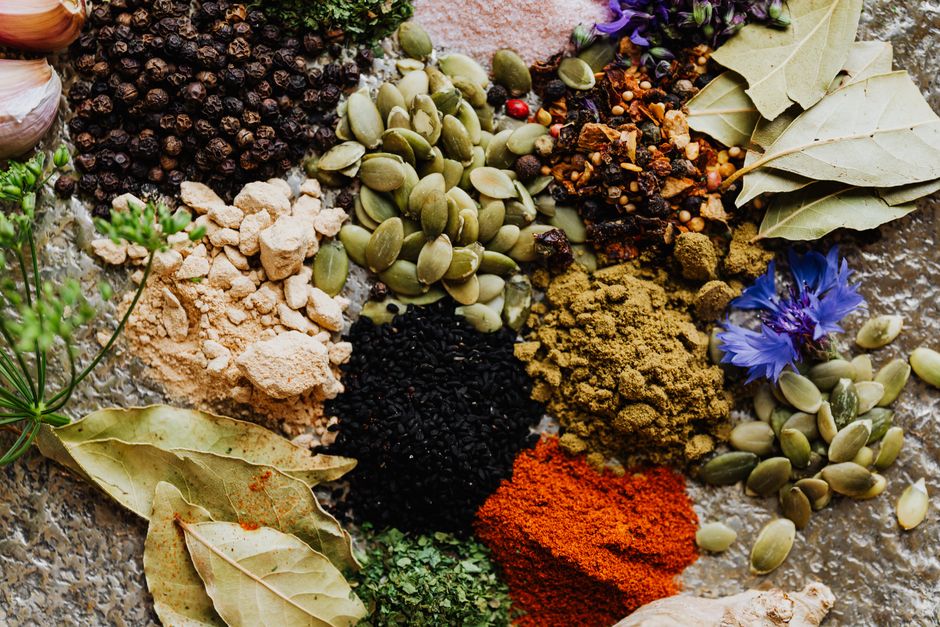
The Mediterranean diet is famous for its health benefits, but the spices are what make the food taste so good. The core spices in Mediterranean cooking are oregano, thyme, rosemary, basil, mint, cumin, coriander, cinnamon, and paprika. These are not just for flavor. Research shows many of these spices have anti-inflammatory and antioxidant properties that support heart health and overall wellness.
What Are the Core Spices Used in Mediterranean Cooking?
Mediterranean cuisine relies on a handful of dried herbs and seeds that grow well in the region’s climate. The most common are oregano, thyme, rosemary, marjoram, and sage. These are often called the “herbes de Provence” blend in France.
Spices like cumin, coriander, cinnamon, and allspice are also central, especially in North African and Middle Eastern dishes within the Mediterranean region. Paprika, both sweet and smoked, adds color and depth. Saffron is used less often but is prized for its unique flavor and golden color in dishes like Spanish paella.
Fresh herbs are just as important. Parsley, mint, dill, and basil are used generously in salads, sauces, and as garnishes. A common mistake is thinking Mediterranean food is bland. The opposite is true. The flavor comes from layering these spices, not from heavy sauces.
Does What Spices Are In Mediterranean Food Explained Actually Work for Health?
Yes, the evidence is strong. The Mediterranean diet as a whole is one of the most studied eating patterns in the world. The spices are a key reason for its health benefits, not just the olive oil and fish.
Oregano contains compounds like carvacrol and thymol. The National Institutes of Health has funded research showing these compounds have antimicrobial and anti-inflammatory effects. A study published in the Journal of Nutrition found that adding a blend of Mediterranean herbs to meals reduced inflammatory markers in participants after just four weeks.
Turmeric and ginger are also used in some Mediterranean dishes, particularly in North African cuisine. Curcumin, the active compound in turmeric, has been studied for its role in reducing joint pain and improving brain function. The evidence is moderate here. Most studies use high-dose supplements, not the small amounts you get from food. But the cumulative effect of eating these spices daily likely contributes to lower rates of chronic disease in Mediterranean populations.
The key is consistency. Eating a single spiced meal won’t change your health. But using these spices daily as part of a balanced diet appears to support lower blood pressure, better blood sugar control, and reduced inflammation over time.
What Does the Research on What Spices Are In Mediterranean Food Explained Show?
Research published in the journal Nutrients analyzed the spice intake of over 7,000 adults in the Mediterranean region. They found that people who used a greater variety of spices had lower body mass index and better cholesterol profiles. The strongest link was with oregano and rosemary use.
A separate study in the American Journal of Clinical Nutrition looked at how adding a spice blend to meals affected post-meal blood sugar. Participants who ate meals with cinnamon, cumin, and turmeric had significantly lower blood sugar spikes compared to those who ate the same meal without spices. The effect was small but consistent across different meal types.
The World Health Organization has noted that populations in Mediterranean countries have lower rates of cardiovascular disease and certain cancers. While many factors contribute, the regular use of antioxidant-rich spices is considered a protective factor. The evidence is not definitive enough to say spices alone prevent disease, but they are part of a pattern that clearly works.
One non-obvious finding is that cooking methods matter. Simmering herbs like rosemary and thyme in olive oil releases more of their beneficial compounds than eating them raw. The fat in olive oil helps your body absorb fat-soluble antioxidants from the spices. This is why traditional Mediterranean cooking often starts with gently heating herbs in oil.


How to Use These Spices in Your Daily Cooking
You do not need to buy a dozen new jars at once. Start with the five most versatile spices: oregano, thyme, rosemary, cumin, and paprika. These cover most savory dishes from pasta to grilled meats to roasted vegetables.
Here is a practical guide for common uses:
- Oregano: Add to tomato sauces, salad dressings, and grilled chicken. Use dried oregano more than fresh for concentrated flavor.
- Rosemary: Chop finely and mix with olive oil for roasted potatoes or lamb. The needles are tough, so chop them well.
- Cumin: Toast whole seeds in a dry pan for 30 seconds before grinding. This releases more flavor. Use in bean dishes, soups, and meat rubs.
- Paprika: Use sweet paprika for color in rice and stews. Smoked paprika adds a deeper flavor for grilled meats and vegetables.
- Cinnamon: Add a pinch to savory dishes like lamb stew or tomato sauce. It balances acidity and adds warmth without making the dish sweet.
One common mistake is using spices that are too old. Ground spices lose their potency after about six months. Whole seeds last longer, up to two years. If your oregano smells like dust, it will not add much flavor. Replace spices that have lost their aroma.
| Spice | Best Used In | Key Health Compound |
|---|---|---|
| Oregano | Tomato sauces, salads, grilled meats | Carvacrol |
| Rosemary | Roasted vegetables, lamb, bread | Rosmarinic acid |
| Cumin | Bean dishes, soups, meat rubs | Cuminaldehyde |
| Paprika | Rice, stews, grilled meats | Capsaicin (in hot varieties) |
| Cinnamon | Lamb stew, tomato sauce, desserts | Cinnamaldehyde |
Common Misconceptions About What Spices Are In Mediterranean Food Explained
A widespread myth is that Mediterranean food is spicy in the same way as Indian or Thai food. It is not. Mediterranean cooking uses spices for depth and aroma, not heat. The heat level is generally mild. Even paprika is usually sweet, not hot. If you want heat, you add red pepper flakes or cayenne sparingly.
Another misconception is that you need fresh herbs for authentic flavor. Dried herbs are actually traditional in many Mediterranean dishes. Drying concentrates the flavor. Oregano and thyme are almost always used dried in Greece and Italy. Fresh herbs like parsley and mint are used for finishing dishes, not for cooking them.
Some people also believe that Mediterranean spices are expensive or hard to find. Oregano, thyme, and paprika are available at any grocery store for a few dollars. Cumin and cinnamon are also common. The only spice that can be pricey is saffron, but it is optional. You can make excellent Mediterranean food without it.
There is also a claim online that eating Mediterranean spices can cure diseases. As of 2026, there is no clinical evidence that any spice alone can cure cancer, diabetes, or heart disease. Spices support health as part of a balanced diet. They are not a replacement for medical treatment.
What to Avoid When Using Mediterranean Spices
The biggest mistake is using too much of one spice. Mediterranean cooking is about balance. A heavy hand with rosemary can make a dish taste like pine needles. Start with half a teaspoon for a dish serving four people, then taste and adjust.
Another mistake is adding dried herbs too late in cooking. Dried herbs need time to rehydrate and release their flavors. Add them early, when you start cooking the onions or garlic. Fresh herbs should go in at the end to preserve their delicate flavors.
Storing spices incorrectly also ruins their flavor. Keep them in a cool, dark cabinet away from the stove. Heat and light break down the volatile oils that give spices their taste and health benefits. Do not store them above the stove or next to the oven.
Finally, do not rely on pre-made spice blends unless you check the label. Many commercial “Italian seasoning” or “Mediterranean blend” mixes contain added salt, sugar, or anti-caking agents. You are better off mixing your own. A simple blend of equal parts dried oregano, thyme, and rosemary covers most dishes.
Frequently Asked Questions
What is the most important spice in Mediterranean cooking?
Oregano is the most widely used spice in Mediterranean cooking. It appears in tomato sauces, salad dressings, and grilled meats across Greece, Italy, and the Middle East.
Can I use dried herbs instead of fresh in Mediterranean recipes?
Yes, dried herbs are traditional and often preferred for cooking. Use dried oregano, thyme, and rosemary in dishes that cook for more than 10 minutes. Save fresh herbs for salads and garnishes.
Are Mediterranean spices good for your health?
Research shows many Mediterranean spices have anti-inflammatory and antioxidant properties. They support heart health and blood sugar control when used regularly as part of a balanced diet.
What spices should I buy first for Mediterranean cooking?
Start with dried oregano, thyme, rosemary, cumin, and sweet paprika. These five spices cover most savory Mediterranean dishes from pasta to grilled meats to roasted vegetables.
