
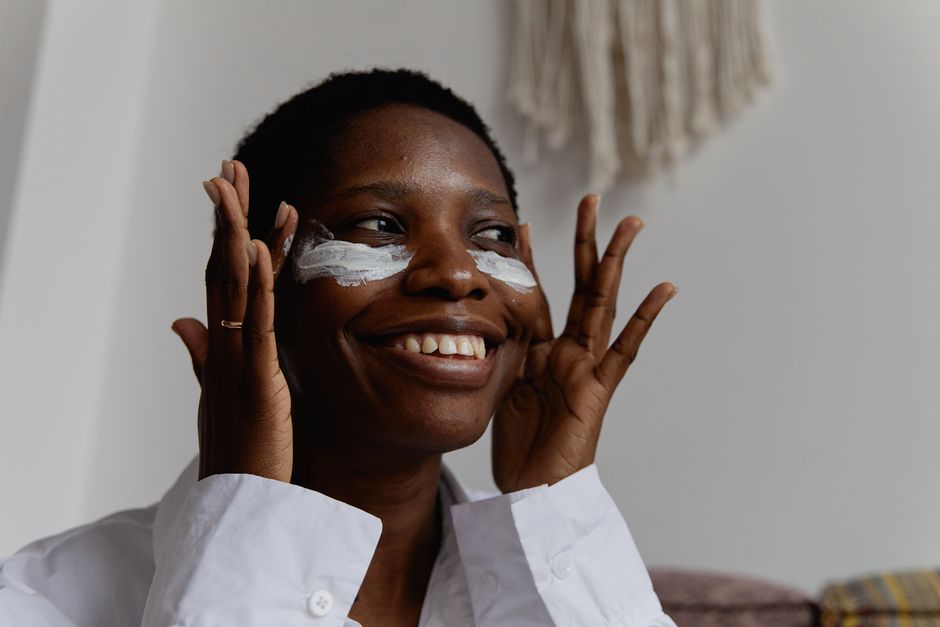
Retinol is generally safe and effective for Black skin, but it requires specific care to prevent hyperpigmentation and irritation, which are common concerns for melanin-rich skin. When used correctly with a consistent routine and sun protection, retinol can improve texture, fade dark spots, and support collagen production without causing long-term damage.
Why Black Skin Needs a Different Retinol Approach
Black skin has more melanin, and that changes how it reacts to irritation. Melanin provides natural protection against some UV damage, but it also means any inflammation leaves behind dark marks. This condition is called post-inflammatory hyperpigmentation, or PIH.
When retinol causes peeling or redness, the skin responds by producing extra melanin. That response can turn a short-term irritation into a long-term dark patch. This is the core reason why retinol use on Black skin demands a slower, gentler strategy than it might for lighter skin tones.
Research consistently shows that darker skin has a stronger inflammatory response to skin trauma. So the goal is to get the benefits of retinol without triggering that inflammatory cascade.
What Retinol Actually Does for Black Skin
Retinol is a form of vitamin A. When applied to the skin, it converts to retinoic acid, which speeds up cell turnover. This means dead skin cells shed faster and new ones rise to the surface.
For Black skin, this process offers specific benefits. It helps fade existing dark spots. It smooths rough patches, especially common on elbows and knees. It also stimulates collagen production, which can reduce the look of fine lines and keep skin firm.
Some dermatologists also use retinoids to treat a condition called pseudofolliculitis barbae, or razor bumps. By keeping the skin cell turnover regular, retinol helps prevent ingrown hairs that cause those bumps. This is a well-documented use in clinical practice, though it is not the primary reason most people start retinol.
Acne is another area where retinol helps. Black skin often experiences acne with post-inflammatory hyperpigmentation as a side effect. Clearing acne faster means fewer opportunities for dark marks to form.
The Real Risks of Retinol on Melanin-Rich Skin
The main risk is not that retinol is unsafe for Black skin. The risk is that irritation leads to hyperpigmentation that lasts months.
When skin barrier is compromised, it loses moisture. That leads to a condition called transepidermal water loss. Dry, flaky skin is more visibly noticeable on darker skin because the flakes appear ashy or gray against the deeper skin tone.
Another risk is over-exfoliation. People sometimes combine retinol with other active ingredients like alpha-hydroxy acids or benzoyl peroxide. This combination can overwhelm the skin and cause a chemical burn-like reaction. On Black skin, that reaction often heals with a dark mark.
There is also the “retinol purge.” This is a temporary worsening of acne that happens in the first few weeks. For someone with acne-prone Black skin, this can be discouraging. Some people stop using retinol at this stage, which means they never reach the point where their skin clears up.





How to Start Retinol Safely on Black Skin
Start with a low concentration. Over-the-counter retinol typically comes in strengths from 0.1% to 1%. Begin at the lowest strength and use it once a week for two weeks. If no irritation occurs, increase to twice a week.
Apply retinol only at night. Daylight breaks down the ingredient and makes it less effective. More importantly, retinol makes skin more sensitive to the sun, and sun exposure on Black skin can trigger melasma or worsen existing dark spots.
Use the sandwich method. This means applying moisturizer first, then retinol, then another layer of moisturizer. This buffers the retinol and reduces irritation while still allowing it to work. Some dermatologists recommend this approach specifically for patients with darker skin tones.
Never apply retinol to damp skin. Water increases penetration, which increases irritation. Wait at least 20 minutes after washing your face before applying retinol.
Skip areas where skin is thinner or more sensitive. The corners of the nose, the eyelids, and the neck absorb more product. On Black skin, irritation in these spots can leave marks that are hard to treat.
What to Avoid When Using Retinol
Do not use retinol with other strong exfoliants on the same night. This includes glycolic acid, salicylic acid, and physical scrubs. If you want to use both, alternate nights or use the exfoliant in the morning and retinol at night.
Avoid waxing while using retinol. Retinol thins the top layer of skin, making it more prone to tearing during wax removal. This can cause scarring and hyperpigmentation on Black skin.
Do not use retinol on broken skin or active cold sores. The ingredient can spread the virus and make outbreaks worse.
Be careful with vitamin C. Both retinol and vitamin C are beneficial, but they can be irritating when used together. If your skin tolerates both, use vitamin C in the morning and retinol at night. If your skin is sensitive, alternate days instead.
Sun Protection Is Non-Negotiable
Many people with Black skin skip sunscreen because they believe melanin offers enough protection. Melanin provides some natural SPF, estimated at around 13 for darker skin tones. That is not enough to prevent retinol-induced sun sensitivity.
Daily sunscreen use is required when using retinol. Choose a broad-spectrum sunscreen with SPF 30 or higher. Look for formulas that do not leave a white cast, since this is a common reason people with darker skin avoid sunscreen.
Chemical sunscreens with newer filters like avobenzone or mexoryl tend to absorb more cleanly into deeper skin tones. Iron oxide-based tinted sunscreens also work well and add extra protection against visible light, which matters for melasma-prone skin.
How Long Before Results Appear
Retinol is not a quick fix. Skin cell turnover takes about 28 days in younger skin, and longer as we age. Visible changes typically appear after 8 to 12 weeks of consistent use.
For dark spots, results may take longer. Some dermatologists note that hyperpigmentation in darker skin tones can take 3 to 6 months to fade noticeably. This is not because retinol is not working. It is because melanin deposits sit deeper in the skin and take longer to break down.
Collagen remodeling for fine lines takes even longer. Studies suggest that meaningful improvement in wrinkles requires about 6 months of regular use. Consistency matters more than strength. Using a low dose nightly for a year will outperform a high dose used sporadically.
What to Do If Irritation Occurs
If your skin becomes red, painful, or starts peeling heavily, stop using retinol. Do not push through the irritation. On Black skin, pushing through can cause permanent dark marks.
Wait until the skin barrier recovers. This may take one to two weeks. During this time, use only a gentle cleanser and a thick moisturizer. Look for products with ceramides, which help repair the skin barrier.
When skin feels normal again, restart retinol at a lower frequency. If you were using it twice a week, go back to once a week. If irritation returns at the lowest frequency, consider a lower concentration or a different retinoid like retinaldehyde, which is gentler.
Some people find that prescription-strength retinoids like tretinoin are too strong for their Black skin. This is not a failure. It is a sign that your skin needs a different formulation. Over-the-counter retinol esters like retinyl palmitate are even gentler but also less effective.
Retinol vs. Other Options for Black Skin
Retinol is not the only option for addressing dark spots and texture on Black skin. Azelaic acid is a strong alternative. It is well-studied for treating melasma and post-inflammatory hyperpigmentation with minimal irritation.
Kojic acid and licorice root extract also target hyperpigmentation by inhibiting tyrosinase, the enzyme that produces melanin. These work well as adjuncts to retinol or as alternatives for those who cannot tolerate retinoids.
Tranexamic acid has emerged as another option. It is available in topical form and has shown promise in clinical studies for treating melasma in darker skin tones. However, evidence is still developing, and it is not yet a first-line treatment in most dermatology guidelines.
Chemical peels with mandelic acid or lactic acid are sometimes recommended. These alpha-hydroxy acids are larger molecules that penetrate more slowly, reducing irritation risk. They should only be performed by a qualified dermatologist who understands darker skin tones.
Frequently Asked Questions
Can retinol cause permanent dark spots on Black skin?
Retinol itself does not cause permanent dark spots, but the irritation it triggers can lead to post-inflammatory hyperpigmentation that lasts for months. Using a low concentration and a gentle routine can prevent this reaction.
What percentage of retinol is best for beginners with Black skin?
Start with 0.1% to 0.25% retinol to allow your skin to build tolerance gradually. Higher strengths like 0.5% or 1% should only be used after several months of consistent use without irritation.
Should Black people use retinol every day?
No, daily use is not necessary and can increase irritation risk. Most dermatologists recommend starting with once or twice weekly and slowly increasing frequency only if the skin tolerates it well.
Can retinol help with razor bumps on Black skin?
Yes, retinol helps prevent ingrown hairs by normalizing skin cell turnover around hair follicles. It is commonly recommended by dermatologists for treating pseudofolliculitis barbae, though results take several weeks to appear.
