
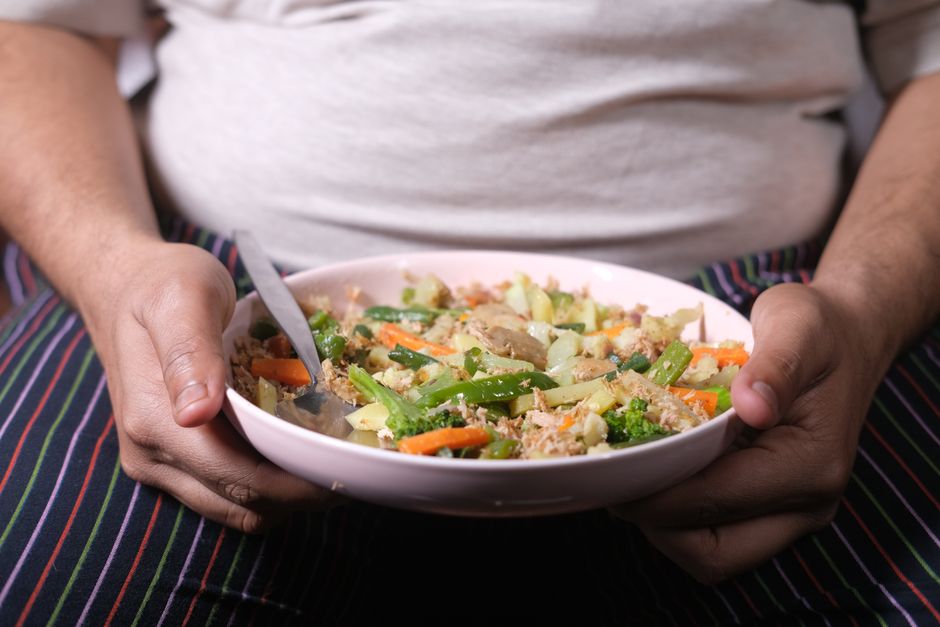
Reheating food twice is not automatically dangerous, but it does raise the odds of two separate problems: bacteria that multiplied while the food sat out, and toxins those bacteria produced that heat cannot destroy. The safe approach is to cool leftovers fast, store them cold, and reheat only the portion you plan to eat.
Most of the risk comes from how the food was handled between heatings, not from the act of reheating itself. A single well-managed reheat is low risk. Repeated warming and cooling cycles are where things get shaky.
What Actually Happens When You Reheat Food?
Heat kills living bacteria. It does not remove the waste those bacteria left behind.
Some bacteria produce heat-stable toxins as they grow. Bacillus cereus, a spore-forming bacterium common in cooked rice and pasta, is the classic example. Its spores can survive cooking. If rice sits at room temperature, those spores germinate and the bacteria multiply, producing toxins that survive reheating. This is why fried rice syndrome is a real, documented illness and not a myth.
Clostridium perfringens behaves similarly in meat and gravy. Staphylococcus aureus produces toxins in foods handled by people and left warm. In each case, the toxin is the problem, and no amount of microwaving fixes it.
Reheating twice mostly matters because it means the food spent more total time in the temperature range where bacteria grow fastest — roughly 40°F to 140°F (4°C to 60°C). Each cooling and warming cycle is another window.
What Is the “Danger Zone” and Why Does It Matter?
The danger zone is the temperature range between 40°F and 140°F (4°C and 60°C). Bacteria that cause foodborne illness multiply fastest in this range.
Federal food safety guidance from the USDA and FDA sets a two-hour limit: perishable food should not sit in the danger zone for more than two hours total. If the room is above 90°F (32°C), that window shrinks to one hour.
That two-hour clock is cumulative, not per reheating. If leftovers sat out for an hour at dinner, went back in the fridge, and then sat out again for another hour the next day, you have used up your window. A second reheat does not reset it.
This is the single most useful thing to understand about reheating twice. The number of reheats is a rough proxy for risk. The real variable is total time in the danger zone.
Is Reheating Food Twice Bad Risks Explained by Food Type
Not all leftovers carry the same risk. The food matters as much as the number of reheats.
Rice and pasta are among the higher-risk items because of Bacillus cereus spores. These should ideally be eaten within a day of cooking and refrigerated within an hour of being served.
Poultry, meat, and dishes with gravy or sauce support Clostridium perfringens and other bacteria well. Moist, protein-rich foods left warm are prime growing conditions.
Eggs and seafood tend to spoil faster and are generally best eaten fresh.
Leafy greens, cut fruit, and cold dishes should not be reheated at all. Heat wilts them, and reheating does nothing useful for safety if they were already contaminated.
There is a common assumption that if food smells fine and looks fine, it is fine. That assumption is unreliable. Bacillus cereus and Clostridium perfringens can multiply to illness-causing levels without producing an obvious smell or visible change. You cannot taste or smell heat-stable toxins.





How Should You Store and Reheat Leftovers Safely?
Speed is the priority. Cool leftovers quickly rather than letting a large pot sit on the stove.
- Divide large batches into shallow containers so they cool faster.
- Refrigerate within two hours of cooking (one hour if the room is above 90°F).
- Keep the fridge at 40°F (4°C) or below.
- Reheat only the portion you will eat, not the whole container.
- Reheat to 165°F (74°C) throughout, and check with a food thermometer when you can.
- Throw away leftovers that have been in the fridge longer than three to four days.
Reheating the whole container and then putting the uneaten portion back in the fridge is a common mistake. It adds another danger-zone cycle to food you may reheat again later. Take out what you need and leave the rest cold.
Microwaves heat unevenly. Stir midway through and let the food stand for a minute so heat distributes. Cold spots are where bacteria survive.
Does Reheating Twice Destroy Nutrients?
Repeated heating does reduce some nutrients, but the effect is smaller than most people assume and rarely the main concern.
Water-soluble vitamins — particularly vitamin C and several B vitamins — are the most heat-sensitive. Each heating cycle causes some loss, and losses accumulate with repeated reheating. Minerals are largely unaffected. Protein is not meaningfully damaged by normal reheating.
For most people eating a varied diet, the nutritional difference between reheating once and twice is minor. Food safety is the bigger issue. If you are choosing between throwing out safe food and eating it, the nutrient loss from one more reheat is not a strong reason to worry.
Who Should Be More Careful With Leftovers?
Some people face higher risk from foodborne illness and should be more cautious with reheated food.
- Adults over 65, whose immune systems respond less effectively to infection
- Pregnant women, because some foodborne infections can affect the pregnancy
- Infants and young children
- People with weakened immune systems from illness or certain medications
For these groups, the practical advice is straightforward: eat leftovers sooner, reheat thoroughly, and when in doubt, throw it out. The cost of discarding a portion of rice is trivial compared with a serious infection.
What Are the Signs of Foodborne Illness?
Foodborne illness from reheated leftovers typically shows up within hours to a few days, depending on the organism.
Common symptoms include nausea, vomiting, stomach cramps, and diarrhea. Bacillus cereus tends to cause vomiting within a few hours or diarrhea somewhat later. Clostridium perfringens usually causes diarrhea and cramps roughly 6 to 24 hours after eating.
Most cases resolve on their own within a few days with rest and fluids. Seek medical care if you have bloody stool, a high fever, signs of dehydration, or symptoms that persist beyond a few days. This is especially important for the higher-risk groups above.
Can You Reheat Food More Than Once if You Follow the Rules?
There is no official rule that sets a maximum number of reheats. The guidance is about time and temperature, not a count.
In practice, each reheat tends to add another danger-zone window, because food has to cool and warm again. So the safest habit is to reheat once, eat what you take, and avoid cycling the same dish through the microwave repeatedly.
If food was cooled quickly, stored cold, and reheated thoroughly each time, the added risk from a second reheat is modest. If it sat out between heatings, the risk climbs fast regardless of how many times you reheat it.
Frequently Asked Questions
Is it safe to reheat food twice?
It can be safe if the food was refrigerated promptly and reheated to 165°F (74°C) each time, but each cycle adds another window in the danger zone. The safest habit is to reheat only the portion you plan to eat.
Can reheating food kill bacteria and toxins?
Reheating kills living bacteria, but it does not destroy heat-stable toxins that some bacteria produce as they grow. This is why food left out too long can still make you sick even after thorough reheating.
How long can leftovers stay in the fridge?
Most cooked leftovers are considered safe for three to four days when stored at 40°F (4°C) or below. Discard anything older, regardless of how it looks or smells.
Which foods are riskiest to reheat more than once?
Cooked rice, pasta, poultry, and meat dishes with gravy carry the highest risk because they support spore-forming bacteria well. Cold dishes like salads and cut fruit should not be reheated at all.
