
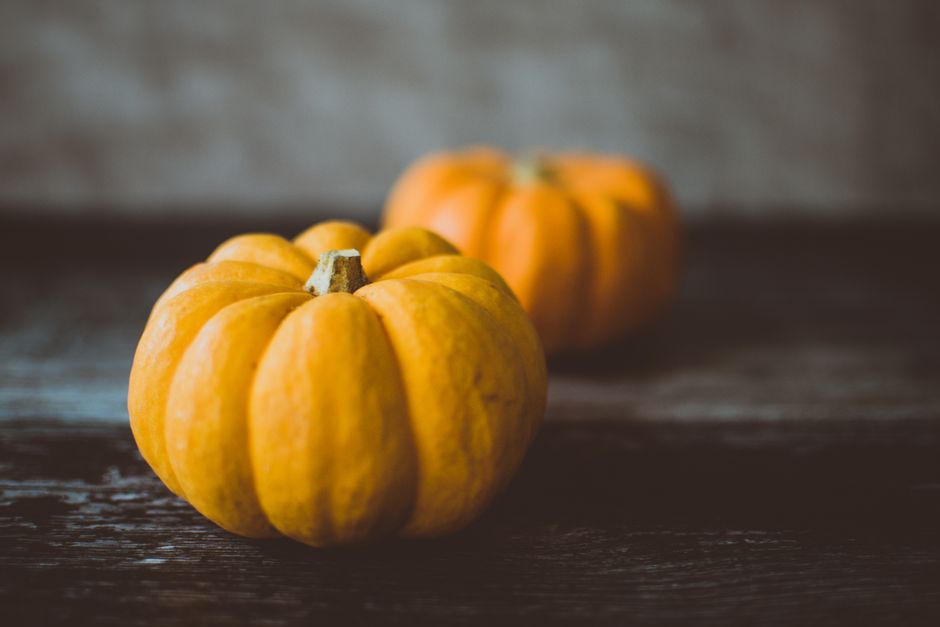
Pumpkin pie sits at the center of the American holiday table, and it has a reputation problem in both directions. Some people treat it as the “healthy” dessert, the one you can eat without guilt. Others see a slice of pie and assume it is no better than cake. The truth is in the middle, and it depends heavily on how the pie is made. Pumpkin itself is a nutrient-dense winter squash, low in calories and rich in vitamin A. But a slice of pumpkin pie is mostly custard and crust, and those two components carry most of the sugar, fat, and calories. So the answer is: pumpkin pie is a dessert with real nutritional upside from its squash content, but it is still a dessert. It is not a health food, and it is not a junk food. It is somewhere in between, and the details matter.
What Is Actually in Pumpkin Pie?
A standard slice of pumpkin pie contains three main parts: the crust, the pumpkin filling, and the spices. Each contributes differently to what you end up eating.
The crust is usually made from flour, butter or shortening, sugar, and salt. It is the largest source of refined carbohydrate and added fat in most recipes. A single bottom crust can add well over 100 calories per slice before the filling is even counted.
The filling is where pumpkin lives. Canned pumpkin puree is simply cooked, mashed winter squash. It is not the same as canned pumpkin pie filling, which already contains added sugar and spices. This distinction matters more than most people realize, because the two products sit on the same grocery shelf and look nearly identical.
Evaporated milk, eggs, and sugar make up the rest of the custard. The eggs provide structure and protein. The evaporated milk adds fat and some calcium. The sugar is the main variable, and recipes range widely in how much they use.
Spices like cinnamon, nutmeg, ginger, and cloves add flavor. They also contain small amounts of plant compounds that have been studied for various effects, but the amounts in a slice of pie are far too small to produce meaningful health effects on their own.
Is Pumpkin Pie Good For You?
Pumpkin pie is not a health food, but it does contain real nutrients that many desserts lack. The pumpkin puree delivers vitamin A, some fiber, and a small amount of vitamin C and potassium. A single slice can provide a meaningful share of the daily vitamin A most adults need.
That said, the sugar, refined flour, and added fat in a typical slice outweigh the nutritional benefits for most people eating it regularly. The pumpkin content is real, but it is not large enough to turn a dessert into a vegetable serving.
How you make or buy the pie changes the picture substantially. A homemade pie with less sugar and a whole-grain crust is meaningfully different from a store-bought pie with a thick crust and a sweetened filling. Neither is a health food, but one is closer to a reasonable occasional treat than the other.
One clarification worth making: the vitamin A in pumpkin comes largely from beta-carotene, a plant form of the vitamin. The body converts beta-carotene to active vitamin A only as needed, which is why eating large amounts of beta-carotene-rich foods does not cause vitamin A toxicity the way preformed vitamin A from animal sources or supplements can. This is a genuine safety advantage of plant-based vitamin A sources.
How Does Pumpkin Pie Compare to Other Desserts?
Pumpkin pie tends to land in the middle of the dessert spectrum. It is generally lower in calories and sugar than pecan pie, cheesecake, or a frosted layer cake, but higher than a plain fruit compote or a small serving of dark chocolate.
The comparison depends heavily on portion size and recipe. A thin slice of homemade pumpkin pie with a modest amount of sugar can be a reasonable dessert choice. A large slice of a commercial pie with a thick crust and a heavy hand of sugar is a different food entirely.
Here is a rough comparison of how common holiday desserts tend to stack up per typical slice. These are general ranges, not exact figures, because recipes and portion sizes vary widely.
| Dessert | Typical calorie range per slice | Main nutrient contribution |
|---|---|---|
| Pumpkin pie | Moderate | Vitamin A, some fiber |
| Pecan pie | High | Fat, some minerals |
| Cheesecake | High | Fat, some calcium |
| Apple pie | Moderate to high | Small amount of fruit |
| Dark chocolate (small serving) | Low to moderate | Some minerals, plant compounds |
The table is meant to show relative position, not precise numbers. Exact calorie counts depend on the recipe, the size of the slice, and whether whipped cream is added. Whipped cream alone can add a substantial number of calories to any slice.





Does Canned Pumpkin Have the Same Benefits as Fresh?
Canned pumpkin puree is nutritionally similar to fresh cooked pumpkin. In some cases it may actually be more concentrated, because the canning process removes water. The vitamin A content in canned pumpkin is generally high, and the fiber is largely preserved.
The key is to read the label. Canned pumpkin puree should list pumpkin as the only ingredient, or pumpkin and water. Canned pumpkin pie filling contains added sugar, and sometimes added starches or oils. These are not the same product, and using pie filling instead of puree can significantly increase the sugar content of whatever you make.
Some people worry about the safety of canned foods, particularly regarding BPA in can linings. Many manufacturers have moved away from BPA in recent years, but practices vary. If this is a concern for you, look for brands that state their cans are BPA-free, or use fresh pumpkin when it is available.
Can Pumpkin Pie Fit Into a Healthy Diet?
Yes, in the same way any dessert can fit into a healthy diet. The question is not whether a food is “good” or “bad” in isolation, but how it fits into your overall pattern of eating.
If you eat pumpkin pie a few times a year at holiday meals, it is unlikely to have any meaningful effect on your long-term health. If you eat it daily, the sugar and refined carbohydrate content would add up and could work against other health goals.
Portion size is the biggest lever. A thin slice satisfies most people as well as a large one, especially after a big meal. Skipping or reducing whipped cream cuts a significant amount of added fat and calories.
If you are making pie at home, you can reduce the sugar by a modest amount without ruining the texture in most recipes. You can also use a whole-grain crust or a thinner crust to reduce refined carbohydrate. These changes do not make pumpkin pie a health food, but they make it a better version of the same dessert.
For people managing diabetes or blood sugar conditions, pumpkin pie is still a carbohydrate-containing food and will affect blood glucose. The pumpkin itself has a relatively low glycemic impact, but the sugar and crust do not. If you are managing blood sugar, talk to your healthcare provider or a registered dietitian about how dessert fits into your plan. No general article can tell you what is right for your specific situation.
What About the Spices in Pumpkin Pie?
Cinnamon, nutmeg, ginger, and cloves are the classic pumpkin pie spices. They contain plant compounds that have been studied for various effects, including antioxidant and anti-inflammatory activity.
The amounts in a slice of pie are small. Some studies suggest cinnamon may have modest effects on blood sugar markers, but the evidence is mixed and the amounts used in those studies are often higher than what you would get from a slice of pie. It would be inaccurate to claim that the spices in pumpkin pie provide meaningful health benefits at typical serving sizes.
That said, the spices do add flavor without adding calories, which is a genuine advantage. A well-spiced pumpkin pie tastes sweet and satisfying even with less sugar than a bland recipe would need.
Frequently Asked Questions
Is pumpkin pie healthier than apple pie?
It depends on the recipe and portion size, but pumpkin pie generally provides more vitamin A because of its squash content. Apple pie may provide slightly more fiber from fruit, though both are desserts with similar sugar and crust contributions.
Can I eat pumpkin pie every day?
You can, but the sugar and refined carbohydrate would add up over time and could work against health goals. An occasional slice is different from a daily habit.
Is canned pumpkin as healthy as fresh pumpkin?
Yes, canned pumpkin puree is nutritionally similar to fresh cooked pumpkin and may be more concentrated. Just make sure you are buying puree, not pumpkin pie filling, which has added sugar.
Does pumpkin pie count as a serving of vegetables?
No. The pumpkin content is real, but the sugar, fat, and refined flour in a typical slice mean it does not function as a vegetable serving in a healthy diet.
