
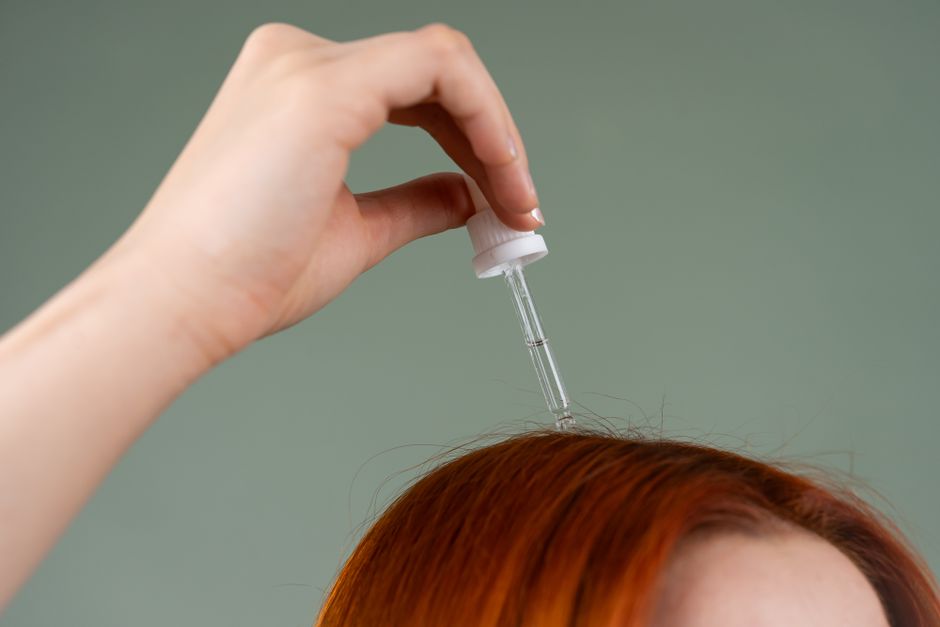
An itchy scalp is one of those problems that is easy to dismiss until it starts affecting your sleep, your focus, and your confidence. The fix depends entirely on what is causing the itch, and that is why the same shampoo that helps one person can make another person worse. Most itchy scalp cases come down to a handful of common causes: dandruff, seborrheic dermatitis, dry skin, product buildup, or a reaction to something you are putting on your hair. Identifying which one you are dealing with is the first real step toward stopping the itch.
What Usually Causes an Itchy Scalp?
The scalp is skin, and it behaves like skin elsewhere on the body. It has oil glands, a microbiome of bacteria and yeast, and a natural turnover cycle. When any of those get disrupted, itching follows.
The most common cause is seborrheic dermatitis, a condition that produces flaking, redness, and persistent itch. It is driven partly by a yeast called Malassezia that lives on most people’s scalps. This yeast is normally harmless. In people prone to seborrheic dermatitis, the scalp reacts to it with inflammation. Dandruff is generally considered a milder form of the same process.
Other frequent causes include:
- Dry scalp — often from cold weather, low humidity, or overwashing. Flakes tend to be small and white, and the scalp feels tight rather than oily.
- Contact dermatitis — a reaction to ingredients in shampoo, dye, or styling products. Itching usually starts shortly after use and may come with redness or a rash along the hairline.
- Product buildup — residue from conditioners, gels, and dry shampoos that traps oil and irritants against the skin.
- Fungal infection — such as ringworm of the scalp, which is more common in children but can occur in adults. It usually causes patches of scaling and broken hairs.
- Psoriasis — produces thick, silvery scales and can extend beyond the hairline onto the neck and behind the ears.
- Head lice — cause intense itching, especially behind the ears and at the nape of the neck.
These conditions can look similar to each other, and it is not always possible to tell them apart just by looking. A dermatologist can usually distinguish them with a physical exam, and sometimes a skin scraping or hair sample.
How Do You Stop an Itchy Scalp Fast?
Fast relief usually means treating the most likely cause while avoiding anything that makes itching worse. If you suspect dandruff or seborrheic dermatitis, an over-the-counter medicated shampoo is the standard first step.
Look for one of these active ingredients:
- Zinc pyrithione — reduces the yeast that drives seborrheic dermatitis.
- Ketoconazole — an antifungal available in 1% strength over the counter.
- Selenium sulfide — slows skin cell turnover and targets yeast.
- Salicylic acid — helps lift scales and flakes.
- Coal tar — reduces inflammation and scaling, though it can be drying and has a strong smell.
Follow the directions on the bottle, and give it time. Medicated shampoos often need to be used regularly for several weeks before the scalp settles. If one ingredient does not help after a few weeks, trying a different one is reasonable, because people respond differently.
For immediate comfort, a few things help regardless of cause. Avoid scratching, which damages the skin barrier and can lead to infection. A cool compress can calm the sensation temporarily. And switching to a gentle, fragrance-free shampoo reduces the chance that your regular product is part of the problem.
Which Shampoo Ingredients Actually Help?
Not all anti-itch ingredients work the same way, and matching the ingredient to the cause matters more than picking the strongest formula.
If the problem is yeast-driven, antifungals like ketoconazole, zinc pyrithione, and selenium sulfide are the ones with the clearest evidence behind them. If the problem is scaling and flaking, salicylic acid helps. If the problem is inflammation from psoriasis, coal tar or prescription treatments may be needed.
What does not have strong evidence is the long list of botanical extracts marketed for scalp health. Some, like tea tree oil, have shown antifungal activity in laboratory studies and limited human research. That is not the same as proven clinical benefit. Tea tree oil can also cause irritation in some people, so it is worth a patch test before applying it broadly.
One point that gets overlooked: more frequent washing is often better for an oily, flaky scalp, not worse. The idea that washing less “trains” the scalp to produce less oil is not supported by evidence. If your scalp is oily and itchy, washing more often with the right shampoo usually helps.





What Makes an Itchy Scalp Worse?
Several everyday habits can keep the itch going even when you are treating the underlying cause.
Scratching is the biggest one. It feels good for a second, then triggers more inflammation and more itching. This cycle is hard to break, but it matters. Over time, scratching can cause broken skin, scabbing, and secondary infection.
Other aggravating factors include:
- Harsh sulfates and fragrances — common in shampoos and can irritate sensitive scalps.
- Hot water — strips natural oils and worsens dryness.
- Heavy styling products — trap oil and irritants against the skin.
- Stress — consistently linked to flare-ups of seborrheic dermatitis and psoriasis, though the exact mechanism is not fully understood.
- Cold, dry air — reduces moisture in the skin and can trigger itching in people with dry scalp.
If you color or chemically treat your hair, a reaction to those products is worth considering, especially if itching started soon after a treatment.
When Should You See a Doctor for an Itchy Scalp?
Most itchy scalps respond to over-the-counter treatment and a few changes in routine. Some situations need medical attention.
See a doctor if:
- The itch is severe enough to disturb sleep or daily life.
- You have open sores, oozing, or signs of infection like warmth, swelling, or pus.
- You notice patches of hair loss.
- Over-the-counter shampoos have not helped after several weeks of consistent use.
- The scalp is red, swollen, or painful.
- You have a weakened immune system.
A doctor can confirm the diagnosis and, if needed, prescribe stronger treatments. Prescription options for seborrheic dermatitis and psoriasis include higher-strength antifungals, topical corticosteroids, and other anti-inflammatory medications. These are not appropriate for self-treatment because they carry risks with prolonged use.
Can Diet or Lifestyle Changes Help?
The evidence linking diet to scalp itching is limited and mostly indirect. Some research suggests that certain dietary patterns may influence seborrheic dermatitis, but the findings are not strong enough to support specific dietary recommendations for treating an itchy scalp.
What is better supported is general skin health. Staying hydrated, eating a balanced diet, and managing stress all support skin function, even if they are not targeted treatments. Stress management in particular may help people whose flares are triggered by stress, though this varies from person to person.
Supplements marketed for scalp health — biotin, zinc, and various herbal formulas — have not been shown in large human trials to resolve itching in people who are not deficient. If you are considering a supplement, it is worth discussing with a doctor first, because some interact with medications and some can cause harm in excess.
How Long Does It Take to Stop the Itch?
Timelines vary by cause. Mild dandruff often improves within a few weeks of consistent medicated shampoo use. Seborrheic dermatitis tends to be a chronic condition that flares and settles, so treatment is often ongoing rather than a one-time fix. Contact dermatitis usually improves once the irritant is removed, though it can take days to weeks for the skin to fully calm down.
If nothing is improving after several weeks of appropriate treatment, that is a signal to get a proper diagnosis rather than trying more products.
Frequently Asked Questions
How do I stop my scalp from itching immediately?
A cool compress and a gentle, fragrance-free shampoo can calm itching short-term, but lasting relief requires treating the cause. Medicated shampoos with zinc pyrithione or ketoconazole are the standard first step for dandruff-related itch.
What is the best shampoo for an itchy scalp?
There is no single best shampoo, because the right choice depends on the cause. For yeast-driven dandruff and seborrheic dermatitis, shampoos containing ketoconazole, zinc pyrithione, or selenium sulfide have the strongest evidence.
Can an itchy scalp be a sign of something serious?
Most itchy scalps are caused by common conditions like dandruff, dry skin, or contact dermatitis. See a doctor if you have hair loss, open sores, oozing, or itching that does not improve with over-the-counter treatment.
Does washing my hair more often make an itchy scalp worse?
Usually not. For oily, flaky scalps, more frequent washing with a medicated shampoo often helps rather than harms. The idea that washing less reduces oil production is not supported by evidence.
