
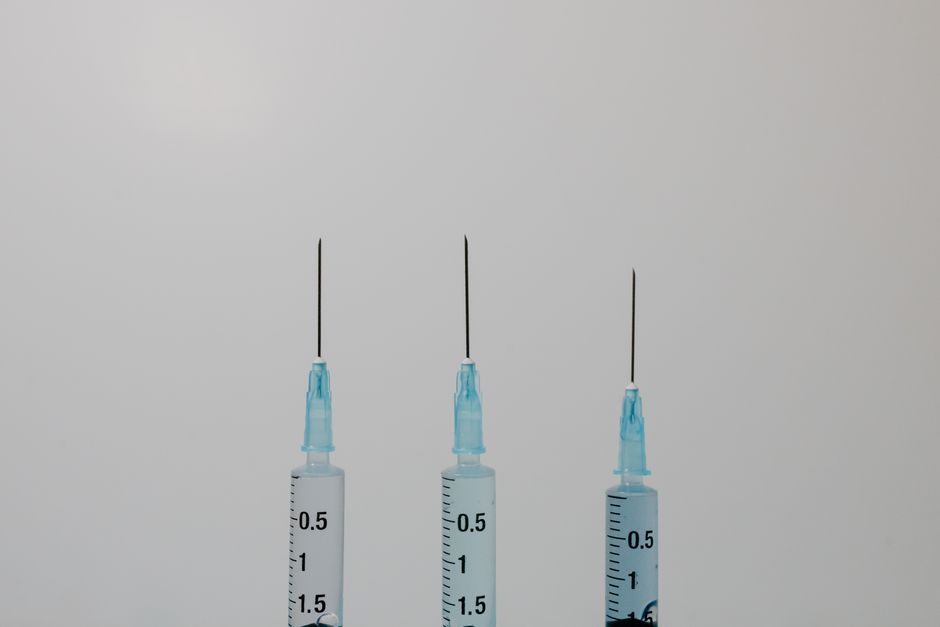
If you are considering platelet-rich plasma (PRP) therapy for hair loss, the first question on your mind is probably about the pain. The honest answer is that PRP injections for hair are uncomfortable, but most people tolerate them well. The pain is typically described as a series of quick pinpricks or a mild stinging sensation across the scalp, with most discomfort lasting only a few seconds per injection. The entire procedure usually takes about 30 to 45 minutes, and the most intense part—the actual needling—lasts only a few minutes.
Is PRP Painful For Hair What The Injections Feel Like
The sensation during a PRP session is not like a single shot at the dentist. It is a series of small, shallow injections placed across the areas of the scalp with thinning hair. Most patients describe the feeling as a sharp pinch followed by a mild burning or stinging sensation that fades within seconds. The scalp has many nerve endings, so you will feel each needle stick, but the needles used are very fine.
Some clinics use a topical numbing cream applied to the scalp about 20 to 30 minutes before the procedure. This does not eliminate the sensation entirely, but it significantly reduces the sharpness of each stick. Other clinics use a vibrating device or a cooling air stream during the injections to distract the nerves and reduce the perception of pain. If you have a low pain tolerance, ask your provider about these options before the procedure begins.
The pain level varies by person and by the specific area of the scalp being treated. The hairline and the temples tend to be more sensitive than the crown or the back of the head. The first few injections often feel the most intense because your body is not yet used to the sensation. By the middle of the session, most people report that the discomfort becomes more manageable.
What Happens During a PRP Hair Treatment Session
Understanding the full process helps set realistic expectations about the pain. PRP therapy for hair loss is a three-step procedure that starts before any needle touches your scalp.
First, a small sample of your blood is drawn from your arm, similar to a routine blood test. This sample is placed in a centrifuge, a machine that spins at high speed to separate the blood into its components. The spinning separates the platelet-rich plasma from the red blood cells and other components. This process takes about 10 to 15 minutes.
Once the PRP is ready, the provider applies the numbing cream to your scalp if your clinic offers it. The provider then injects the PRP into the scalp at the level of the hair follicles. The depth of the injection is shallow, targeting the dermis where the follicles live. The number of injections varies based on the size of the treatment area, but a typical session involves dozens of small injections.
After the injections, the scalp may feel tender and slightly swollen for a few hours. Some patients describe a feeling of tightness or a mild headache that resolves within 24 hours. Redness and small bumps at the injection sites are common and usually fade within a day or two.
How Much Pain Is Normal and When to Speak Up
Some discomfort during PRP is expected, but severe pain is not. If you experience sharp, shooting pain that feels like it is radiating beyond the injection site, tell your provider immediately. This could mean the needle is hitting a nerve or a blood vessel, and the provider should adjust the angle or depth.
After the procedure, mild soreness in the treated area is normal for 24 to 48 hours. You may notice small bruises, particularly if you take blood-thinning medications or supplements. The scalp may feel sensitive to touch, similar to a sunburn, for a short time.
Signs that warrant a call to your provider include significant swelling that does not subside, excessive bleeding, signs of infection like warmth or pus, or pain that worsens instead of improving after a few days. These complications are rare when the procedure is performed by a trained professional, but they are possible.



What Affects the Pain Level of PRP Injections
Several factors influence how much pain you feel during a PRP session. Knowing these can help you prepare and communicate with your provider.
Needle size and technique. Providers who use thinner needles and a slower, more controlled injection technique generally cause less pain. Do not hesitate to ask your provider about the needle gauge they use.
Numbing methods. Topical lidocaine cream is the most common numbing method. Some clinics also offer a local anesthetic injection, though this adds another needle stick. Others use a nerve block for larger treatment areas, but this is less common for hair PRP.
Your own sensitivity. Pain perception is highly individual. People who are anxious or tense tend to feel more pain. Taking a deep breath and relaxing your shoulders during the procedure can genuinely help.
The provider’s experience. An experienced provider knows the most sensitive areas of the scalp and can adjust the pace of the injections accordingly. A skilled provider will also communicate with you throughout the session, letting you know when the next injection is coming.
What to Do Before and After Your PRP Session to Reduce Discomfort
There are practical steps you can take to make the experience more comfortable, but be careful with any preparation advice. Always confirm specific instructions with your clinic, as protocols vary.
In the days before your appointment, avoid alcohol and anti-inflammatory medications like ibuprofen or aspirin. These can increase bleeding and bruising. Some clinics also recommend avoiding vitamin E and fish oil supplements for a few days prior. Check with your provider about which medications and supplements to pause, and never stop a prescribed medication without discussing it with your doctor first.
On the day of your appointment, eat a normal meal and stay hydrated. Being hungry or dehydrated can lower your pain tolerance and increase the chance of feeling lightheaded during the procedure.
After the session, you can usually return to normal activities immediately. Avoid washing your hair or using hair products for at least 24 hours to reduce the risk of infection at the injection sites. Avoid vigorous exercise, saunas, and swimming for 24 to 48 hours. Apply a cold pack to the treated area in 15-minute intervals if you have significant swelling, but do not press hard on the scalp.
Does the Pain Change With Each Session
PRP for hair loss is typically done in a series of treatments. A common protocol is one session per month for three months, followed by maintenance sessions every three to six months. The pain level usually decreases with each subsequent session.
This is partly because you know what to expect, which reduces anxiety. It may also be because the scalp becomes slightly less sensitive in the treated areas over time. However, there is no guarantee that every session will feel identical. Minor variations in technique, your stress level that day, and the specific areas being treated can all affect the sensation.
Is Numbing Cream Enough or Should You Ask for More
Topical numbing cream is the standard approach for PRP hair treatments, and for most people, it is sufficient. The cream needs time to work, usually 20 to 30 minutes, so it should be applied well before the injections begin.
If you have had a previous session and found the pain difficult to tolerate, tell your provider. They may offer a stronger numbing agent or a different application method. Some providers use a compounded numbing cream with a higher concentration of lidocaine. Others may inject a small amount of local anesthetic into the scalp, though this creates additional needle sticks.
Be honest with your provider about your pain level during the procedure. If you are struggling, they can pause, adjust their technique, or apply more numbing cream. There is no benefit to enduring unnecessary pain silently.
What the Evidence Says About PRP for Hair Loss
The pain question is important, but it is worth stepping back to look at what PRP actually does for hair loss. The evidence is promising but not definitive. Some studies have shown that PRP can increase hair density and thickness in people with androgenetic alopecia, which is the most common form of hair loss. Other research shows more modest results, and the studies vary widely in their protocols, injection frequency, and how they measure outcomes.
PRP works on the theory that the growth factors in platelets stimulate the hair follicles and promote new growth. The biological mechanism makes sense, but clinical results are not uniform. Some people respond well, others see minimal change, and there is no reliable way to predict who will benefit before starting treatment.
PRP is considered a low-risk procedure, but it is not cheap. A single session can cost several hundred dollars, and most people need multiple sessions. Insurance does not typically cover PRP for hair loss because it is considered a cosmetic procedure. Before committing to a full treatment series, ask your provider about realistic expectations, the total cost, and what the evidence does and does not show.
Frequently Asked Questions
How long does the pain last after PRP hair injections?
Most scalp soreness and tenderness resolves within 24 to 48 hours after the procedure. Some mild sensitivity to touch may linger for a few days, but it should steadily improve.
Can I take pain medication before PRP injections?
Avoid anti-inflammatory pain relievers like ibuprofen or aspirin before your session because they increase bleeding and bruising. Acetaminophen is generally considered safer, but confirm with your clinic first.
Is PRP for hair loss worth the discomfort?
Some studies show increased hair density, but results vary widely between individuals. The procedure is low-risk, but it is expensive and not covered by insurance, so weigh the potential benefit against the cost and discomfort.
How many PRP sessions will I need for hair loss?
A common protocol is one session per month for three months, followed by maintenance treatments every few months. Your provider will adjust the schedule based on your response and hair loss pattern.
