
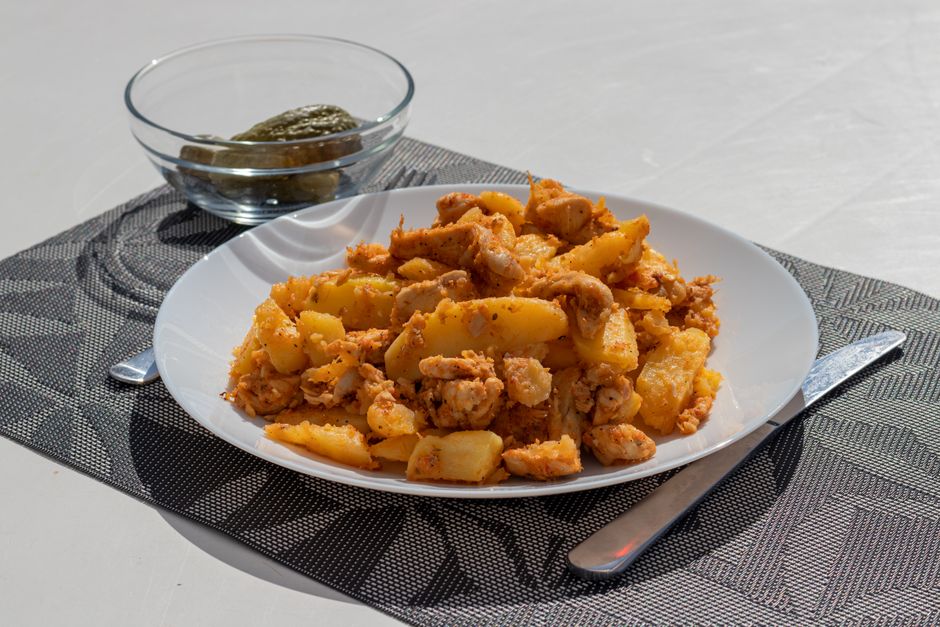
Potatoes contain protein, but it is not a complete protein. Like most plant foods, potato protein is missing or low in one or more of the nine essential amino acids your body cannot make on its own. That single fact shapes almost everything else worth knowing about potato protein.
This matters more than it might seem. Potatoes are one of the most widely eaten foods in the world, and they do supply meaningful protein per serving. Whether that protein is “complete” depends on which amino acids are present, in what amounts, and what else you eat alongside them. Below is what the evidence actually shows.
What Makes a Protein “Complete”?
A protein is complete when it supplies all nine essential amino acids in amounts your body can use for building and repairing tissue. The nine are histidine, isoleucine, leucine, lysine, methionine, phenylalanine, threonine, tryptophan, and valine.
Your body needs these in specific proportions, not just in any amount. A protein source that is very high in some amino acids but very low in even one essential amino acid is called limiting in that amino acid. That single shortfall caps how efficiently your body can use the whole protein for new tissue. Nutrition researchers call this the limiting amino acid.
Animal proteins — meat, eggs, dairy, fish — generally supply all nine in the proportions humans need. Most single plant proteins do not. That does not make plant proteins inferior in a mixed diet. It means they behave differently, and understanding that difference is the whole point.
Is Potato Protein A Complete Protein Source?
No. Potato protein is not a complete protein by itself. It is low in several essential amino acids relative to human needs, which limits how efficiently the body can use it for tissue building.
The amino acid profile of potato protein has been studied for decades, partly because potato protein is recovered as a byproduct of potato starch production. The consistent finding is that potato protein is relatively low in the sulfur-containing amino acids methionine and cysteine, and it is also limited in lysine and possibly leucine depending on the variety and how the protein is isolated.
Some isolated potato protein concentrates score better than whole potato because processing changes the amino acid profile. Even so, the general picture does not change: potato protein on its own does not deliver all nine essential amino acids in the amounts the human body needs. Any claim that potato is a complete protein is not supported by the amino acid data.
How Much Protein Is Actually in a Potato?
A medium potato with the skin provides roughly 3 to 4 grams of protein. That is modest. It is not a protein food in the way beans, eggs, or meat are.
For context, here is how a few common foods compare per typical serving:
| Food | Protein per serving |
|---|---|
| Medium potato with skin | About 3–4 g |
| 1 large egg | About 6 g |
| 1 cup cooked lentils | About 18 g |
| 3 oz cooked chicken breast | About 26 g |
These figures come from standard USDA nutrient data. They are approximate because potato protein content varies with variety, growing conditions, and cooking method.
The practical takeaway: potatoes contribute protein to a meal, but they are not a meaningful protein source on their own. Someone relying on potatoes as a primary protein source would struggle to meet daily protein needs without eating very large quantities.


Which Amino Acids Is Potato Protein Missing?
The main shortfalls are methionine and cysteine, with lysine and leucine also low in many potato varieties. These are the amino acids that most limit how well the body can use potato protein.
Methionine and cysteine are sulfur-containing amino acids. They are involved in many body functions, including the building of proteins and the production of certain molecules your cells depend on. Most plant proteins are low in one or both.
Leucine deserves a note. It plays a specific role in triggering muscle protein synthesis, the process by which the body builds muscle. When leucine is low, the body is less efficient at using a protein source for muscle building. This is one reason isolated potato protein has drawn interest in sports nutrition research, though the evidence there is still developing and does not support treating potato protein as equivalent to animal protein for muscle building.
Lysine is often the limiting amino acid in cereal grains. It is also low in potato, which is why potatoes and grains together do not fully solve the problem the way potatoes and legumes can.
Does Cooking Change Potato Protein?
Cooking does not make potato protein complete, but it does affect how much protein your body can access. Heat changes protein structure and can slightly alter digestibility.
Boiling, baking, and frying all affect the potato differently. Cooking generally improves protein digestibility by unfolding protein structures, making them easier for digestive enzymes to break down. Very high-heat cooking, such as frying, can reduce the availability of certain amino acids through chemical reactions between proteins and sugars.
The bigger point is that no cooking method adds essential amino acids that were not there to begin with. Cooking can change how much protein you absorb. It cannot change the amino acid profile into a complete one. This is a common misunderstanding worth correcting directly.
How Do You Make Potato Protein More Complete?
You combine potatoes with foods that supply the amino acids potato lacks. This is the principle behind protein complementation, and it is a long-established approach in nutrition.
Potatoes are low in methionine and lysine. Foods rich in those amino acids fill the gap:
- Beans and lentils — high in lysine, low in methionine
- Eggs and dairy — complete proteins that supply all nine essential amino acids
- Meat, poultry, and fish — complete proteins
- Grains — higher in methionine than legumes, though often low in lysine
Beans and potatoes is a classic combination for good reason. The beans supply lysine that potato lacks, and the potato supplies methionine that beans lack. Neither is complete alone. Together they cover more of the essential amino acid profile.
You do not need to combine them in the same meal for this to work. The body maintains a pool of amino acids and draws on it throughout the day. Eating a varied mix of plant proteins across the day is generally sufficient for most healthy adults. This is a point where popular advice often overstates the need for careful meal-by-meal pairing.
Is Potato Protein Ever Sold as a Supplement?
Yes. Potato protein isolate and potato protein concentrate are sold as ingredients, mostly in sports nutrition and specialty food products. These are not the same as eating a potato.
Isolated potato protein has a different amino acid profile than whole potato because processing removes starch and other components and concentrates the protein. Some isolates score higher on amino acid quality measures than whole potato. Even so, the general limitation in methionine and other amino acids tends to remain, and the evidence that isolated potato protein matches animal protein for muscle building or other outcomes is limited.
If a product claims potato protein is a complete protein, that claim should be treated with caution. The amino acid data does not generally support it for whole potato, and the picture for isolates is more mixed than marketing often suggests.
What Should You Take Away From This?
Potatoes are a nutritious food. They provide carbohydrates, potassium, vitamin C, and some fiber, especially with the skin. They also provide a small amount of protein. None of that is in question.
What is in question is the specific claim that potato protein is complete. It is not. It is low in several essential amino acids, and that limits how efficiently the body can use it for building and repairing tissue. Eating potatoes as part of a varied diet that includes legumes, eggs, dairy, or meat solves the problem easily. Relying on potatoes alone as a protein source does not.
The honest summary is simple. Potato protein is real, it is useful in a mixed diet, and it is not complete on its own. Anyone telling you otherwise is either misunderstanding the amino acid data or overselling a product.
Frequently Asked Questions
Is potato protein a complete protein?
No. Potato protein is low in several essential amino acids, particularly methionine and cysteine, so it does not supply all nine in the amounts the body needs.
How much protein is in a potato?
A medium potato with the skin provides roughly 3 to 4 grams of protein, according to standard USDA nutrient data. That is a modest amount compared with beans, eggs, or meat.
Can you get enough protein from potatoes alone?
It would be very difficult. Potatoes are low in total protein and low in key essential amino acids, so relying on them alone would make meeting daily protein needs impractical.
What should you eat with potatoes to get complete protein?
Combining potatoes with beans, lentils, eggs, dairy, or meat supplies the amino acids potato lacks. Beans and potatoes is a classic pairing because each covers what the other is missing.
