
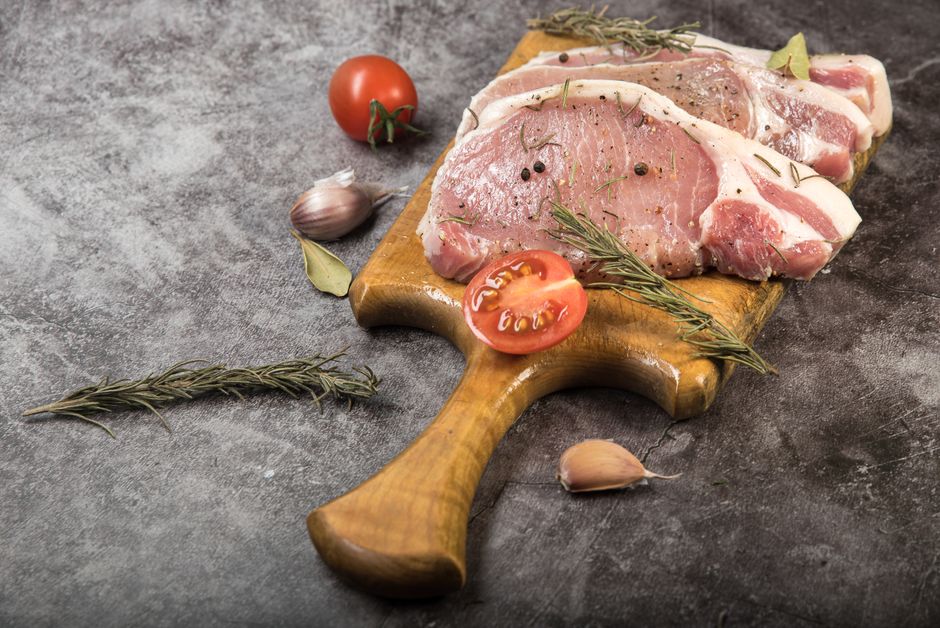
Pork chops are not inherently fattening. Whether they contribute to weight gain depends entirely on the cut, how you cook them, and your overall diet. A lean pork chop has about the same calories and fat as a skinless chicken breast, making it a solid choice for weight management.
What Determines if a Pork Chop is Fattening?
The main factor is the cut of meat. Pork chops come from different parts of the pig, and the fat content varies widely. A center-cut loin chop is very lean. A rib chop or blade chop has more marbling and a fat cap.
A 3-ounce serving of a lean pork chop has roughly 120-150 calories and 3-5 grams of fat. Compare that to a fattier chop, which can have 200-250 calories and 12-15 grams of fat for the same size serving. That difference adds up fast if you eat them regularly.
Portion size matters too. A typical restaurant pork chop is often 8-10 ounces. That is two to three servings. Eating that much in one sitting can easily push your calorie intake past what you need for the day.
How Cooking Methods Change the Nutrition
What you do to the pork chop in the kitchen matters as much as the cut. Frying in butter or oil adds significant calories. A tablespoon of oil alone adds about 120 calories. Breading and deep-frying adds even more.
Grilling, baking, broiling, or pan-searing with minimal oil keeps the calorie count low. These methods do not add fat. They also let the natural flavor of the meat come through, which means you do not need heavy sauces.
One thing people overlook is the sauce. A cream-based sauce or a sweet glaze can add 100-200 calories per serving. If you are watching your weight, skip the sauce or use a simple herb rub instead.
Is Pork Chops Fattening Compared to Other Meats?
Lean pork chops stack up well against other common protein sources. Here is a direct comparison for a 3-ounce cooked serving:
| Meat | Calories | Total Fat | Saturated Fat |
|---|---|---|---|
| Lean pork chop (loin) | 140 | 4g | 1.5g |
| Skinless chicken breast | 140 | 3g | 1g |
| Beef sirloin steak (lean) | 160 | 6g | 2.5g |
| Salmon (Atlantic) | 175 | 10g | 2g |
| Ground beef (80/20) | 230 | 15g | 6g |
As you can see, a lean pork chop is nearly identical to chicken breast in calories and fat. It is not the villain some people think. The problem comes when you choose a fatty cut or cook it in a way that adds extra calories.



Does Pork Chop Fat Content Vary by Cut?
Yes, significantly. Here is what you need to know about the common cuts:
- Center-cut loin chop — Leanest option. Minimal marbling. Best for weight control.
- Sirloin chop — Lean but slightly tougher. Good value for the nutrition.
- Rib chop — More fat marbling. Juicier but higher in calories.
- Blade chop — Highest fat content. Often has a large fat cap. Most calories per serving.
If you are buying from a grocery store, look for “loin” in the name. That is your leanest bet. You can also trim visible fat before cooking to reduce calories further.
What About Pork Chop Nutrition Beyond Calories?
Pork chops are a good source of protein, which helps with satiety. Protein keeps you full longer than carbohydrates or fat. That can help you eat less overall throughout the day.
They also provide B vitamins, particularly thiamin, niacin, and B6. These are important for energy metabolism. Pork is one of the richest food sources of thiamin.
Pork chops contain zinc and selenium too. Zinc supports immune function. Selenium is an antioxidant that helps protect cells from damage.
The takeaway is that pork chops offer real nutritional value. They are not empty calories. When eaten in reasonable portions, they can fit into a weight-conscious diet without any problem.
Can You Eat Pork Chops on a Weight Loss Diet?
Yes. Many weight loss diets include lean pork as a recommended protein source. The key is to treat it the same way you would chicken or fish.
Stick to a 3-4 ounce serving. That is about the size of a deck of cards or the palm of your hand. Pair it with vegetables and a small portion of whole grains or a starchy vegetable.
Avoid adding high-calorie sides. Creamed spinach, mac and cheese, or fries will undo the benefit of choosing a lean protein. Instead, go for roasted broccoli, a side salad, or steamed green beans.
One more thing worth mentioning — do not fear the fat that is naturally in the meat. The saturated fat content of lean pork is moderate. Current evidence does not show that dietary saturated fat from whole foods is directly linked to heart disease in the way we once thought. The bigger issue is the total calorie balance.
Is Pork Chops Fattening if You Eat Them Every Day?
Eating the same food every day can be boring, but it is not the pork chop itself that would cause weight gain. If you eat a 3-ounce lean pork chop cooked with minimal oil, it is perfectly fine daily.
The problem is more about variety. A diet that relies heavily on one protein source may lack nutrients found in other foods. But from a weight perspective, lean pork is not a problem.
What matters is your total daily calorie intake. If you eat a lean pork chop for dinner but also eat high-calorie foods the rest of the day, you will gain weight. The pork chop is not the cause. It is the overall pattern.
Frequently Asked Questions
Are pork chops high in calories?
A 3-ounce lean pork chop has about 140 calories, which is similar to chicken breast. Fattier cuts or larger portions can be much higher.
Can I eat pork chops on a keto or low-carb diet?
Yes. Pork chops have no carbohydrates, so they fit perfectly into keto and low-carb diets. Just watch the sauces and breading.
Is pork chop healthier than chicken?
Lean pork chops and skinless chicken breast are very similar in calories, fat, and protein. The healthiest choice depends on the cut and cooking method, not the animal.
Does trimming fat off pork chops reduce calories?
Yes. Trimming visible fat before cooking can reduce the calorie and fat content by about 20-30%, depending on the cut.
