

Basmati rice is not inherently fattening. No single food makes you gain weight on its own. Weight gain happens when you consistently eat more calories than your body burns. Basmati rice can fit into a weight management plan, but how much you eat and what you eat with it matters more than the rice itself.
What Makes Any Rice Fattening?
Rice is a carbohydrate. Carbohydrates are your body’s main fuel source. They are not the enemy. The problem is portion size and what surrounds the rice on your plate.
A typical serving of cooked rice is about one cup. That cup contains roughly 200 calories. Most people eat two or three times that amount in a single sitting. Those extra portions add up quickly.
What you add to rice also changes the calorie count. A plain bowl of rice is modest in calories. Fried rice cooked in oil with eggs and meat can easily triple the calories. Creamy sauces, butter, and heavy curries do the same thing. The rice is rarely the problem. The toppings are.
How Basmati Rice Compares to Other Rice
Basmati rice is a long-grain rice grown mainly in India and Pakistan. It has a distinct aroma and a fluffy texture when cooked properly. Nutritionally, it is similar to other white rice varieties.
One cup of cooked white basmati rice has about 200 calories and 45 grams of carbohydrates. It contains very little fat and almost no sugar. Brown basmati rice is similar in calories but offers more fiber because the bran layer stays intact.
The calorie difference between basmati and other white rice is negligible. Jasmine rice, standard long-grain white rice, and basmati all land in the same calorie range. If you are comparing white basmati to brown rice, the brown version has slightly more fiber and protein, which can help you feel full longer.
Glycemic Index and Blood Sugar
The glycemic index measures how quickly a food raises blood sugar. Foods with a high glycemic index cause rapid spikes. Foods with a lower index release sugar more slowly.
White basmati rice has a glycemic index in the medium range. This is lower than many other white rice varieties. Some research suggests that basmati rice contains a type of starch that digests more slowly than the starch in shorter-grain rice. That slower digestion means a gentler effect on blood sugar compared to jasmine or sticky rice.
Brown basmati rice has a lower glycemic index than white basmati. The fiber in the bran slows digestion further. For people managing diabetes or insulin resistance, brown basmati is generally the better choice.
Blood sugar control matters for weight because insulin is a fat-storage hormone. When blood sugar spikes rapidly, insulin rises sharply. Frequent large spikes can promote fat storage over time. Choosing basmati over higher-glycemic rice is a reasonable step, but portion control still matters more.




Portion Size Is the Real Question
You can eat basmati rice every day and still lose weight if your total calorie intake stays in a deficit. The rice is not the issue. The amount is.
A reasonable serving of cooked rice is about the size of your fist. That is roughly one cup. For many people, this looks small compared to restaurant portions. Indian restaurants often serve two to three cups of rice with a single curry dish.
If you are trying to manage your weight, measure your rice for a week. Most people are surprised by what an actual serving looks like. After a week of measuring, you will be able to eyeball proper portions without thinking about it.
Protein and vegetables should take up most of your plate. Rice should be a side dish, not the main event. A plate with half vegetables, a quarter protein, and a quarter rice is a balanced approach that supports weight management.
Brown Basmati vs. White Basmati
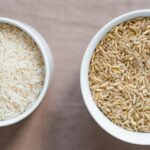
Brown basmati rice has a clear nutritional edge over white basmati. The bran layer provides fiber, which white rice lacks. Fiber slows digestion, keeps you full longer, and supports gut health.
One cup of cooked brown basmati rice has about 3.5 grams of fiber. White basmati has less than 1 gram. That difference matters for satiety. People who eat fiber-rich foods tend to feel fuller and eat less overall.
Brown basmati also retains more vitamins and minerals. Magnesium, phosphorus, and B vitamins are present in higher amounts. The milling process that produces white rice strips away many of these nutrients.
The trade-off is texture and cooking time. Brown basmati takes about twice as long to cook and has a chewier texture. Some people prefer the lighter, fluffier white version. If you like white rice, there is no reason to force yourself to eat brown. Just watch your portions.
How Cooking Method Changes the Calories
Plain boiled or steamed basmati rice is low in fat. The cooking method does not add calories. The problems start when you add fat during cooking.
Some recipes call for sautéing rice in oil or butter before adding water. This step adds significant calories. A single tablespoon of oil adds about 120 calories. If you cook rice this way, you are adding calories before the rice even reaches your plate.
Rinsing rice before cooking removes excess starch. This produces fluffier grains and may slightly reduce the glycemic response. Soaking rice for 30 minutes before cooking can also help. Neither method changes the calorie count, but both improve texture and digestion.
Cooling cooked rice and reheating it changes the starch structure. Some of the digestible starch converts to resistant starch, which acts more like fiber. This process reduces the blood sugar impact of the rice. This is not a dramatic effect, but it is real. Leftover rice that is reheated is slightly better for blood sugar than freshly cooked rice.
Is Basmati Rice Fattening Compared to Other Carbs?
Basmati rice is comparable to other staple carbohydrates. A cup of cooked rice, a cup of cooked pasta, and a medium potato all land in a similar calorie range. None of them are fattening on their own.
The difference between these foods comes down to nutrients and satiety. Quinoa and barley have more protein and fiber than white rice. Sweet potatoes have more fiber and vitamins than white potatoes. But these differences are modest when portions are controlled.
If you enjoy basmati rice, there is no compelling reason to replace it with something else. The evidence does not show that rice is uniquely fattening compared to other carbohydrate sources. What matters is the overall quality of your diet and your total calorie intake.
Practical Tips for Including Basmati Rice in a Healthy Diet
- Measure your serving. One cup of cooked rice is a reasonable portion for most adults.
- Fill half your plate with vegetables before adding rice.
- Pair rice with lean protein like chicken, fish, beans, or lentils.
- Choose brown basmati when you want more fiber.
- Skip the oil or butter when cooking rice. Use water or broth instead.
- Watch sauces and gravies. These add more calories than the rice itself.
- If you eat rice at restaurants, ask for a half portion or take half home.
These steps do not require eliminating rice from your diet. They simply bring awareness to portions and preparation. That awareness is what actually prevents weight gain.
Frequently Asked Questions
Is basmati rice good for weight loss?
Yes, basmati rice can be part of a weight loss diet when eaten in proper portions. The key is controlling serving size and balancing the rest of your plate with protein and vegetables.
Is basmati rice healthier than white rice?
White basmati is similar to other white rice varieties in nutrition. Brown basmati is healthier because it retains more fiber, vitamins, and minerals from the bran layer.
Does basmati rice spike blood sugar?
White basmati has a medium glycemic index, which means it raises blood sugar less quickly than many other white rice varieties. Brown basmati has an even gentler effect due to its higher fiber content.
How much basmati rice should I eat per meal?
One cup of cooked rice is a standard serving for most adults. If you are very active or tall, you may need more. If you are sedentary or trying to lose weight, start with three-quarters of a cup.
