
Pickle juice is not a probiotic in the traditional sense, and most commercial brands are not probiotic at all. True probiotics are live microorganisms that survive digestion and provide a health benefit. Most pickle juice is pasteurized or heat-processed, which kills the beneficial bacteria naturally present during fermentation. Unless a jar specifically states it contains live cultures and is unpasteurized, the juice is not a probiotic.
What Actually Makes Something a Probiotic?
Probiotics are defined as live microorganisms that, when consumed in adequate amounts, confer a health benefit on the host. That definition has three parts: the microbes must be alive, there must be enough of them, and they must do something beneficial.
Most commercial pickles do not meet these criteria. They are made with vinegar and heat-processed to extend shelf life. The heat kills any bacteria that were present during the brining process. Vinegar-based pickles never had live cultures in the final product to begin with.
Fermented pickles are different. These are made by soaking cucumbers in a saltwater brine, allowing naturally present bacteria like Lactobacillus to multiply and produce lactic acid. This process preserves the pickles and creates the tangy flavor. If those pickles are not pasteurized and the brine is not heat-treated, the liquid can contain live bacteria.
That means only refrigerated, unpasteurized fermented pickle juice has the potential to be probiotic. Most shelf-stable pickles found in grocery store aisles are pasteurized and will not contain live cultures.
Why Most Store-Bought Pickle Juice Has No Live Bacteria
Walk down the pickle aisle and check the labels. Most jars are shelf-stable, meaning they can sit at room temperature without spoiling. That is only possible because the product was heat-processed or acidified in a way that kills microorganisms.
Heat processing is the main culprit. Canned and jarred pickles are typically heated to temperatures that destroy bacteria, including the beneficial ones. This gives them a long shelf life but eliminates any probiotic potential.
Vinegar is another factor. Many commercial pickles use vinegar as the primary brining liquid. Vinegar creates an acidic environment that prevents spoilage, but it does not involve live bacterial fermentation. The acidity comes from the vinegar itself, not from bacteria producing acid. These pickles never had live cultures.
Even in fermented pickle products, the bacteria are only alive if the product remains unpasteurized and refrigerated. Look for the words “raw,” “unpasteurized,” “live cultures,” or “naturally fermented” on the label. If those words are absent, assume the product has no live bacteria.
What Does Fermented Pickle Juice Actually Contain?
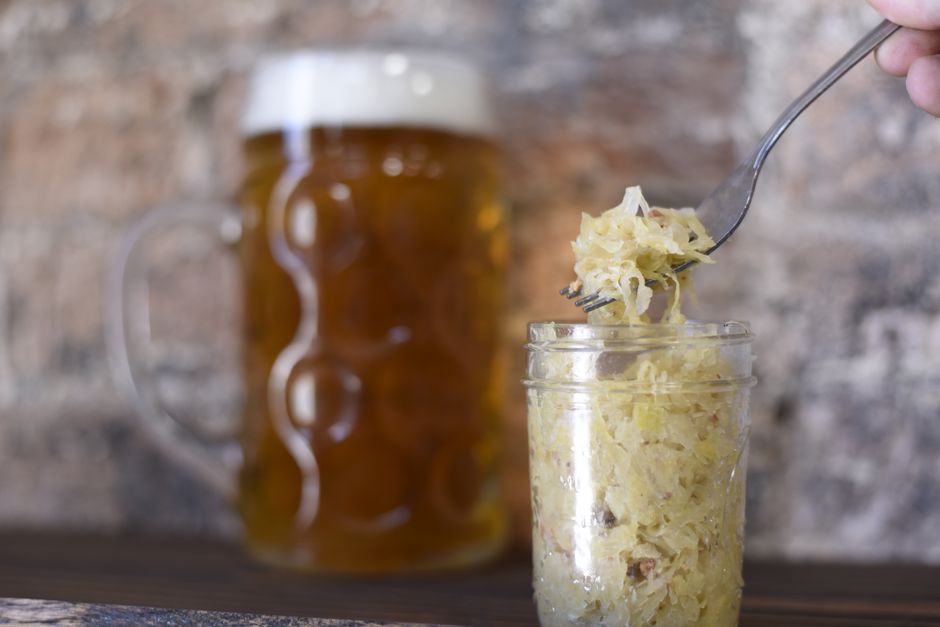
When cucumbers ferment in a saltwater brine, the dominant bacteria are typically Lactobacillus species. These are the same types of bacteria found in yogurt and sauerkraut. They produce lactic acid, which gives fermented pickles their distinctive sour taste.
That lactic acid is one reason people drink pickle juice for muscle cramps. The acid, along with electrolytes like sodium and potassium, may help with hydration. But that benefit is separate from probiotic effects.
Fermented pickle juice also contains small amounts of vitamins and antioxidants from the cucumbers. The amounts are not nutritionally significant in typical serving sizes. People usually drink a few ounces at a time, not enough to contribute meaningful nutrients.
The main compounds in any pickle juice are water, salt, vinegar or lactic acid, and flavoring agents like dill and garlic. The salt content is notable. A single ounce of pickle juice can contain several hundred milligrams of sodium.




Can You Get Probiotic Benefits From Drinking Pickle Juice?
If you have a truly fermented, unpasteurized product, the juice does contain live bacteria. Whether those bacteria survive stomach acid and reach the intestines in meaningful numbers is less certain. Research on pickle juice as a probiotic delivery system is limited compared to studies on yogurt and other fermented dairy products.
Some research suggests that Lactobacillus bacteria from plant-based ferments can survive the digestive process. But the evidence is not as strong or as well-established as it is for probiotic strains in dairy products. The number of bacteria in pickle juice also varies widely between batches and brands.
There is no clinical evidence that drinking pickle juice improves gut health, treats digestive conditions, or provides the same benefits as a standardized probiotic supplement. The bacteria present are real, but their effects on human health have not been studied in the same depth.
If your goal is to increase your intake of live beneficial bacteria, fermented foods like yogurt, kefir, kimchi, and sauerkraut have more research behind them. These foods have been studied more thoroughly for their effects on digestion and gut health.
How To Tell If Your Pickle Juice Has Live Cultures
Check the label for specific words. “Unpasteurized” is the most reliable indicator that live bacteria may be present. “Raw” and “live cultures” are also good signs. “Naturally fermented” suggests the product underwent lactic acid fermentation, but it does not guarantee the bacteria survived processing.
Look at where the product is sold. Refrigerated pickles are more likely to contain live cultures than shelf-stable ones. The cold chain helps keep bacteria alive. If pickles sit on a shelf at room temperature, they were almost certainly heat-processed.
Check the ingredient list. Fermented pickles typically list only cucumbers, water, salt, and spices. Vinegar-based pickles list vinegar as a main ingredient. If vinegar is high on the list, the product is not fermented and has no probiotic potential.
Cloudy brine is a natural sign of fermentation. The cloudiness comes from bacteria and their byproducts. Clear brine more often indicates a vinegar-based or filtered product. But cloudiness alone is not proof of live cultures if the product was pasteurized after fermentation.
Is Drinking Pickle Juice Good For You Anyway?
Pickle juice has become popular for reasons unrelated to probiotics. Athletes sometimes drink it for muscle cramps. Some research suggests the vinegar or acid content may trigger a reflex that helps stop cramps, possibly through the nervous system rather than through hydration or electrolytes.
The evidence for pickle juice and cramps is mixed. Some studies show a benefit, others show no difference compared to water. The effect, if it exists, appears to be rapid and short-lived. It is not a treatment for chronic cramping conditions.
Pickle juice is high in sodium. For people with high blood pressure or kidney disease, that is a real concern. A single serving can contain a significant portion of the daily recommended sodium limit.
There is no evidence that drinking pickle juice helps with weight loss, blood sugar control, or any other metabolic condition. Those claims circulate online but lack solid clinical support. Treat pickle juice as what it is: a salty, tangy liquid that can be enjoyable and may help with cramps in some cases.
Frequently Asked Questions
Is pickle juice a probiotic?
Only if the pickle juice comes from unpasteurized, naturally fermented pickles and contains live bacteria. Most commercial pickle juice is pasteurized or vinegar-based and contains no live cultures.
How do I know if my pickle juice has live probiotics?
Look for “unpasteurized” or “raw” on the label and buy from the refrigerated section. If the product is shelf-stable or lists vinegar as a main ingredient, it does not contain live bacteria.
Does drinking pickle juice help with gut health?
There is no clinical evidence that drinking pickle juice improves gut health. Fermented pickle juice contains live bacteria, but the effects of those bacteria on the human digestive system have not been studied in a way that supports health claims.
Is fermented pickle juice the same as probiotic supplements?
No. Fermented pickle juice contains naturally occurring bacteria, but the strains and amounts vary between batches. Probiotic supplements are standardized to deliver specific strains in measured doses that have been studied for health effects.
