
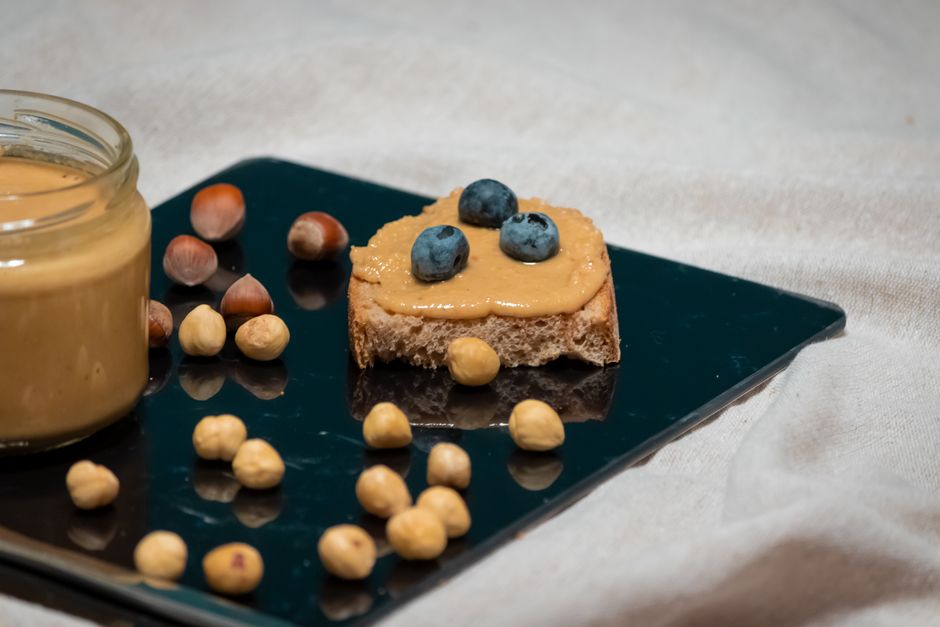
Peanut butter is good for cholesterol for most people. Studies consistently show that regular peanut consumption is linked to lower LDL (bad) cholesterol and higher HDL (good) cholesterol. The key is choosing the right kind of peanut butter and watching your portion size, since it is calorie-dense.
What Does Peanut Butter Actually Do to Your Cholesterol?
Peanut butter is mostly unsaturated fat. About 80% of the fat in peanuts is either monounsaturated or polyunsaturated. These are the fats that help lower LDL cholesterol when they replace saturated fats in your diet.
Saturated fat is the main dietary driver of high LDL cholesterol. Peanut butter contains some saturated fat, but much less than butter, lard, or fatty meats. A standard two-tablespoon serving has about 3 grams of saturated fat. For comparison, the same amount of butter has about 14 grams.
Research published in the Journal of the American College of Nutrition found that eating peanuts daily improved lipid profiles in adults with high cholesterol. Participants who ate peanuts saw lower triglycerides and LDL cholesterol compared to a control group. The effect is modest but real.
Is Peanut Butter Good Or Bad For Cholesterol Compared to Butter?
Replacing butter with peanut butter is a clear win for cholesterol. Butter is about 50% saturated fat. Peanut butter is about 20% saturated fat. When you swap one for the other, you reduce your saturated fat intake significantly.
The type of fat matters too. Butter contains short-chain and medium-chain saturated fats that raise LDL cholesterol. Peanut butter contains oleic acid, a monounsaturated fat also found in olive oil. Oleic acid is associated with lower cardiovascular risk.
One important note: peanut butter is not a low-fat food. It is a high-fat food with a good fat profile. If you eat peanut butter in addition to your normal diet rather than replacing other fats, you will gain weight. Weight gain raises cholesterol independently of fat type.
Does the Type of Peanut Butter Matter?
Yes, the type matters a lot. Natural peanut butter contains only peanuts and maybe salt. Commercial peanut butter often contains added sugar, hydrogenated oils, and palm oil.
Hydrogenated oils contain trans fats. Trans fats raise LDL cholesterol and lower HDL cholesterol. They are worse for your heart than saturated fats. Most major brands have removed partially hydrogenated oils, but some still use fully hydrogenated oils or palm oil to keep the peanut butter from separating.
Palm oil is about 50% saturated fat. Adding palm oil to peanut butter increases its saturated fat content. Check the label. The best choice is peanut butter with peanuts as the only ingredient.
Sugar is also a concern. Added sugar raises triglycerides, a type of fat in the blood. High triglycerides are an independent risk factor for heart disease. A two-tablespoon serving of some commercial peanut butters contains as much sugar as a cookie.




How Much Peanut Butter Should You Eat?
A serving size is two tablespoons. That is roughly the size of a golf ball. It contains about 190 calories and 16 grams of fat.
Eating one serving per day is reasonable for most adults. Some research suggests that eating peanuts five or more times per week is associated with lower cardiovascular risk. But those studies measured total peanut consumption, not peanut butter specifically.
Portion control is the real challenge. Peanut butter is easy to overeat. Three or four servings add up to nearly 800 calories. That amount of extra calories will raise your cholesterol over time through weight gain.
If you are trying to lower your cholesterol, measure your serving. Do not scoop it directly from the jar. Use a measuring spoon for at least a few weeks until you can eyeball the portion accurately.
What Does the Research Say About Peanuts and Heart Health?
The evidence for peanuts and heart health is strong. The PREDIMED study, a large Spanish trial, included nuts as part of a Mediterranean diet. Participants who ate nuts had a 28% lower risk of major cardiovascular events compared to the control group. Peanuts were included in the nut category.
A 2016 analysis of the Nurses’ Health Study found that eating peanuts was associated with lower total mortality and lower cardiovascular mortality. The effect was dose-dependent, meaning more peanuts were linked to more benefit up to a point.
Peanuts also contain plant sterols. Plant sterols block cholesterol absorption in the intestines. The amount in peanut butter is modest, but it contributes to the overall cholesterol-lowering effect.
One caveat: most research uses whole peanuts or peanut butter without added sugar and oil. The results may not apply to highly processed peanut butter products.
Are There People Who Should Avoid Peanut Butter?
People with peanut allergy must avoid peanut butter completely. Peanut allergy is one of the most common food allergies and can cause life-threatening reactions.
People with kidney disease should be cautious. Peanut butter is high in phosphorus and potassium. Damaged kidneys cannot filter these minerals effectively. A doctor or dietitian should guide intake for anyone with chronic kidney disease.
People trying to lose weight should be careful with portion size. Peanut butter is nutrient-dense but calorie-dense. It is easy to add 500 calories of peanut butter to your day without noticing.
People with a history of kidney stones may also need to limit peanut butter. Peanuts are high in oxalates, which can contribute to calcium oxalate stones in susceptible people.
How to Choose the Best Peanut Butter for Your Cholesterol
Read the ingredient list. The ideal peanut butter has one ingredient: peanuts. Some brands add salt, which is fine for most people. Avoid products with sugar, palm oil, or hydrogenated oils.
Natural peanut butter separates. The oil rises to the top. You need to stir it before each use. This is normal and not a sign of spoilage. Some people store natural peanut butter upside down to make stirring easier.
Powdered peanut butter is another option. It has most of the fat removed, so it is lower in calories and fat. However, the cholesterol-lowering benefit comes largely from the fat profile. Powdered peanut butter does not provide the same benefit.
If you prefer commercial peanut butter, compare labels. Some brands now offer versions with no added sugar and no palm oil. These are acceptable alternatives to natural peanut butter.
Frequently Asked Questions
Does peanut butter raise cholesterol?
No, peanut butter does not raise cholesterol for most people. It contains mostly unsaturated fats that help lower LDL cholesterol when eaten in moderation.
Is it okay to eat peanut butter every day?
Yes, one serving per day is reasonable for most adults. Stick to two tablespoons and choose natural peanut butter without added sugar or oils.
Which is better for cholesterol: peanut butter or almond butter?
Both are good choices. Almond butter has slightly more monounsaturated fat and less saturated fat than peanut butter, but the difference is small.
Does peanut butter lower LDL cholesterol?
Yes, research shows regular peanut consumption can lower LDL cholesterol. The effect is modest and works best when peanut butter replaces saturated fats like butter.
