
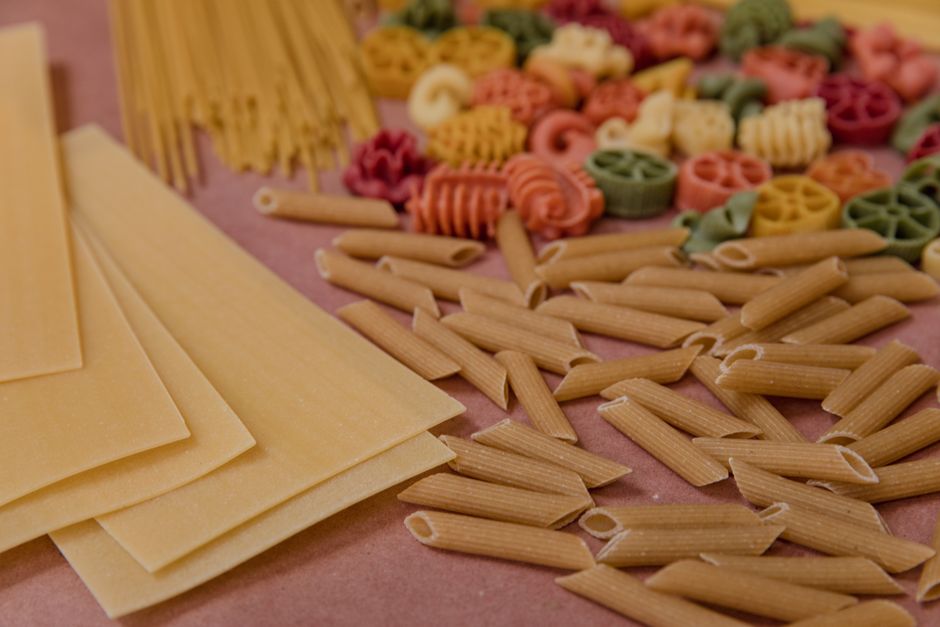
Yes, pasta is a carbohydrate. In fact, it is primarily a carbohydrate. A standard serving of cooked pasta contains mostly starch, which is a complex carbohydrate. This is not a bad thing. Carbohydrates are the body’s main source of energy, and understanding how pasta fits into that picture helps you make better food choices.
What Exactly Makes Pasta a Carbohydrate?
Carbohydrates are one of the three main nutrients in food, along with protein and fat. When you eat pasta, your body breaks down the starch into glucose, which enters your bloodstream and fuels your cells.
Pasta is made from durum wheat semolina. Wheat is a grain, and grains are naturally rich in starch. This means the carbohydrate content of pasta is not added during processing. It is the natural structure of the grain itself.
A typical serving of cooked pasta — about one cup — contains roughly 40 grams of carbohydrates. It also contains about 8 grams of protein and less than 2 grams of fat. The remaining weight is mostly water from cooking.
Are All Pasta Carbohydrates the Same?
No. The type of carbohydrate in pasta matters for how your body responds. Regular white pasta is made from refined flour. The grain has been stripped of the bran and germ, leaving mostly the starchy endosperm. This makes the carbohydrate digest quickly.
Whole wheat pasta keeps the entire grain intact. It contains more fiber, which slows digestion. This means glucose enters your bloodstream more gradually compared to white pasta.
There are also legume-based pastas made from chickpeas, lentils, or black beans. These contain less starch and more protein and fiber. Their carbohydrate profile is different from wheat pasta, and they have a lower effect on blood sugar.
Does Pasta Cause Blood Sugar Spikes?
White pasta has a higher glycemic index than whole wheat pasta. Glycemic index measures how quickly a food raises blood sugar. High-glycemic foods cause a faster rise.
However, pasta often scores lower on the glycemic index than other refined carbohydrates like white bread. This is partly because of pasta’s physical structure. The dense, compact nature of pasta slows digestion, even when it is made from refined flour.
How you cook pasta also matters. Al dente pasta — cooked until firm — digests more slowly than overcooked pasta. Overcooked pasta breaks down more completely during digestion, which can lead to a faster glucose response.
Portion size is the biggest factor. A large serving of any carbohydrate food will raise blood sugar more than a moderate serving. The carbohydrate count matters more than the type for most people managing blood sugar.





Is Pasta a Good Source of Energy?
Yes. Pasta is an efficient source of sustained energy. The starch in pasta is broken down into glucose, which is the preferred fuel for the brain and muscles.
Athletes often eat pasta before endurance events. This practice, sometimes called carbohydrate loading, helps maximize glycogen stores in muscles. Glycogen is the stored form of glucose, and it provides readily available energy during prolonged exercise.
For everyday energy, pasta serves the same purpose. A meal with pasta provides fuel that your body uses over several hours. Pairing pasta with protein and vegetables creates a more balanced meal that supports steady energy levels.
What Nutrients Does Pasta Provide Beyond Carbs?
Pasta is not just empty calories. It contains several important nutrients, though the amounts vary by type.
Enriched pasta has iron and B vitamins added back during processing. These include folic acid, thiamin, riboflavin, and niacin. Folic acid is especially important for pregnant women because it helps prevent certain birth defects.
Whole wheat pasta naturally contains more fiber, magnesium, and zinc than refined pasta. Fiber supports digestive health and helps with feelings of fullness. Magnesium plays a role in muscle function and bone health.
Legume-based pastas add plant protein and additional fiber. They offer a different nutrient profile than wheat pasta, which can be useful if you want more protein or are avoiding gluten.
How Much Pasta Should You Eat?
There is no single answer that fits everyone. The right portion depends on your age, activity level, and overall dietary needs.
The United States Department of Agriculture includes grains in its dietary guidelines. For most adults, grains should make up about one-quarter to one-third of the plate at each meal. This is a general guideline, not a strict rule.
Many people eat more pasta than they need. A typical restaurant serving can be two to three times the standard one-cup portion. Being aware of portion size is more important than avoiding pasta entirely.
If you have diabetes or prediabetes, work with your healthcare provider to determine how much carbohydrate fits into your meal plan. Individual carbohydrate tolerance varies significantly from person to person.
Does Cooking Method Change the Carbohydrate Content?
The total carbohydrate content does not change with cooking method. A cup of cooked pasta has the same carbohydrates whether it is boiled, baked, or sautéed.
What changes is how your body responds. Cooking pasta and then cooling it can increase something called resistant starch. Resistant starch is a type of carbohydrate that resists digestion in the small intestine. It acts more like fiber, feeding beneficial gut bacteria instead of raising blood sugar.
This effect is real but modest. Reheating cooled pasta preserves some of the resistant starch. This does not make pasta a low-carbohydrate food. It simply means the glucose response may be slightly blunted compared to freshly cooked pasta.
Should You Avoid Pasta to Eat Healthy?
No. Pasta can be part of a healthy diet. The evidence does not support avoiding carbohydrates for most people.
Low-carbohydrate diets can be effective for weight loss in the short term. However, long-term studies show that the type of carbohydrate matters more than the total amount for most health outcomes.
Refined carbohydrates like white bread and sugary drinks are associated with poorer health outcomes. Whole grains, including whole wheat pasta, are associated with lower risk of heart disease, type 2 diabetes, and certain cancers.
The problem is rarely pasta itself. The problem is often the serving size and what is added to it. Cream sauces, heavy cheese, and large portions turn a moderate meal into a high-calorie one. A modest portion of pasta with vegetables and a lean protein is a different meal entirely.
Is Pasta Gluten-Free?
Traditional pasta is not gluten-free. It is made from wheat, which contains gluten. Gluten is a protein that gives pasta its chewy texture.
People with celiac disease must avoid gluten completely. People with non-celiac gluten sensitivity may also need to avoid it. For these individuals, gluten-free pasta made from rice, corn, quinoa, or legumes is available.
Gluten-free pasta is not lower in carbohydrates. Rice and corn pasta have similar carbohydrate content to wheat pasta. Legume-based pasta has slightly fewer carbohydrates and more protein, but it is still a carbohydrate-containing food.
Frequently Asked Questions
Is pasta a complex or simple carbohydrate?
Pasta is a complex carbohydrate because it is made of long chains of glucose molecules called starch. These chains take longer to break down than simple sugars, which is why pasta provides more sustained energy than candy or soda.
Does cooking pasta change its carb content?
The total carbohydrate content stays the same no matter how you cook it. Cooking and then cooling pasta can create resistant starch, which slightly reduces the blood sugar response, but it does not remove carbohydrates.
Can you eat pasta on a low-carb diet?
Traditional pasta is too high in carbohydrates for strict low-carb diets. Some people use legume-based pasta or vegetable noodles like zucchini as substitutes, but these still contain carbohydrates and should be counted.
Is whole wheat pasta healthier than white pasta?
Whole wheat pasta contains more fiber, magnesium, and zinc than white pasta. It also has a lower glycemic index, meaning it raises blood sugar more slowly. Both are carbohydrate foods, but whole wheat offers more nutritional value per serving.
