

Parsley is a mild blood thinner, not a promoter of clotting. The herb contains vitamin K, which helps blood clot, but it also contains compounds that slightly thin the blood. For most people, eating parsley in normal food amounts has little effect on blood clotting. The real concern involves people taking prescription blood thinners like warfarin, where large amounts of parsley can interfere with how well the medication works.
What Does Parsley Actually Do To Your Blood?
Parsley affects blood clotting in two opposing ways. This is why the question gets confusing.
First, parsley is rich in vitamin K. Vitamin K is essential for producing clotting factors in the liver. These proteins are what allow blood to form clots when you get a cut or injury. Without enough vitamin K, bleeding takes longer to stop.
Second, parsley contains compounds called coumarins. Coumarins are natural substances that have mild anti-clotting properties. The prescription drug warfarin (Coumadin) is actually a synthetic version of a coumarin originally found in sweet clover. The coumarins in parsley are much weaker than the drug, but they do exist in the plant.
The practical effect is that parsley’s vitamin K content usually dominates. For a healthy person, eating parsley will not make your blood dangerously thin, nor will it make you clot excessively.
How Much Parsley Does It Take To Affect Clotting?
This depends entirely on how you consume it. There is a big difference between using parsley as a garnish and taking concentrated parsley supplements.
Normal culinary use — a sprinkle on a plate, a handful in a salad, or a bunch in a soup — will not meaningfully change your blood’s clotting ability. The amounts are simply too small to matter.
Parsley supplements are a different story. These are concentrated extracts that can deliver far more of the active compounds than you would ever eat in food. Some supplements are marketed for their coumarin content and claim to support circulation. No large human trials have confirmed that these supplements meaningfully thin the blood.
A single tablespoon of dried parsley contains a measurable amount of vitamin K. If you eat parsley in large quantities every day — such as juicing entire bunches — you could alter your vitamin K intake enough to matter if you take blood thinners.
What About Parsley And Vitamin K?
Vitamin K is the critical nutrient here. It directly counteracts the effect of many blood thinners.
Warfarin works by blocking vitamin K from being reused in the body. If you suddenly increase your vitamin K intake, you give the body more of what warfarin is trying to block. This can reduce the medication’s effectiveness and increase clot risk.
Fresh parsley contains roughly 164 micrograms of vitamin K per half-cup serving. To put that in context, the adequate intake for adult women is 90 micrograms per day, and for men it is 120 micrograms per day. A single half-cup of parsley exceeds the daily recommendation for both.
This does not mean parsley is dangerous. It means consistency matters. If you eat parsley regularly, your doctor can adjust your warfarin dose accordingly. The problem arises when someone who rarely eats parsley suddenly starts eating large amounts, or vice versa.

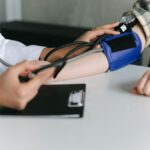



Does Parsley Interact With Blood Thinner Medications?
Yes, parsley can interact with blood thinners, but the interaction depends on the medication.
For warfarin, the interaction is primarily through vitamin K. Large amounts of parsley can reduce warfarin’s effectiveness. This is why people on warfarin are often told to keep their vitamin K intake consistent rather than eliminating it entirely.
For newer blood thinners like apixaban (Eliquis), rivaroxaban (Xarelto), or dabigatran (Pradaxa), the interaction with parsley is less clear. These medications work through different mechanisms that do not involve vitamin K. The coumarins in parsley could theoretically add to their blood-thinning effect, but no robust clinical evidence confirms this is a significant concern at normal dietary intake.
If you take any blood thinner, tell your doctor about your parsley consumption. This is especially important if you eat large amounts regularly or take parsley supplements.
Can Parsley Help Prevent Blood Clots?
The evidence here is limited. Some research suggests that coumarin compounds in plants may have mild anti-clotting effects, but this is not the same as proving parsley prevents clots in humans.
No clinical trials have shown that eating parsley reduces the risk of deep vein thrombosis, pulmonary embolism, or stroke. Marketing claims that parsley supplements can prevent blood clots go beyond what the science supports.
The coumarin content in parsley is far too low to produce the kind of effect that prescription anticoagulants achieve. If you have a condition that increases your clot risk, parsley is not a substitute for medical treatment.
Who Should Be Careful With Parsley?
Most people can eat parsley freely without concern. It is a nutritious herb that provides vitamin C, vitamin A, iron, and antioxidants.
People who should be more careful include:
- Anyone taking warfarin or other vitamin K antagonists
- People with bleeding disorders such as hemophilia
- Those preparing for surgery, especially if they eat large amounts daily
- People taking high doses of parsley supplements rather than eating the herb
If you fall into any of these categories, you do not need to eliminate parsley. You need to be consistent and inform your healthcare provider. Sudden large increases or decreases in parsley intake are what cause problems.
Pregnant women should also be cautious with parsley supplements. Large amounts of parsley have been traditionally used to stimulate uterine contractions. No clinical guidelines currently exist for safe supplement dosing during pregnancy, so it is best to stick to normal food amounts.
Parsley In Food Vs. Parsley Supplements
The distinction between food and supplements matters more than most people realize.
When you eat parsley as food, you consume a complex mixture of nutrients, fiber, and water. The body absorbs these compounds differently than it absorbs a concentrated extract. The amounts are also vastly different. You would struggle to eat enough fresh parsley to match the dose in a single supplement capsule.
Supplements are not regulated the same way medications are. The actual coumarin content can vary between brands and batches. Some products may contain more or less than the label claims. This variability makes it difficult to predict how a supplement will affect you.
The safest approach is to treat parsley as a food, not a medicine. Use it in cooking and enjoy its flavor and nutritional benefits. Do not assume that large doses of parsley supplements will protect you from blood clots or provide any other medicinal benefit that is not backed by solid evidence.
What Should You Do If You Take Blood Thinners?
Talk to your doctor or pharmacist about your diet. This is not a topic to manage on your own.
If you take warfarin, ask about your target vitamin K intake. Many clinicians recommend keeping vitamin K consumption steady from week to week rather than avoiding it completely. This allows your medication dose to be calibrated accurately.
If you take a newer anticoagulant, ask whether parsley consumption matters for your specific medication. The answer may differ based on the drug and your individual health situation.
Do not stop taking your blood thinner because you are worried about parsley. Sudden discontinuation of anticoagulants can increase your risk of dangerous blood clots. Always consult your healthcare provider before making any changes to your medication or diet.
Frequently Asked Questions
Is parsley safe to eat every day?
Yes, parsley is safe to eat daily in normal food amounts for most people. Only those on blood thinners or with bleeding disorders need to track their intake carefully.
Can parsley cause bleeding?
No evidence shows that eating parsley causes bleeding in healthy people. The coumarin content is too low to produce a significant anti-clotting effect.
How much parsley is too much on blood thinners?
There is no established safe limit because individual medication doses vary. The key is keeping your parsley intake consistent and informing your doctor about how much you eat.
Does cooking parsley reduce its vitamin K content?
Cooking does not eliminate vitamin K, but it can reduce the amount slightly. Dried parsley still contains significant vitamin K, so portion sizes still matter.
