
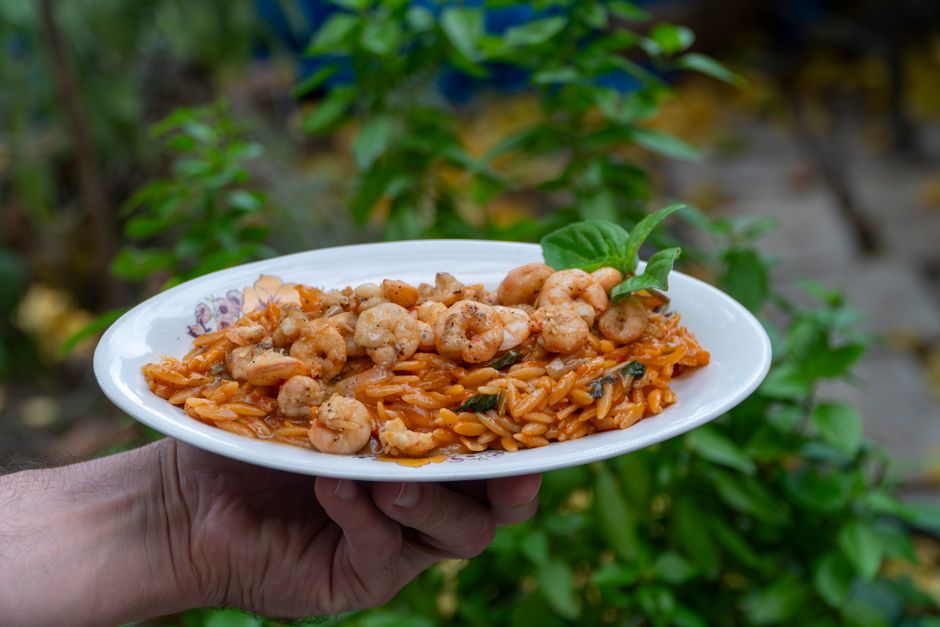
Orzo is not gluten free. It is a type of pasta made from wheat flour, most often semolina. If you have celiac disease or a gluten sensitivity, you should not eat traditional orzo. You need to look for a specific gluten free version made from rice, corn, or legumes instead.
What Is Orzo Made Of?
Orzo looks like large rice, but it is actually pasta. The name “orzo” means barley in Italian, which adds to the confusion. But the pasta itself is almost always made from wheat.
The most common ingredients are semolina flour and water. Semolina comes from durum wheat, a hard wheat variety. Some brands also add eggs. All of these ingredients contain gluten.
Because orzo is wheat-based, it behaves like other pasta when cooked. It softens, absorbs water, and has that familiar chewy texture. That texture comes directly from the gluten proteins in the wheat. This is why gluten free orzo has a noticeably different feel in your mouth.
Is Orzo Gluten Free?
No, standard orzo is not gluten free. Any orzo made with semolina, durum wheat, or regular wheat flour contains gluten. This includes most brands you will find in the pasta aisle of a regular grocery store.
Gluten is a group of proteins found in wheat, barley, and rye. For most people, gluten is harmless. But for people with celiac disease, eating gluten triggers an immune reaction that damages the small intestine. Even small amounts can cause symptoms and long-term harm.
If you are gluten sensitive but do not have celiac disease, you may also react to orzo. Symptoms can include bloating, stomach pain, fatigue, and brain fog. The only way to know for sure how your body reacts is to work with a doctor.
How Can You Tell If Orzo Is Gluten Free?
Check the label. That is the only reliable way to know. Gluten free orzo will say “gluten free” clearly on the package. It will also list a gluten free flour as the main ingredient.
Look for these gluten free ingredients:
- Brown rice flour
- White rice flour
- Corn flour
- Quinoa flour
- Chickpea flour
- Lentil flour
If the label lists semolina, durum wheat, wheat flour, or just “flour” without specifying the source, it contains gluten. When in doubt, do not buy it.
Also check for cross-contamination warnings. Some facilities process both wheat and gluten free products on shared equipment. If a package says “may contain wheat” or “processed in a facility that also handles wheat,” it may not be safe for people with celiac disease.





Gluten Free Orzo Substitutes
Several brands now make gluten free orzo. They use rice flour or a blend of gluten free grains. The shape is the same, but the taste and texture differ slightly from wheat orzo.
Rice-based orzo is the most common. It cooks faster than wheat orzo and has a lighter texture. It can turn mushy if overcooked, so watch it closely. Corn-based orzo holds its shape better and has a slightly sweet flavor.
Legume-based orzo, made from chickpeas or lentils, has more protein and fiber. It also has a firmer bite. Some people find the flavor stronger than traditional pasta. If you are new to gluten free pasta, start with rice or corn versions before trying legume-based ones.
You can also use other small gluten free pasta shapes in place of orzo. Pastina, acini di pepe, and small stars all work well in soups and salads. They are not exactly orzo, but they fill the same role in a dish.
Is Orzo in Soup Gluten Free?
No. If the soup contains traditional orzo, it is not gluten free. The gluten from the pasta leaches into the broth as it cooks. Removing the orzo from your bowl does not remove the gluten.
This matters for people with celiac disease. Even small amounts of gluten can trigger symptoms. When you eat out, always ask if the soup is made with gluten free pasta. Do not assume that picking out the orzo makes it safe.
At home, you can make gluten free soup easily. Cook gluten free orzo separately and add it to your bowl at serving time. This prevents the pasta from soaking up too much broth and keeps it from getting soggy.
Is Orzo Safe for People with Celiac Disease?
Traditional orzo is not safe for people with celiac disease. It contains wheat gluten, which causes intestinal damage in people with this condition. There is no amount of traditional orzo that is safe.
Gluten free orzo is safe if it is certified gluten free. Certification means the product has been tested and meets strict standards. In the United States, products labeled gluten free must contain less than 20 parts per million of gluten. This is the threshold established by the FDA and is considered safe for most people with celiac disease.
If you have celiac disease, check for a gluten free certification label. This gives you extra confidence that the product is safe. Some brands test every batch, while others test periodically. The certification label tells you which one you are getting.
Nutritional Differences Between Regular and Gluten Free Orzo
Regular wheat orzo and gluten free orzo have different nutritional profiles. The differences are not huge, but they matter for people tracking their intake.
Wheat orzo contains more protein than rice-based orzo. A typical serving of wheat pasta has around 7 grams of protein. Rice-based orzo has about 4 grams. Chickpea orzo has significantly more, around 11 grams per serving.
Fiber content also varies. Whole wheat orzo has more fiber than white rice orzo. But legume-based orzo has the most fiber of all. If fiber is important to you, check the nutrition label before choosing.
Gluten free orzo is not automatically healthier than regular orzo. It is simply a different product for people who cannot eat gluten. Some gluten free pastas have added gums and starches to improve texture. These are safe but add little nutritional value.
How to Cook Gluten Free Orzo Without It Turning Mushy
Gluten free pasta behaves differently than wheat pasta. It has no gluten to hold it together, so it can fall apart if you cook it too long. The key is to watch the cooking time closely.
Use a large pot with plenty of boiling salted water. Stir immediately after adding the orzo to prevent sticking. Taste it a minute or two before the package suggests. Gluten free pasta goes from perfectly cooked to mushy very quickly.
Rinse the cooked orzo with cool water if you are using it in a salad. This stops the cooking process and removes excess starch. If you are serving it hot, skip the rinse and toss it with sauce right away.
Cook gluten free orzo separately from your soup or sauce. This gives you more control over the texture. Add the cooked orzo to your bowl and pour the hot soup or sauce over it. This simple step prevents the pasta from absorbing too much liquid and becoming soft.
Frequently Asked Questions
Can I eat orzo if I am gluten intolerant?
No, traditional orzo contains wheat and is not safe for a gluten free diet. You need to buy orzo specifically labeled gluten free.
Does rinsing orzo remove the gluten?
No. Rinsing or soaking orzo does not remove gluten. The gluten proteins are throughout the pasta, not just on the surface.
Is orzo healthier than rice?
Regular orzo has more protein than white rice but similar calories. The healthier choice depends on your dietary needs and whether you can eat gluten.
