
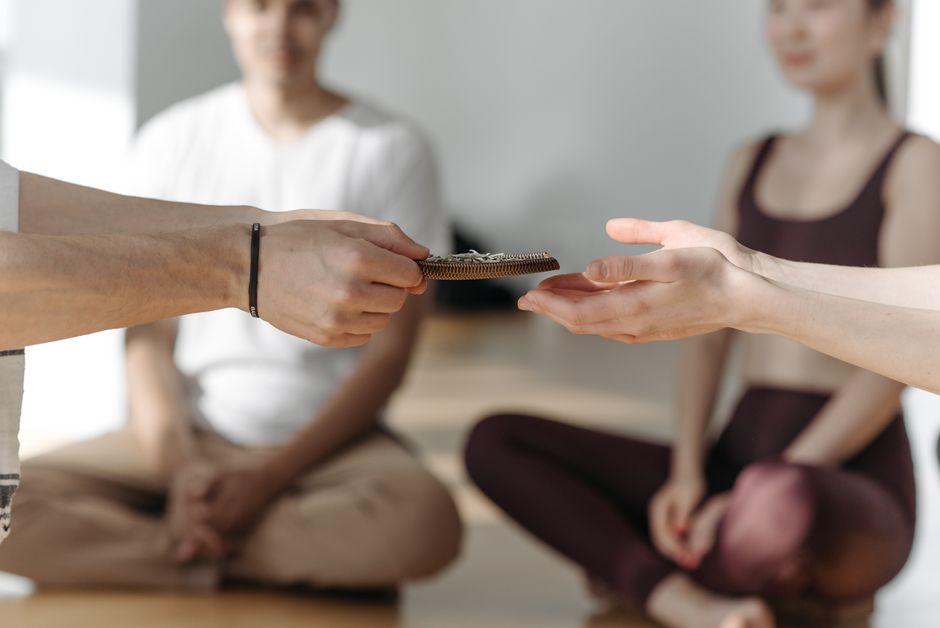
Leading a guided meditation is simpler than most people think. You do not need a special certification or years of practice. You need a clear voice, a simple structure, and the willingness to let silence do some of the work. The basic formula is this: settle your group, set an intention, guide them through a body scan or breath focus, and then bring them back gently. This step-by-step guide walks you through each stage so you can lead with confidence, whether you are guiding one friend or a room of twenty.
What Is Guided Meditation and Why Does It Work?
Guided meditation is a practice where one person speaks while others follow along. The speaker provides direction — where to place attention, how to breathe, what to notice. The listener does not have to figure out what to do. That is the core value. It removes the guesswork.
Research consistently shows that meditation practices can reduce stress and improve attention, though the strength of the evidence varies by condition. What is well established is the mechanism. When you focus on the breath or body sensations, you activate the parasympathetic nervous system. This lowers heart rate and blood pressure. It shifts the body out of the fight-or-flight state that chronic stress keeps switched on.
For the person leading, the job is not to be a therapist or a guru. The job is to hold a container. You provide structure and permission to pause. The participant does the actual work of noticing.
How To Lead A Guided Meditation Step By Step
Start with the physical setup. Have people sit comfortably. Chairs are fine. Cushions on the floor are fine. Lying down works for some, but it increases the chance someone falls asleep. That is not always a problem — sometimes rest is what the body needs — but if you want an alert practice, suggest an upright posture.
Begin by telling people what to expect. Say something like: “For the next ten minutes, I will guide you through a simple breathing meditation. If your mind wanders, that is normal. Just bring it back.” This brief orientation reduces anxiety. People relax when they know the plan.
Then guide attention inward. Use a natural voice, slower than your normal speaking pace, but not artificially slow. Pause between sentences. Silence is not a mistake. It is the space where meditation happens.
Here is a simple script structure you can adapt:
- Step 1: Invite participants to close their eyes or soften their gaze.
- Step 2: Ask them to take three deep breaths — in through the nose, out through the mouth.
- Step 3: Let the breath return to normal. Draw attention to the natural rhythm of inhale and exhale.
- Step 4: Guide a slow body scan from the top of the head down to the feet. Name each area and invite relaxation.
- Step 5: Return attention to the breath for a few minutes of silent practice.
- Step 6: Bring awareness back to the room. Ask them to wiggle fingers and toes. Open the eyes when ready.
This structure works because it gives the mind a clear job at every stage. The body scan gives restless minds something to do. The breath focus builds concentration. The closing prevents the jarring feeling of being yanked out of a relaxed state.
How Long Should a Guided Meditation Last?
For beginners, five to ten minutes is ideal. It is long enough to feel the effects and short enough to avoid frustration. For experienced groups, twenty to thirty minutes works well. The length matters less than consistency.
If you are leading a group, start shorter than you think you need. A seven-minute guided meditation that ends on time builds trust. A fifteen-minute session that drags makes people dread the next one. You can always extend the practice as the group builds stamina.
One common mistake is filling every second with words. New leaders often talk too much because silence feels uncomfortable. Resist this. A full minute of silence in a ten-minute meditation is not excessive. It gives participants room to internalize the experience.





What to Say During the Body Scan
The body scan is the most reliable tool in guided meditation. It works because the body is always present. The mind wanders, but the body stays here. Anchoring attention to physical sensations is the fastest way to bring someone into the present moment.
When you guide a body scan, move in one direction and do not jump around. Start at the crown of the head or the soles of the feet. Whichever you choose, keep the order consistent. Say the area, pause, and invite a sensation of release. Use phrases like:
- “Notice any tension in your jaw. See if you can soften it.”
- “Feel the weight of your shoulders. Let them drop away from your ears.”
- “Bring awareness to your hands. Notice any warmth or tingling.”
- “Feel your feet on the floor. Sense the ground holding you.”
Do not tell people how they should feel. Say “notice” instead of “relax.” Some people will not feel relaxed. That is fine. The instruction to notice is neutral. It does not create pressure to perform relaxation.
How To Handle Distractions and Wandering Minds
Wandering thoughts are not a failure. They are the normal behavior of the human mind. Research on meditation shows that the brain defaults to mind-wandering when not given a task. The practice is not about stopping thoughts. It is about noticing them and returning to the anchor.
Tell your group this before you start. Say: “Your mind will wander. When you notice it, gently return to the breath. That moment of noticing and returning is the exercise.” This single instruction transforms the experience. Participants stop judging themselves for getting distracted.
If someone coughs, a phone buzzes, or a door slams, acknowledge it briefly and move on. Say: “That sound came and went. Let it go and return to the breath.” You are modeling how to handle interruption. That is a lesson in itself.
How To Close a Guided Meditation Session
The ending matters as much as the beginning. A rushed ending undoes the calm you just built. A proper closing takes sixty to ninety seconds.
Start by gradually widening awareness. Say: “Begin to notice the room around you. Notice the temperature of the air. Notice any sounds.” Then invite movement: “Wiggle your fingers. Roll your ankles. When you feel ready, open your eyes.”
End with a single sentence that brings the practice into daily life. Something like: “Notice how you feel right now. See if you can carry this sense of calm into your next activity.” This creates a bridge between the meditation cushion and the rest of the day.
Do not ask “How did everyone feel?” immediately after. People need a moment to reorient. If you want feedback, wait a few minutes or ask at the end of the whole session.
Common Mistakes New Leaders Make
The most common mistake is over-explaining. You do not need to teach meditation theory while leading meditation. Keep instructions simple. Use the same phrases each time. Repetition is not boring — it is calming. Familiar words let the mind settle faster.
The second mistake is inconsistent pacing. If you speed up when you feel nervous, the group feels rushed. If you slow down too much, people get impatient. Record yourself once and listen back. You will hear exactly where the pacing breaks.
The third mistake is trying to fix people. If someone tells you they felt anxious during the meditation, do not jump into problem-solving. Sometimes anxiety surfaces when a person slows down. That is not a sign you did something wrong. Acknowledge the experience and suggest they speak with a healthcare professional if the anxiety persists.
Guided meditation is not a treatment for anxiety, depression, or trauma. For some people with severe trauma, body-focused meditation can actually increase distress. If you are leading a group and someone becomes visibly distressed, stop the practice, check on them privately, and suggest professional support. This is rare, but you should know what to do before it happens.
Frequently Asked Questions
Do I need training to lead a guided meditation?
No formal certification is required to lead a guided meditation for friends, family, or a casual group. If you plan to lead regularly in a professional setting, a meditation teacher training program can help you refine your skills, but it is not a legal requirement.
What if I feel nervous leading my first session?
Nervousness is normal and usually fades after the first minute. Prepare a short script, practice it aloud once, and remember that the group wants you to succeed. Your voice does not need to be perfect — it needs to be steady.
Can I lead a guided meditation over video call?
Yes, video calls work well for guided meditation. Ask participants to find a quiet space and position their camera so you can see their posture. Keep the session slightly shorter than an in-person class because screen fatigue adds mental load.
How often should I lead guided meditation?
Once a week is a sustainable starting point for most leaders. Leading more often risks burnout unless you have your own meditation practice. The quality of the session matters more than the frequency.
