
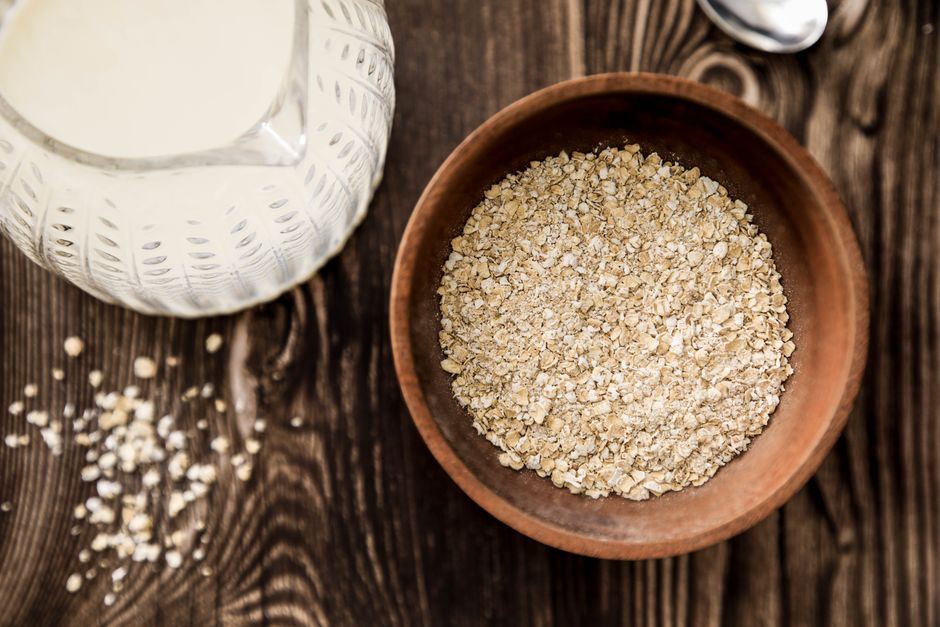
When stomach flu hits, eating anything can feel like a risk. Oatmeal is often the first food people try when they feel ready to eat again. For most people, plain oatmeal is a reasonable choice during recovery from viral gastroenteritis. It is bland, soft, and easy to digest, which makes it gentler on an irritated stomach than many other foods.
What Is Stomach Flu and Why Does Food Matter?
Stomach flu is not actually influenza. The medical name is viral gastroenteritis. It is an infection of the intestines caused by viruses like norovirus or rotavirus. The lining of your digestive tract becomes inflamed, which leads to symptoms like vomiting, diarrhea, and stomach cramps.
During the acute phase, your body is trying to expel the virus. Eating solid food too early can make nausea and vomiting worse. That is why doctors and dietitians often recommend waiting until vomiting has stopped for several hours before attempting food.
When you do eat, the goal is to choose foods that are easy to break down. Your intestinal lining is temporarily damaged and less efficient at absorbing nutrients. Simple, bland foods put less stress on the digestive system while it heals.
Is Oatmeal Good For Stomach Flu What To Know About Digestion
Oatmeal is generally safe to eat during stomach flu recovery, provided you prepare it correctly. The key is to keep it plain. No butter, no milk, no honey, no fruit, and no spices. Just oatmeal cooked with water or a small amount of a clear liquid like broth.
The reason oatmeal works well is its texture and composition. Cooked oats are soft and require minimal mechanical digestion. They are also low in fat, which matters because fat slows stomach emptying and can trigger nausea in someone recovering from gastroenteritis.
Oatmeal contains soluble fiber, specifically a type called beta-glucan. Soluble fiber absorbs water and forms a gel-like substance. This can help firm up loose stools, which is useful when diarrhea is a symptom. However, this benefit is modest. Oatmeal is not a treatment for diarrhea. It is simply a food that most people tolerate well.
One caution: some people find that even bland oatmeal triggers bloating or gas during recovery. This is not common, but it happens. If oatmeal makes you feel worse, stop eating it and try something even simpler like plain white rice or a banana.
What to Eat Before Trying Oatmeal
Oatmeal should not be the first thing you eat after a stomach flu episode. Start with clear liquids. Water, oral rehydration solutions, and clear broths are appropriate first steps. These replace fluids and electrolytes lost through vomiting and diarrhea.
Once you have kept liquids down for several hours without vomiting, you can progress to bland solid foods. The traditional recommendation is the BRAT diet: bananas, rice, applesauce, and toast. Oatmeal fits into this category as another bland, starchy option.
Plain saltine crackers are also a common first food. They are dry, salty, and very low in fat. Some people find crackers easier to tolerate than oatmeal because they are lighter. There is no rule that says you must eat oatmeal. The best first food is the one you can tolerate without worsening symptoms.





How to Prepare Oatmeal for Stomach Flu Recovery
Preparation matters more than the type of oats you choose. Instant oats, rolled oats, and steel-cut oats all come from the same grain, but they cook differently and have different textures.
Instant oats are the most processed and cook fastest. They are also the softest, which makes them easy to swallow and digest. Rolled oats are slightly chewier. Steel-cut oats are the least processed and take the longest to cook. They are also the firmest, which may be harder on a sensitive stomach.
For stomach flu recovery, instant or quick-cooking oats are the better choice. Cook them with water only. Use more water than the package suggests to make the oatmeal thinner and easier to eat. A thinner consistency is gentler on the throat and stomach.
Avoid adding anything for the first few servings. No sugar, no salt, no milk, no yogurt, no nut butter. Once you tolerate plain oatmeal without issues, you can slowly add small amounts of tolerated foods like a splash of lactose-free milk or a sprinkle of cinnamon. But wait at least a day before doing so.
What to Avoid Eating During Stomach Flu
Knowing what not to eat is just as important as knowing what to eat. Dairy products are a common problem. During and shortly after gastroenteritis, many people temporarily have trouble digesting lactose. This is because the intestinal lining produces lactase, the enzyme that breaks down lactose, and that lining is damaged during infection. Milk, cheese, and yogurt can worsen diarrhea.
High-fat foods are also problematic. Fried foods, fatty meats, and rich sauces slow digestion and can stimulate nausea. Spicy foods irritate an already inflamed digestive tract. Sugary foods and drinks can draw water into the intestines and worsen diarrhea.
Caffeine and alcohol should be avoided. Both are dehydrating, and dehydration is the main danger of stomach flu. Carbonated drinks can cause bloating and discomfort, though some people tolerate flat soda or ginger ale. Water and oral rehydration solutions are always better choices.
When to See a Doctor
Most cases of stomach flu resolve on their own within a few days. However, some situations require medical attention. Seek care if you cannot keep any fluids down for more than 24 hours. This puts you at risk for dehydration.
Signs of dehydration include dark urine, urinating less frequently than normal, dry mouth, dizziness, and extreme thirst. In infants and young children, dehydration can progress quickly. Reduced tears when crying, a sunken soft spot on the head, and fewer wet diapers are warning signs.
Blood in vomit or stool, a fever above 102°F, and severe abdominal pain that does not come and go are also reasons to contact a healthcare provider. If symptoms last longer than a week without improvement, medical evaluation is appropriate.
For most healthy adults, stomach flu is unpleasant but not dangerous. The main goal is hydration. Food is secondary. Do not force yourself to eat if you still feel nauseated. Your body will let you know when it is ready.
How Long Should You Eat Bland Foods After Stomach Flu?
There is no fixed timeline for returning to a normal diet. The general guidance is to continue bland foods until your symptoms have fully resolved and you feel hungry again. This usually takes one to three days after vomiting and diarrhea stop.
Introduce foods gradually. Start with one new food at a time and see how your body responds. If a food causes cramping or diarrhea to return, go back to bland foods for another day.
Your digestive system needs time to rebuild its enzyme production and repair the intestinal lining. This process takes several days even after symptoms disappear. Rushing back to a regular diet too quickly can prolong recovery or cause symptoms to return.
Does Oatmeal Help or Hurt Hydration?
Oatmeal cooked with water contributes to fluid intake. The oats absorb the cooking water, so eating a bowl of oatmeal provides both calories and some fluid. However, it should not replace drinking water or oral rehydration solutions.
If you are actively having diarrhea, you are losing fluids faster than you can replace them through food alone. Continue sipping fluids throughout the day even when you start eating solid food. Oral rehydration solutions are the gold standard because they contain the right balance of water, salts, and sugar for absorption.
Frequently Asked Questions
Can I eat oatmeal on an empty stomach with nausea?
Yes, if the nausea has subsided and you have kept fluids down for several hours. Start with a small portion of plain, thin oatmeal and stop if symptoms return.
Should I eat instant oats or steel-cut oats for stomach flu?
Instant or quick-cooking oats are the better choice because they are softer and easier to digest. Steel-cut oats are firmer and may be harder on a sensitive stomach.
Is it safe to add milk to oatmeal during stomach flu recovery?
No, avoid milk for the first day or two. Gastroenteritis temporarily reduces lactase production, so dairy can worsen diarrhea in many people.
How soon after vomiting can I eat oatmeal?
Wait until you have gone several hours without vomiting and can tolerate clear liquids. Starting with solid food too early can trigger another episode of vomiting.
