
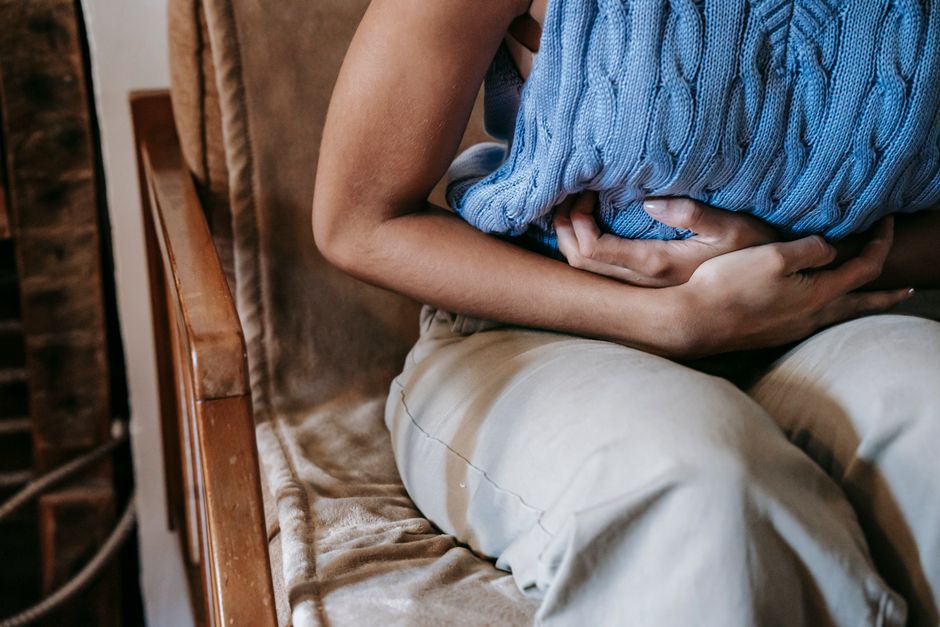
If you are dealing with muscle cramps, menstrual cramps, and stomach cramps at the same time, the most likely explanation is that these three symptoms share common triggers — most often hormonal shifts, dehydration, or electrolyte imbalances. Menstrual cramps come from the uterus contracting, muscle cramps come from muscle fibers contracting when they shouldn’t, and stomach cramps come from the smooth muscle of the digestive tract doing the same thing. When these happen together, the cause is usually something that affects all three systems at once rather than three separate problems.
Why Am I Getting Cramps in My Muscles, Period, and Stomach at the Same Time?
Your body uses the same basic mechanism to contract every type of muscle it has — skeletal muscle in your arms and legs, smooth muscle in your uterus and gut. That mechanism depends on calcium, magnesium, sodium, and potassium moving in and out of cells in a controlled way. When that balance gets disrupted, any muscle in the body can cramp.
This is why the overlap matters. A woman who is dehydrated, low on magnesium, or dealing with hormonal swings during her period may experience cramping in her legs, her uterus, and her abdomen all within the same day or two. It is not a coincidence. It is one underlying problem showing up in three places.
There is also a direct hormonal link. Prostaglandins are compounds your body releases during menstruation to help the uterus contract and shed its lining. These same compounds can affect smooth muscle in the digestive tract, which is why many women notice changes in bowel habits, nausea, or stomach cramping right before and during their period. This is a well-documented connection, not a fringe theory.
What Causes Muscle Cramps Alongside Period Cramps?
Menstrual cramps alone are common. Adding muscle cramps — usually in the legs, feet, or lower back — points to something beyond the uterus.
Electrolyte loss is the most common culprit. Sweating, heavy menstrual bleeding, vomiting, diarrhea, and even drinking too much plain water without replacing minerals can all lower your levels of magnesium, potassium, or sodium. Muscle tissue depends on these minerals to relax after contracting. When they are low, muscles stay contracted longer than they should.
Dehydration plays a role too. Blood volume drops when you are dehydrated, and that affects circulation to muscles. Menstrual bleeding adds to fluid loss. The combination can leave muscles more prone to cramping.
Hormonal shifts may contribute. Estrogen and progesterone affect fluid balance and electrolyte handling in the body. Some women notice more muscle cramping in the days before their period, when these hormones are changing rapidly. The evidence here is not as strong as it is for electrolytes, but it is a consistent clinical observation.
Low magnesium deserves specific mention. Magnesium is involved in over 300 enzymatic reactions in the body, including muscle relaxation. Research published in medical journals has found that magnesium deficiency can cause muscle cramping, and some studies suggest magnesium supplementation may reduce cramp frequency in certain populations. The evidence is strongest for pregnancy-related leg cramps and weaker for other types.
Why Does Your Stomach Cramp During Your Period?
The connection between menstrual cramps and stomach cramps is prostaglandins. These hormone-like compounds are released from the uterine lining during menstruation. They cause the uterus to contract, which is what produces period cramps.
The problem is that prostaglandins do not stay in the uterus. They enter the bloodstream and can affect smooth muscle elsewhere, including the digestive tract. This is why so many women experience diarrhea, constipation, nausea, or general stomach cramping right before or during their period.
Some women have higher levels of prostaglandins than others, which may explain why some get severe period cramps and digestive symptoms while others barely notice. Conditions like endometriosis and irritable bowel syndrome can make both worse, and they often occur together.
If your stomach cramping is severe, lasts beyond your period, or comes with blood in your stool, that is not a normal period symptom. It needs medical evaluation.
When Should You Be Concerned About Cramping in All Three Areas?
Occasional cramping in your muscles, uterus, and stomach around your period is usually not dangerous. But certain patterns warrant a doctor’s attention.
- Cramping that is severe enough to interfere with daily activities despite over-the-counter pain relief
- Muscle cramps that last more than a few minutes or happen repeatedly without an obvious trigger like exercise
- Stomach cramps with fever, persistent vomiting, blood in stool, or unexplained weight loss
- Symptoms that get worse over time rather than better
- Cramping that starts after starting a new medication, especially diuretics or statins
Electrolyte disorders can be serious. Extremely low potassium or magnesium levels can affect heart rhythm. If you have muscle cramps along with palpitations, confusion, or weakness, seek medical care promptly.
Some conditions that cause cramping in multiple areas include thyroid disorders, kidney disease, and certain autoimmune conditions. These are not the most likely explanations for occasional cramping, but they are worth ruling out if symptoms are persistent.
What Helps With Cramps in Muscles, Period, and Stomach?
Because these cramps often share causes, addressing the underlying trigger can help all three at once. The evidence varies by approach.
Hydration and electrolytes. Drinking enough fluids and replacing sodium, potassium, and magnesium through food or electrolyte drinks is a reasonable first step, especially if you sweat heavily or have been vomiting or having diarrhea. This is well-established for preventing dehydration-related cramps.
Magnesium. Some studies suggest magnesium supplementation can reduce muscle cramps, particularly in pregnancy. The evidence for period cramps is mixed. Food sources include leafy greens, nuts, seeds, and whole grains. If you are considering a supplement, talk to your doctor about the right form and amount — too much magnesium can cause diarrhea and other problems.
Heat. A heating pad on your lower abdomen or back is one of the most reliable ways to ease menstrual cramps. Heat relaxes muscle tissue and improves blood flow. This is supported by clinical evidence.
NSAIDs. Drugs like ibuprofen and naproxen reduce prostaglandin production, which is why they help both period cramps and the stomach symptoms that come with them. They are most effective when taken at the first sign of cramps. They are not appropriate for everyone — people with stomach ulcers, kidney disease, or certain other conditions should avoid them. Follow label directions or your doctor’s advice.
Gentle movement. Light exercise, stretching, and walking can help with both muscle and period cramps. The evidence is not overwhelming, but it is low-risk and many people report benefit.
Dietary changes. Some women find that reducing salt, caffeine, and alcohol in the days before their period helps with bloating and cramping. The evidence is not strong, but these changes are generally harmless.
What does not have strong evidence: most herbal “hormone balance” supplements, detox products, and cramp creams marketed for menstrual relief. Some may help through placebo or mild effects, but large trials are lacking.
Could It Be Something Other Than Your Period?
Not every episode of cramping in these three areas is related to menstruation. Other possibilities include:
- Gastroenteritis or food poisoning — causes stomach cramps, and the dehydration and electrolyte loss can trigger muscle cramps
- Irritable bowel syndrome — can cause recurrent stomach cramping that may worsen around your period
- Endometriosis — can cause severe period cramps and digestive symptoms that mimic stomach issues
- Fibroids — can cause heavy bleeding and more intense period cramps
- Medication side effects — diuretics, statins, and some blood pressure medications can cause muscle cramps
- Thyroid dysfunction — both hyperthyroidism and hypothyroidism can cause muscle cramps and digestive changes
If your symptoms do not follow a pattern related to your cycle, or if they are getting worse, it is worth talking to a doctor. A basic blood panel checking electrolytes, thyroid function, and a complete blood count can rule out several of these causes.
Frequently Asked Questions
Why do I get muscle cramps and stomach cramps during my period?
Prostaglandins released during menstruation cause the uterus to contract and can also affect smooth muscle in the digestive tract, leading to stomach cramps. Electrolyte loss from bleeding, sweating, or diarrhea can trigger muscle cramps at the same time.
Can low magnesium cause period cramps and muscle cramps together?
Magnesium plays a role in muscle relaxation, and low levels can contribute to cramping in multiple areas. Some studies suggest magnesium supplementation may help, but the evidence for period cramps specifically is mixed.
When should I worry about cramping in my muscles, period, and stomach?
Seek medical care if cramping is severe, lasts beyond your period, comes with fever, blood in your stool, palpitations, or weakness. Persistent symptoms that get worse over time also need evaluation.
Does drinking more water help with all three types of cramps?
Hydration helps prevent cramps caused by dehydration, which can affect muscles, the uterus, and the digestive tract. But water alone may not be enough if you are low on electrolytes like sodium, potassium, or magnesium.
