
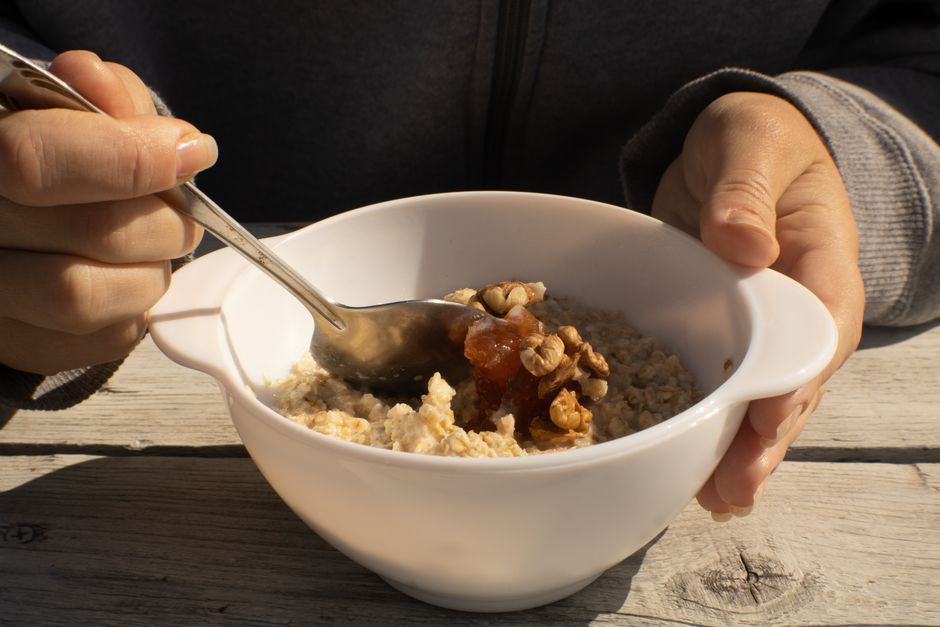
For most people, yes — oatmeal is one of the gentlest foods you can eat. It is low in fat, soft in texture, and rich in a type of soluble fiber that ferments slowly in the gut. But “easy on the stomach” depends on the person, the type of oats, and how they are prepared.
Is Oatmeal Easy On The Stomach What Science Says
Oatmeal earns its reputation for a reason. It is bland, it cooks into a soft consistency, and it does not stimulate much acid production in the stomach. For someone recovering from a stomach bug, managing acid reflux, or dealing with an ulcer, that combination tends to sit well.
The fiber in oats is the key player. Oats contain beta-glucan, a soluble fiber that forms a gel-like substance when mixed with liquid. That gel slows the emptying of the stomach and softens the contents passing into the small intestine. For many people this feels calming rather than irritating.
Beta-glucan also feeds gut bacteria in the colon. Those bacteria break it down through fermentation, which produces short-chain fatty acids. Research has linked these compounds to a healthier gut lining, though the exact clinical benefits are still being studied and are not fully settled.
What science does not show is that oatmeal is universally gentle. Some people — particularly those with irritable bowel syndrome — find that the fermentable fibers in oats trigger bloating or gas. So the honest answer is: oatmeal is easy on most stomachs, not all of them.
Why Is Oatmeal Considered A Gentle Food?
Several physical and chemical properties make oatmeal a low-irritation food for the average person.
- Low fat content. Fat slows stomach emptying and can worsen reflux symptoms in some people. Plain oats are naturally low in fat.
- Soft texture. Cooked oatmeal requires minimal mechanical digestion. That matters after vomiting, dental work, or a bout of gastroenteritis.
- Low acidity. Oats are not acidic, so they do not add to the acid load in the stomach.
- Soluble fiber. Beta-glucan absorbs water and forms a gel, which can soothe the digestive tract and add bulk to stool.
- Mild flavor. Bland foods are less likely to trigger nausea or food aversions during illness.
These traits explain why oatmeal shows up on so many “bland diet” lists used after stomach upset. That said, bland diet recommendations are based more on clinical tradition than on large controlled trials. The reasoning is sound, but the evidence base is not as strong as people assume.
Does Oatmeal Help With Acid Reflux And Heartburn?
Oatmeal is often recommended for people with gastroesophageal reflux disease, or GERD. The logic is reasonable: it is a high-fiber, low-fat food that does not relax the valve between the stomach and esophagus the way fatty or spicy foods can.
Some studies suggest that higher fiber intake is associated with fewer reflux symptoms, but the evidence is not strong enough to say oatmeal treats GERD. It is a food that most people with reflux tolerate well, not a treatment.
One practical note: adding butter, cream, or heavy sugar can undo the benefit. A bowl of plain oats is very different from a bowl loaded with fat and sweetener when it comes to reflux symptoms.





What About IBS And Sensitive Stomachs?
This is where oatmeal gets more complicated. People with irritable bowel syndrome often react to fermentable carbohydrates known as FODMAPs. Oats contain moderate amounts of these compounds, and large servings can trigger bloating, gas, or cramping in sensitive individuals.
The type of oat matters here. Instant oats and quick-cooking oats are more processed and generally easier to digest. Steel-cut oats retain more of the whole grain structure and more fiber, which is good nutrition but harder on a sensitive gut.
Portion size also plays a role. A small serving of well-cooked oats may sit fine, while a large bowl causes symptoms. If you have IBS, trial and error with portion size and oat type is more useful than a blanket rule.
People with celiac disease need to be careful about cross-contamination. Oats are naturally gluten-free, but they are often processed on equipment shared with wheat, barley, or rye. Only oats labeled gluten-free are safe for someone with celiac disease. This is a well-established concern, not a minor one.
Which Type Of Oatmeal Is Easiest To Digest?
Not all oats are equal when it comes to digestion. The more processed the oat, the easier it tends to be on the stomach — though it also delivers less fiber.
| Type | Processing | Fiber Content | Digestibility |
|---|---|---|---|
| Instant oats | Most processed, pre-cooked | Lowest | Easiest |
| Rolled oats | Steamed and flattened | Moderate | Moderate |
| Steel-cut oats | Least processed, chopped groats | Highest | Hardest |
If your goal is a calm stomach, instant or rolled oats cooked until soft are usually the better choice. If your goal is blood sugar control or sustained fullness, steel-cut oats offer more fiber and a slower glucose response — but they may not suit a sensitive gut.
According to USDA nutritional data, a half-cup of dry rolled oats provides roughly 4 grams of fiber and about 150 calories. That is a useful reference point, though actual values vary by brand and preparation.
Can Oatmeal Cause Stomach Problems?
Yes, for some people. Oatmeal is not universally gentle, and it is worth knowing the ways it can go wrong.
- Bloating and gas. The fiber in oats ferments in the colon. In sensitive people, this produces gas and distension.
- Feeling too full. Beta-glucan absorbs water and expands. Large servings can feel heavy.
- Added ingredients. Flavored instant packets often contain added sugar, milk powder, or artificial sweeteners that cause their own digestive issues.
- Fiber overload. Suddenly increasing fiber intake can cause cramping and changes in bowel habits. Gradual increases are better tolerated.
If oatmeal consistently causes symptoms, it may not be the right food for you regardless of its general reputation. That is not a failure of willpower — it is your gut telling you something useful.
How Should You Prepare Oatmeal For A Sensitive Stomach?
Preparation matters as much as the oat itself. A few adjustments can make oatmeal easier to tolerate.
- Cook oats longer and with more water for a softer texture.
- Start with a smaller serving — around a quarter to a half cup dry — and see how you feel.
- Skip butter, cream, and heavy sugar if you have reflux.
- Try instant or rolled oats before steel-cut if you are sensitive.
- Eat it warm rather than cold if cold foods bother your stomach.
- Introduce it gradually if you are not used to eating much fiber.
These are practical adjustments, not clinical prescriptions. There is no single preparation that works for everyone, and personal tolerance is the best guide.
When Should You Be Concerned?
Oatmeal itself is not a cause for medical worry. But ongoing stomach symptoms deserve attention regardless of what you eat.
See a doctor if you have persistent pain, unexplained weight loss, blood in your stool, difficulty swallowing, or symptoms that do not improve over time. These are not signs of an oatmeal problem — they are signs that something else may be going on.
Self-treating digestive symptoms with diet changes alone can delay a diagnosis. Food can help manage mild discomfort, but it cannot rule out a medical condition.
Frequently Asked Questions
Is oatmeal good for an upset stomach?
For most people, yes — its soft texture, low fat content, and mild flavor make it easy to tolerate during mild stomach upset. If you have IBS or a sensitive gut, smaller servings of instant or rolled oats tend to work better than large servings of steel-cut oats.
Can oatmeal make acid reflux worse?
Plain oatmeal rarely worsens reflux and is often well tolerated because it is low in fat and high in fiber. Adding butter, cream, or large amounts of sugar can make symptoms worse, so preparation matters.
Is instant oatmeal easier to digest than steel-cut oats?
Yes, instant oats are more processed and break down more easily in the digestive tract. Steel-cut oats contain more fiber and take longer to digest, which is better for blood sugar but harder on a sensitive stomach.
Does oatmeal cause bloating?
It can, especially in people with IBS or those not used to eating much fiber. The beta-glucan in oats ferments in the colon, which produces gas in some people. Reducing portion size or switching to a more processed oat often helps.
