
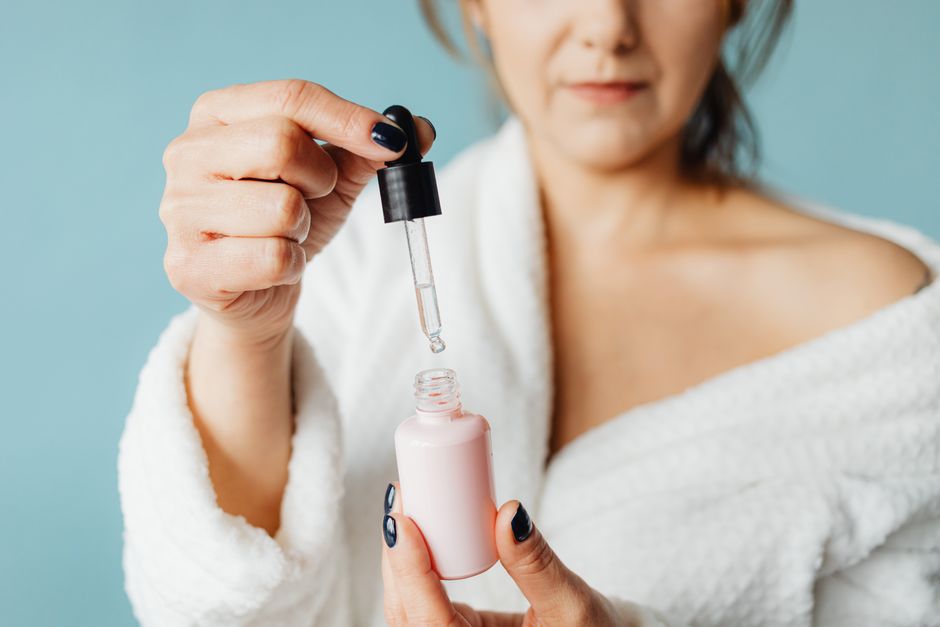
Rosacea is a chronic skin condition that affects millions of adults, often causing redness, visible blood vessels, and sometimes acne-like bumps. If you have searched for solutions, you have likely seen niacinamide, a form of vitamin B3, promoted as a gentle and effective option. The short answer is yes, niacinamide can be a good treatment for some types of rosacea, but it is not a cure, and it does not work for everyone. It is primarily used to help strengthen the skin barrier and reduce inflammation, which can ease the persistent redness and irritation that define this condition.
How Does Niacinamide Work on Rosacea-Prone Skin?
Niacinamide is not a prescription drug. It is a form of vitamin B3 that acts as an anti-inflammatory agent when applied to the skin. In rosacea, the skin barrier is often compromised. This means moisture escapes more easily and irritants penetrate more deeply, triggering flare-ups. Niacinamide helps by supporting the production of ceramides, which are the fats that hold skin cells together. A stronger barrier means less irritation from environmental triggers like wind, heat, or harsh skincare products.
Research also indicates that niacinamide can reduce the visible redness associated with rosacea by calming the underlying inflammatory response. It does not constrict blood vessels like some prescription treatments do. Instead, it works at the cellular level to reduce the chemical signals that cause inflammation. This is why results are gradual. You will not see a dramatic change overnight, but consistent use over several weeks may lead to a noticeable reduction in background redness and a decrease in the frequency of flare-ups.
Is Niacinamide Effective for All Types of Rosacea?
Rosacea is not one single condition. Dermatologists generally classify it into four subtypes, and niacinamide is not equally useful for all of them.
The most common form is called erythematotelangiectatic rosacea, which involves persistent redness and visible blood vessels. Niacinamide is most helpful here because it addresses the inflammation and barrier dysfunction that drive the redness. It will not erase broken capillaries, but it can reduce the overall flush and sensitivity.
The second common type is papulopustular rosacea, which looks like acne with red bumps and pus-filled pimples. Niacinamide can be a useful addition to a treatment plan for this type, but it is rarely enough on its own. Prescription topicals like azelaic acid or oral antibiotics are often needed to control the bumps. Niacinamide may help reduce the inflammation around those bumps, but it does not kill the bacteria or normalize the skin cell turnover that contributes to them.
For the rarer forms of rosacea, such as thickening skin on the nose or eye irritation, topical niacinamide has little to no role. These conditions require medical evaluation and often prescription treatment.
What Is the Right Way to Use Niacinamide for Rosacea?
The way you apply niacinamide matters as much as the product itself. Rosacea-prone skin is easily irritated, so you need to introduce any new product slowly.
Start with a low concentration. Many over-the-counter products contain 10 percent niacinamide, which can be too strong for sensitive rosacea skin. A concentration of 2 to 5 percent is generally better tolerated while still offering benefits. You should apply it once daily at first, preferably in the morning, to a clean face. After one week with no irritation, you can increase to twice daily if you wish.
Always apply niacinamide to damp skin or directly after cleansing. Follow it with a moisturizer. This helps lock in hydration and further supports the skin barrier. If you experience stinging, burning, or increased redness after application, stop using the product. This is not a normal reaction, and it means the formulation is not right for your skin. Some products combine niacinamide with other active ingredients like zinc or hyaluronic acid, which can be soothing, but you should avoid formulations that also contain alcohol, fragrance, or exfoliating acids.





Can Niacinamide Replace Prescription Rosacea Treatments?
No. Niacinamide is a supportive ingredient, not a replacement for medical treatment. If a dermatologist has prescribed you something like metronidazole, ivermectin, or azelaic acid, you should continue using those as directed. Niacinamide can be used alongside these treatments, but you should not layer them at the exact same moment. Apply one in the morning and the other at night, or wait a few minutes between applications so each can absorb.
The evidence for niacinamide in rosacea is not as strong as the evidence for prescription treatments. Some clinical studies have shown that a 4 percent niacinamide gel can reduce the redness and bumps of rosacea over a period of weeks. Other research suggests it works best when combined with other barrier-supporting ingredients. However, large-scale trials comparing niacinamide directly to standard prescription therapies are limited. In clinical practice, dermatologists view niacinamide as a gentle adjunct, not a primary therapy for moderate to severe rosacea.
What Are the Risks and Side Effects of Niacinamide?
Niacinamide is generally well tolerated, but it is not risk-free. The most common side effect is contact irritation, which appears as stinging, burning, or redness shortly after application. This is more likely with high concentrations or if your skin barrier is severely compromised during an active flare-up.
Some people also experience what is called “niacinamide flushing.” This is a temporary redness and warmth that can occur after application. It is more common with oral niacinamide supplements than with topical products, but it can happen topically in sensitive individuals. If you experience this, reduce the frequency of application to every other day or switch to a lower concentration.
There is also a widespread myth that niacinamide causes facial hair growth. This claim has circulated online for years, but no clinical evidence supports it. Some research has looked at whether topical niacinamide affects hair follicles, but the studies are small and inconclusive. Do not let this unproven claim stop you from using a potentially helpful ingredient.
How Long Until You See Results with Niacinamide?
Rosacea is a chronic condition, and niacinamide is not a quick fix. Skin barrier repair takes time. You should not expect to see meaningful changes in the first week. Most dermatologists suggest using a product consistently for at least 8 to 12 weeks before judging whether it works for you.
If you do respond well, the first change you may notice is less stinging and burning when you apply other products. This indicates the barrier is strengthening. Visible reduction in redness usually follows more slowly. If you have used niacinamide daily for three months and see no improvement, it is unlikely to help you, and you should consider other options.
Keep a simple routine while using niacinamide. Do not add other new active ingredients at the same time. If you start using niacinamide and a new exfoliant or retinol simultaneously, you will not know which product is helping or causing irritation. Give niacinamide a fair trial on its own, alongside your usual gentle cleanser and moisturizer.
Frequently Asked Questions
Can niacinamide make rosacea worse?
Yes, it can if you use a high concentration or a formulation with irritating ingredients. Start with a low percentage and stop if you feel stinging or burning.
Is 10 percent niacinamide safe for rosacea?
Ten percent is often too strong for rosacea-prone skin and can cause irritation. A 2 to 5 percent concentration is generally safer and equally effective for barrier support.
Should I use niacinamide during a rosacea flare-up?
It is best to pause new active ingredients during an active flare-up. Focus on gentle cleansing and moisturizing until the skin calms, then reintroduce niacinamide slowly.
Can I use niacinamide with azelaic acid for rosacea?
Yes, these ingredients can complement each other. Apply them at different times of day or wait several minutes between applications to reduce the risk of irritation.
