
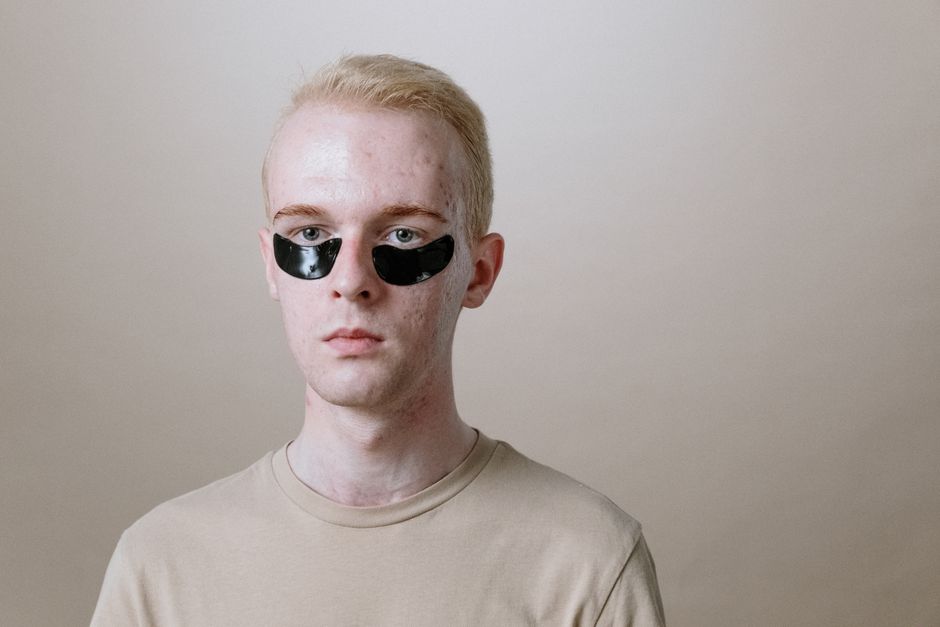
Blind pimples are the deep, painful bumps that form under your skin’s surface without a visible head. They happen when a hair follicle gets clogged with oil and dead skin cells, leading to inflammation deep in the dermis layer of your skin. This type of acne is harder to treat because the blockage is not exposed to the surface, making it more likely to become sore and swollen.
How Do Blind Pimples Form Step by Step?
Blind pimples start the same way as other pimples. Your skin produces sebum, an oily substance meant to keep your skin moisturized. When too much sebum mixes with dead skin cells, it can block a pore.
What makes a blind pimple different is where the blockage happens. Instead of near the surface, the blockage occurs deep in the follicle. The pore opening may remain closed or very narrow. Because there is no way for the trapped oil to escape, pressure builds up inside. This pressure triggers inflammation in the surrounding tissue.
Your immune system sends white blood cells to the area. This causes redness, swelling, and pain. Since the pore is not open to the air, the contents cannot dry out or form a whitehead. Instead, you feel a hard, tender lump under the skin. Research published in the Journal of Clinical and Aesthetic Dermatology explains that this type of deep inflammation is what makes blind pimples last longer and feel more painful than surface pimples.
What Causes Blind Pimples to Develop?
Hormonal changes are the most common trigger. Androgens, which are hormones that increase during puberty, menstruation, and times of stress, tell your sebaceous glands to produce more oil. The CDC notes that acne affects about 85% of people between ages 12 and 24, but blind pimples can happen at any age due to hormonal shifts.
Other causes include:
- Excessive oil production from genetics or hormonal imbalances
- Bacteria buildup — specifically Cutibacterium acnes, which thrives in clogged pores
- Friction or pressure on the skin from helmets, chin straps, or phone screens
- Certain skincare and makeup products that are oil-based or pore-clogging
- Diet — some studies suggest high-glycemic foods and dairy may worsen acne for certain people, though the evidence is not strong enough to recommend universal dietary changes
Stress alone does not cause blind pimples, but it can make them worse. When you are stressed, your body releases cortisol, which can increase oil production and inflammation.
How Do Blind Pimples Form: Causes And Treatment Options
Treating blind pimples requires a different approach than treating surface pimples. You cannot pop or extract them because there is no opening. Trying to squeeze a blind pimple pushes the infection deeper, making the inflammation worse and increasing the risk of scarring.
The goal of treatment is to reduce inflammation and open the pore so the blockage can drain naturally. Over-the-counter treatments can help if used correctly. Look for products containing benzoyl peroxide, which kills bacteria and helps dry out excess oil. Salicylic acid can also help by exfoliating dead skin cells from the pore lining. However, these work best when applied consistently over several days, not as a one-time fix.
Warm compresses are one of the simplest and most effective home treatments. Applying a warm, damp cloth to the area for 10 to 15 minutes, three to four times a day, can help bring the pimple to a head or reduce the inflammation. The heat increases blood flow to the area, which helps your body clear out the infection faster.
Dermatologists sometimes recommend hydrocolloid patches for blind pimples. These patches create a moist environment that can draw out fluid and reduce swelling. Look for patches labeled “microdart” or “dissolving,” which contain ingredients like salicylic acid that penetrate deeper into the skin.





When Should You See a Dermatologist for Blind Pimples?
If a blind pimple does not improve after one to two weeks of home treatment, or if it becomes extremely painful, it is time to see a dermatologist. Large, deep blind pimples can turn into cysts or nodules, which are more serious forms of acne that can cause permanent scarring.
A dermatologist has stronger treatment options. They can inject a corticosteroid directly into the pimple. This reduces inflammation rapidly, often within 24 to 48 hours. This is the fastest way to shrink a painful blind pimple, and it is a common in-office procedure.
For people who get blind pimples regularly, a dermatologist may prescribe prescription-strength treatments. These include topical retinoids like tretinoin, which speed up skin cell turnover and prevent pores from clogging. Oral antibiotics can reduce bacteria and inflammation, but they are usually a short-term solution. For persistent hormonal acne, spironolactone is often prescribed for women. It blocks androgens and reduces oil production. A 2019 study in JAMA Dermatology found spironolactone significantly reduced acne lesions in women after three months of use.
| Treatment Option | How It Works | Time to See Results |
|---|---|---|
| Warm compress | Increases blood flow, reduces inflammation | 2-3 days |
| Benzoyl peroxide (OTC) | Kills bacteria, dries excess oil | 4-7 days |
| Salicylic acid (OTC) | Exfoliates dead skin cells inside the pore | 5-7 days |
| Hydrocortisone cream (OTC) | Reduces redness and swelling | 1-2 days |
| Corticosteroid injection (dermatologist) | Reduces inflammation rapidly | 24-48 hours |
| Prescription retinoids | Prevents new clogs by speeding cell turnover | 4-8 weeks |
What Should You Avoid When Treating Blind Pimples?
Do not try to pop or squeeze a blind pimple. This is the most common mistake people make, and it almost always makes things worse. Squeezing forces the infection deeper into the skin, which can cause the pimple to grow larger and more painful. It also increases the risk of a permanent dark spot or scar.
Avoid using harsh scrubs or exfoliants on an active blind pimple. Physical scrubs can irritate the skin and worsen inflammation. Stick to gentle cleansing twice a day with a mild, non-comedogenic cleanser.
Do not apply thick, heavy moisturizers or occlusive products like Vaseline directly on the pimple. These can trap oil and bacteria even further. If your skin feels dry from acne treatments, use a lightweight, oil-free moisturizer only on areas without active pimples.
Some people try home remedies like toothpaste, lemon juice, or crushed aspirin. These are not supported by evidence and can cause chemical burns, irritation, or allergic reactions. As of 2026, there is no clinical evidence that any of these home remedies are effective for blind pimples.
Common Misconceptions About Blind Pimples
Many people believe blind pimples are caused by poor hygiene. This is not true. Washing your face more often will not prevent blind pimples and can actually make them worse by stripping your skin of natural oils, which triggers more oil production. The American Academy of Dermatology recommends washing your face no more than twice a day.
Another widespread claim is that toothpaste dries out blind pimples overnight. Toothpaste contains baking soda, hydrogen peroxide, and other ingredients that can irritate the skin. Some people report that it reduces swelling, but this is likely due to the drying effect, not any specific anti-acne property. Strong evidence is limited, and the risk of irritation is real.
Some people think blind pimples are always caused by what you eat. While diet can play a role for some individuals, it is not a direct cause for most people. The connection between diet and acne is complex and varies from person to person. If you notice a pattern between eating certain foods and getting pimples, it may be worth adjusting your diet, but do not expect it to be a cure-all.
Frequently Asked Questions
Can blind pimples go away on their own?
Yes, many blind pimples resolve on their own within one to two weeks as the inflammation subsides and the blockage naturally clears.
How long does it take for a blind pimple to come to a head?
It can take anywhere from a few days to over a week, and some blind pimples never form a head and simply shrink away instead.
Is ice or heat better for a blind pimple?
Heat is better because it increases blood flow and helps the pimple drain, while ice only reduces swelling temporarily without addressing the blockage.
Can stress cause blind pimples?
Stress does not directly cause blind pimples, but it raises cortisol levels which can increase oil production and make existing acne worse.
