
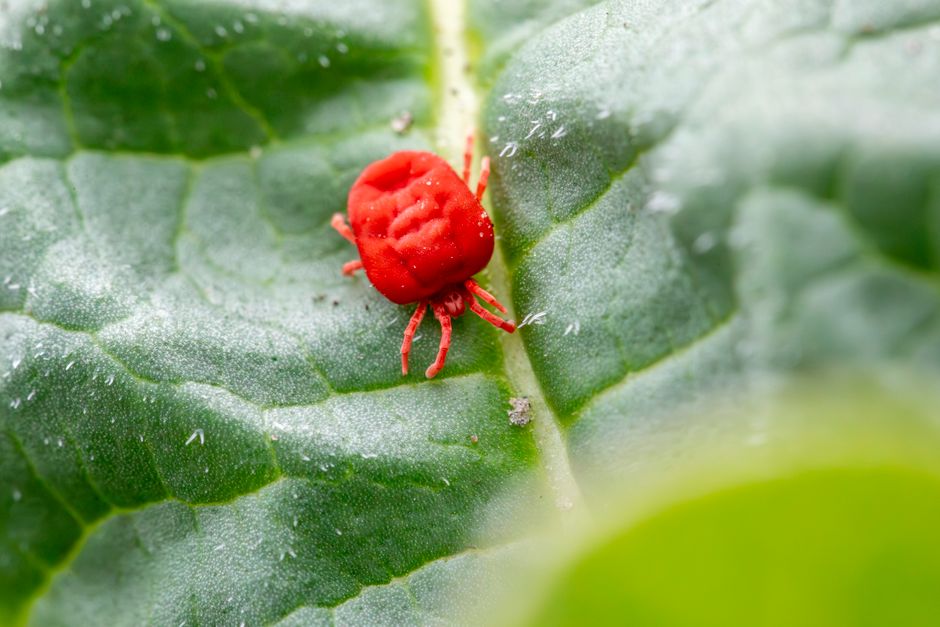
Dust mites are tiny, eight-legged creatures that live in household dust and feed on dead skin cells shed by people and pets. They are a common cause of year-round allergies and asthma symptoms. The most effective treatment involves reducing humidity, using allergen-proof covers on bedding, and washing sheets in hot water weekly.
What Exactly Are Dust Mites?
Dust mites are microscopic arachnids, meaning they are related to spiders and ticks. You cannot see them without a microscope. They measure about 0.2 to 0.3 millimeters long.
These creatures thrive in warm, humid environments. They do not bite, sting, or burrow into skin. Their problem for humans comes from their waste particles and decaying body fragments. These particles become airborne when you disturb dust — making a bed, sitting on a couch, or walking on a carpet.
The Centers for Disease Control and Prevention (CDC) states that dust mites are one of the most common triggers for allergies and asthma. They are found in nearly every home, but their numbers are highest in bedrooms and living areas where people spend the most time.
What Are the Most Common Symptoms of Dust Mite Allergy?
Symptoms are very similar to hay fever or a year-round cold. The key difference is they do not go away with a change of seasons.
Common symptoms include sneezing, a runny or stuffy nose, and itchy, red, or watery eyes. Many people also experience an itchy nose, roof of the mouth, or throat. Postnasal drip is also frequent, leading to a cough that is worse at night or early morning.
For people with asthma, dust mites can make breathing harder. The Asthma and Allergy Foundation of America reports that dust mite exposure can cause wheezing, chest tightness, and shortness of breath. Some people develop eczema flare-ups when their skin contacts dust mite allergens.
Symptoms are usually worst in the bedroom. This makes sense — you spend hours in bed while mites live in your mattress and pillows.
How Do You Know If Dust Mites Are the Cause?
You cannot diagnose a dust mite allergy just by looking at your home. Symptoms overlap with pollen allergies, pet dander allergies, and even the common cold.
An allergist can perform a skin prick test or a blood test. In a skin prick test, a small amount of dust mite allergen extract is placed on your skin. The skin is then lightly pricked. If a raised, itchy bump appears within 15 to 20 minutes, you are likely allergic. Blood tests measure the amount of specific antibodies your immune system produces in response to dust mites.
Many people assume they have a “dust allergy” without testing. But true dust allergy is almost always caused by dust mites, not the dust itself. Knowing the specific trigger matters because treatment changes. If you test positive for dust mites only, you can focus your efforts on a single target rather than trying to clean your entire house of everything.




What Treatments Actually Work for Dust Mite Allergy?
Treatment falls into three categories: reducing exposure, managing symptoms with medication, and immunotherapy.
Reducing exposure is the most effective long-term strategy. You cannot eliminate all dust mites, but you can lower their numbers enough to reduce symptoms. Key steps include:
- Using allergen-proof covers on mattresses, pillows, and box springs. These zippered covers block mites from escaping bedding and prevent new ones from getting in.
- Washing all bedding in water at least 130°F (54°C) every week. Cooler water does not kill mites.
- Keeping indoor humidity below 50 percent. A dehumidifier in the bedroom helps significantly.
- Removing carpets from bedrooms and replacing with hard flooring like wood or tile.
- Using a vacuum cleaner with a HEPA filter and wearing a mask while vacuuming.
Medications help control symptoms when exposure reduction is not enough. Antihistamines like cetirizine or loratadine reduce sneezing and itching. Nasal corticosteroid sprays like fluticasone are often more effective for stuffy noses. Decongestants can provide short-term relief for nasal congestion. Eye drops help with itchy, red eyes.
Immunotherapy offers a longer-term solution. Allergy shots (subcutaneous immunotherapy) involve regular injections of small amounts of dust mite allergen. Your immune system gradually becomes less sensitive. Sublingual immunotherapy (under-the-tongue tablets) is also available for dust mites. The FDA has approved a tablet called Odactra for this purpose. Research published in the Journal of Allergy and Clinical Immunology shows that immunotherapy can reduce symptoms for years after treatment ends.
A quick comparison of treatment approaches:
| Treatment Type | How It Works | Time to Effect | Duration |
|---|---|---|---|
| Exposure reduction | Lowers mite numbers in your environment | Weeks to months | Ongoing |
| Antihistamines | Blocks histamine release | 30-60 minutes | 12-24 hours per dose |
| Nasal sprays | Reduces nasal inflammation | Days to weeks | Daily use |
| Immunotherapy | Changes immune response to mites | Months to a year | Years after treatment |
No single treatment works for everyone. Most people need a combination of methods. Start with exposure reduction and over-the-counter medications. If symptoms persist, see an allergist about prescription options or immunotherapy.
What Common Misconceptions About Dust Mites Should You Ignore?
Several myths circulate online. Here is what the evidence actually shows.
Myth: Dust mites bite humans. They do not. They feed on dead skin cells, not blood. If you have itchy bites on your skin, the cause is something else — likely fleas, bed bugs, or a skin condition.
Myth: You can kill dust mites by freezing your bedding. Freezing does kill mites, but only if the temperature stays below 0°F (-18°C) for at least 24 hours. Most home freezers cannot maintain that temperature consistently. Even if they could, the dead mite bodies still cause allergic reactions. Hot water washing is far more practical.
Myth: Air purifiers alone solve the problem. Air purifiers with HEPA filters can remove airborne dust mite particles. But dust mites are heavy and do not stay airborne for long. They settle into carpets, bedding, and furniture. An air purifier helps, but it is not a replacement for washing bedding and reducing humidity.
Myth: You can get rid of dust mites completely. This is not realistic. Dust mites are in virtually every home. The goal is to reduce their numbers enough that your immune system stops reacting. Even in very clean homes, some mites remain.
Myth: Expensive cleaning products work better than simple methods. Some products claim to kill dust mites on contact. Research shows that washing with hot water and using allergen-proof covers is equally effective at a fraction of the cost. Chemical sprays can irritate airways and are not recommended by the American Academy of Allergy, Asthma & Immunology.
What Are the Best Practical Steps to Start Today?
You do not need to overhaul your entire home at once. Start with the bedroom. That is where you spend the most time and where mite exposure is highest.
Buy allergen-proof covers for your mattress and pillows. They cost about $20 to $40 each. Wash all your bedding in hot water this week. Set your water heater to at least 130°F if it is not already. Check your bedroom humidity with a simple hygrometer. If it is above 50 percent, get a dehumidifier.
Vacuum carpets and upholstered furniture with a HEPA-filter vacuum. If you have wall-to-wall carpet in the bedroom, consider replacing it with hard flooring when you can. Remove stuffed animals from the bed or wash them weekly in hot water.
For symptom relief, try an over-the-counter antihistamine or nasal spray. If your symptoms are mild, start with one medication and see how you respond. If they are moderate or severe, see an allergist for testing and a personalized plan.
The evidence is clear: consistent, simple steps work better than expensive, complicated ones. You do not need to buy special cleaning products or hire professionals. You need hot water, allergen-proof covers, humidity control, and patience.
Frequently Asked Questions
Can dust mites live in memory foam mattresses?
Yes, dust mites can live in memory foam mattresses. The foam itself is not a food source, but dead skin cells accumulate on the surface and in the crevices, providing ample food for mites.
How often should I wash my pillows to control dust mites?
Wash pillows every two to three months in hot water above 130°F. Use an allergen-proof cover underneath the pillowcase for continuous protection.
Do dust mites die in the winter?
Dust mites do not die in the winter, but their numbers drop when indoor humidity falls below 50 percent. They survive by hiding in bedding and upholstery where body heat and moisture keep conditions favorable.
Can dust mites cause skin rashes?
Yes, dust mites can trigger eczema or contact dermatitis in some people. The rash usually appears as red, itchy patches on areas that touch bedding or upholstered furniture.
