
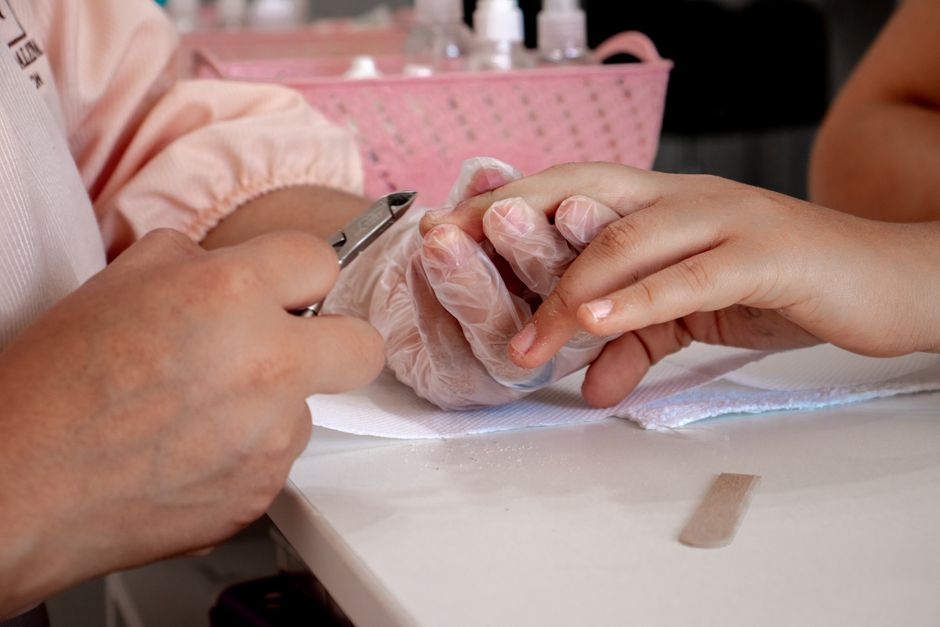
Nail biting is one of the most common habits in the world, and for many people, it is directly linked to anxiety. While it can happen out of boredom or simple habit, anxiety is a frequent and well-documented trigger. The behavior is technically called onychophagia, and it often serves as a way to release nervous energy or to cope with stress. It is not a formal diagnosis on its own, but it is a recognized sign that a person may be struggling with anxiety or another emotional condition.
What Is Nail Biting a Symptom Of?
Nail biting is classified as a body-focused repetitive behavior, or BFRB. This category also includes skin picking, hair pulling, and lip biting. These behaviors share a common thread: they involve repeated actions directed at the body that can cause physical damage.
Anxiety is the most commonly cited emotional trigger. When a person feels nervous or stressed, the body produces a surge of adrenaline. Nail biting can act as a physical release valve for that excess energy. It may also serve as a distraction from uncomfortable thoughts or feelings.
However, anxiety is not the only cause. Some people bite their nails when they are bored, frustrated, or even deeply focused on a task. In these cases, the behavior may be more about stimulation than stress relief. The same action can serve different purposes for different people, and even different purposes for the same person at different times.
How Anxiety Triggers the Urge to Bite
The link between anxiety and nail biting comes down to the brain’s reward system. When you bite your nails, the physical sensation can briefly interrupt the feeling of anxiety. This provides a short moment of relief, which reinforces the habit.
Over time, the brain begins to associate the act of biting with feeling better. This creates a loop. You feel anxious, you bite, you feel a brief release, and then the anxiety returns. The cycle repeats, and the habit becomes deeply ingrained.
There is also a sensory component. Some research suggests that people who bite their nails are seeking sensory input. The pressure and texture of biting can be calming for a nervous system that feels overwhelmed. This is similar to why some people find fidgeting or chewing gum soothing.
It is important to note that the relief is temporary. Nail biting does not reduce the underlying anxiety. It only masks the feeling for a short period, and it often adds new stress like embarrassment or physical pain.
Is Nail Biting a Symptom of Anxiety or a Separate Condition?
This is a common question, and the answer depends on the individual. For some people, nail biting is clearly a symptom of an anxiety disorder. They only bite when they feel stressed, and the behavior stops when their anxiety is managed.
For others, nail biting is a standalone habit that persists even when anxiety is not present. It may have started in childhood as a response to stress, but over time it became an automatic behavior. In these cases, it is less a symptom and more a deeply established habit.
There is also overlap with obsessive-compulsive disorder, or OCD. Some experts view BFRBs as related to OCD because both involve repetitive behaviors that are difficult to control. However, nail biting is not classified as OCD in the diagnostic manual. It is listed under the category of other specified obsessive-compulsive and related disorders.
The distinction matters for treatment. If nail biting is driven by anxiety, treating the anxiety often resolves the habit. If it is a standalone habit, behavioral strategies may be more effective.





What Nail Biting Looks Like in Daily Life
Nail biting ranges from mild to severe. Some people bite only the tips of their nails and stop before causing damage. Others bite to the point of bleeding, infection, or permanent nail deformity.
Common signs that nail biting has moved beyond a simple habit include:
- Bitten nails that are uneven, short, or ragged
- Bleeding or soreness around the nail bed
- Swelling, redness, or signs of infection
- Damage to the cuticles or surrounding skin
- Difficulty using hands for fine motor tasks
- Feelings of shame or embarrassment about the appearance of the hands
Many people bite their nails without realizing they are doing it. The behavior can happen automatically while watching television, working, or reading. This makes it harder to stop, because you cannot interrupt a behavior you do not notice.
Nail biting can also affect physical health. The hands carry many bacteria, and biting nails can transfer those germs to the mouth. This increases the risk of infections, including colds and gastrointestinal issues. In rare cases, biting can damage the teeth or gums over time.
How to Stop Biting Nails When Anxiety Is the Cause
If anxiety is driving the habit, the most effective approach is to address the anxiety itself. This may involve therapy, medication, or lifestyle changes. Cognitive behavioral therapy, or CBT, is particularly helpful because it teaches you to recognize triggers and develop healthier responses.
For the nail biting specifically, behavioral strategies can help break the cycle. One of the most common approaches is habit reversal training. This involves learning to notice the urge to bite and replacing it with a competing behavior, such as squeezing a stress ball or pressing your fingertips together.
Other practical strategies include:
- Keeping nails trimmed short so there is less to bite
- Applying bitter-tasting nail polish designed to deter biting
- Wearing gloves or bandages on the fingertips
- Using fidget toys to keep the hands busy
- Practicing mindfulness to catch the behavior early
These strategies work best when combined with anxiety management. If you only address the nail biting, the anxiety may find another outlet. Many people report that when they successfully reduce their anxiety, the urge to bite naturally decreases.
There is no single timeline for stopping. Some people see improvement within weeks, while others need months of consistent effort. The key is to be patient and to treat setbacks as part of the process rather than a failure.
When to Seek Professional Help
Occasional nail biting does not usually require professional treatment. But there are situations where help is warranted.
You should consider speaking with a healthcare provider if the nail biting is causing physical damage, such as bleeding, infection, or pain. You should also seek help if the behavior is interfering with your daily life or causing significant distress.
If you suspect the nail biting is tied to an anxiety disorder, it is worth discussing this with a doctor or mental health professional. Anxiety disorders are highly treatable, and addressing the root cause often resolves the associated behaviors.
There are no medications approved specifically for nail biting. However, medications used to treat anxiety or OCD may help reduce the urge to bite in some people. These are prescription medications, and they should only be used under the guidance of a healthcare provider.
It is also worth noting that nail biting can appear in children as young as three or four years old. In most cases, it is a phase that resolves on its own. If it persists into the teenage years or causes physical harm, a pediatrician can offer guidance.
The Difference Between a Habit and a Mental Health Condition
It is easy to worry that nail biting means something serious is wrong. For most people, that is not the case. Nail biting is a common behavior that many people do without any underlying mental health condition.
The key question is whether the behavior is causing harm. If it is a minor habit that you barely notice, it may not be worth the effort to stop. If it is causing pain, embarrassment, or interfering with your life, it is worth addressing.
Anxiety is a real and common trigger, but it is not the only explanation. Boredom, perfectionism, and even genetics can play a role. Research suggests that BFRBs tend to run in families, which points to a genetic component.
Ultimately, nail biting is best understood as a behavior with multiple causes. Anxiety is one of them, and for many people it is the most important one. But the habit can exist independently of anxiety, and it can also persist after anxiety has been successfully treated.
Frequently Asked Questions
Can nail biting be a sign of anxiety?
Yes, nail biting is a recognized sign of anxiety in many people. It is classified as a body-focused repetitive behavior that often serves as a coping mechanism for nervous energy.
Is nail biting a mental illness?
Nail biting is not classified as a mental illness on its own. It is considered a behavior that can be associated with anxiety, OCD, or other conditions, but most people who bite their nails do not have a diagnosable mental health disorder.
What vitamin deficiency causes nail biting?
There is no strong clinical evidence linking nail biting to any specific vitamin deficiency. This idea circulates online, but no reliable research has confirmed a connection.
How long does it take to stop biting nails?
There is no fixed timeline, but many people see noticeable improvement within a few weeks of consistent effort. The process usually takes longer when anxiety is the underlying trigger and is not being addressed.
