
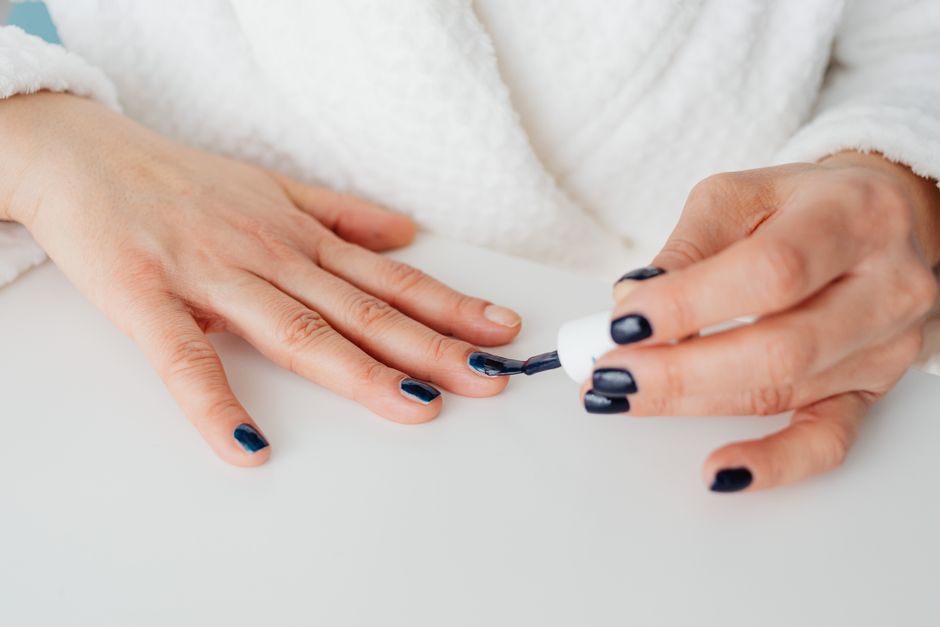
Nail polish on skin is a common annoyance, but it is easy to remove with the right approach. The safest method is to gently rub the area with an acetone-based nail polish remover on a cotton ball or pad. If you do not have remover, rubbing alcohol or a small amount of acetone can work. Always wash the area with soap and water afterward to remove residue.
What Is the Fastest Way To Get Nail Polish Off Skin?
The fastest method is acetone-based nail polish remover. Acetone dissolves the polymers in nail polish quickly, usually within seconds to a minute. Soak a cotton ball or pad with remover and press it against the polish for a few seconds. Then wipe gently. The polish should lift away without hard scrubbing.
If the polish has dried completely, it may take slightly longer. Let the remover sit on the skin for 10 to 15 seconds before wiping. For thick layers, you may need to repeat the process. Avoid rubbing aggressively. The skin on your fingers and hands is delicate, and friction can cause irritation.
Acetone works because it breaks down the chemical bonds in the polish film. This is the same reason it is used in most commercial removers. Non-acetone removers contain solvents like ethyl acetate or isopropyl alcohol. They work more slowly and may not fully dissolve some long-wear or gel formulas.
How To Get Nail Polish Out Of Skin Step By Step
Follow these steps for clean skin without damage.
- Step 1: Gather supplies. You need an acetone-based nail polish remover, cotton balls or pads, a paper towel, and mild soap and water.
- Step 2: Soak a cotton ball with remover. Do not pour remover directly onto your skin.
- Step 3: Press the soaked cotton ball against the polish for 10 to 15 seconds. This lets the solvent soften the polish.
- Step 4: Wipe gently in one direction. Do not scrub back and forth. If polish remains, use a fresh cotton ball.
- Step 5: Wash the area with mild soap and lukewarm water. This removes any leftover solvent.
- Step 6: Pat dry and apply a gentle moisturizer. Acetone can strip natural oils from the skin.
If you are removing polish from a larger area, like around a nail edge or cuticle, use a cotton swab dipped in remover for precision. This prevents spreading the solvent to healthy skin.
What If You Do Not Have Nail Polish Remover?
You can use rubbing alcohol (isopropyl alcohol) as a substitute. It is less effective than acetone but can break down thin layers of polish. Soak a cotton ball with rubbing alcohol and follow the same steps. You may need to repeat the process more times.
Hand sanitizer with a high alcohol content can also work in a pinch. It contains ethanol or isopropyl alcohol, which can soften polish. Again, expect it to take longer than acetone.
Some people try vinegar or lemon juice. These are not effective solvents for nail polish. They may slightly soften the surface but will not dissolve the polish film. Do not waste time with them if you want fast results.
Never use harsh household chemicals like paint thinner, acetone-free paint removers, or gasoline on your skin. These can cause chemical burns, dryness, and serious irritation. They are not formulated for skin contact.





Is Acetone Safe for Your Skin?
Acetone is safe for most people when used occasionally on small areas of skin. It is a common ingredient in nail polish removers and is approved for cosmetic use. However, it can cause dryness, redness, or irritation in people with sensitive skin or eczema.
If you have sensitive skin, test a small amount of remover on a less visible area first. Wait a few minutes to see if redness or itching develops. If it does, wash it off and do not use it again.
Acetone should not be used on broken skin, cuts, or open wounds. It can sting and may delay healing. It is also not recommended for people with certain skin conditions like psoriasis or dermatitis without checking with a doctor.
For those who want to avoid acetone, non-acetone removers are available. They are gentler but may not work as quickly on long-wear or gel polishes. Some evidence suggests that non-acetone removers are less drying, but they still contain solvents that can irritate sensitive skin.
How To Remove Gel or Long-Wear Polish From Skin
Gel polish and long-wear formulas are more resistant to standard removers. They are designed to adhere strongly to the nail and can be harder to dissolve. For skin, you still use acetone, but you may need to let it sit longer.
Soak a cotton ball with pure acetone or a high-acetone remover. Press it against the polish for 30 to 60 seconds. Then wipe firmly but gently. You may need to repeat this two or three times. Do not pick or peel the polish off. That can damage the top layer of skin.
If the polish is on your cuticles or surrounding skin, use a wooden cuticle stick after soaking. Gently push the softened polish away. Never dig into the skin.
Some gel polishes require filing to break the top coat before removal. Do not file your skin. If the polish is on your skin, filing will only cause abrasions. Stick to solvent-based removal.
What Should You Do If Polish Gets on Sensitive Areas?
If nail polish gets on sensitive areas like the face, lips, or near the eyes, do not use acetone. Acetone is too harsh for these areas and can cause severe irritation or burning. For the face, use a gentle oil-based cleanser or makeup remover. Massage it into the polish and wipe with a soft cloth. Repeat as needed.
For lips, use a lip balm or petroleum jelly. Apply a thick layer and let it sit for a minute. Then wipe gently with a tissue. The polish may not come off completely in one try. Be patient and avoid scrubbing.
If polish gets in your eye, flush with lukewarm water for 15 minutes. Do not use any remover near the eye. Seek medical attention if irritation persists.
For skin folds or areas with thin skin, like between fingers, use a cotton swab with remover. Be precise and avoid dripping. Wash thoroughly afterward.
How To Prevent Nail Polish From Getting on Skin
Prevention is easier than removal. Apply a thin layer of petroleum jelly around the nail before painting. This creates a barrier. If polish gets on the skin, it wipes off easily without solvent.
Use a clean-up brush dipped in remover to fix edges while the polish is still wet. This is a common technique among nail technicians. It gives a clean line without affecting the painted nail.
Paint your nails in thin coats rather than one thick layer. Thick coats are more likely to flood the cuticles and skin. Let each coat dry before adding the next.
If you are painting with your non-dominant hand, rest your wrist on a table for stability. This reduces shaky strokes that get polish on the skin.
When To See a Doctor
Skin reactions to nail polish or remover are uncommon but possible. See a doctor if you develop a rash, blisters, swelling, or persistent redness after using remover. These could be signs of an allergic reaction or contact dermatitis.
If you accidentally ingest nail polish or remover, call Poison Control immediately. Do not induce vomiting. Keep the product container nearby to tell the operator what was swallowed.
If polish gets into a cut or wound, wash with soap and water and monitor for signs of infection like increased pain, warmth, or pus. Seek medical care if these develop.
Frequently Asked Questions
Can I use acetone to remove nail polish from my skin?
Yes, acetone-based nail polish remover is the most effective method for skin. Apply it with a cotton ball, press for a few seconds, then wipe gently.
What can I use if I don’t have nail polish remover?
Rubbing alcohol or high-alcohol hand sanitizer can work as substitutes. They are slower than acetone and may require more repetitions.
Is it safe to use nail polish remover on my face?
No, acetone-based removers are too harsh for facial skin. Use a gentle oil-based cleanser or makeup remover instead.
How do I get gel polish off my skin?
Soak a cotton ball with acetone and press it against the polish for 30 to 60 seconds. Wipe gently and repeat if needed. Do not pick or peel the polish.
