
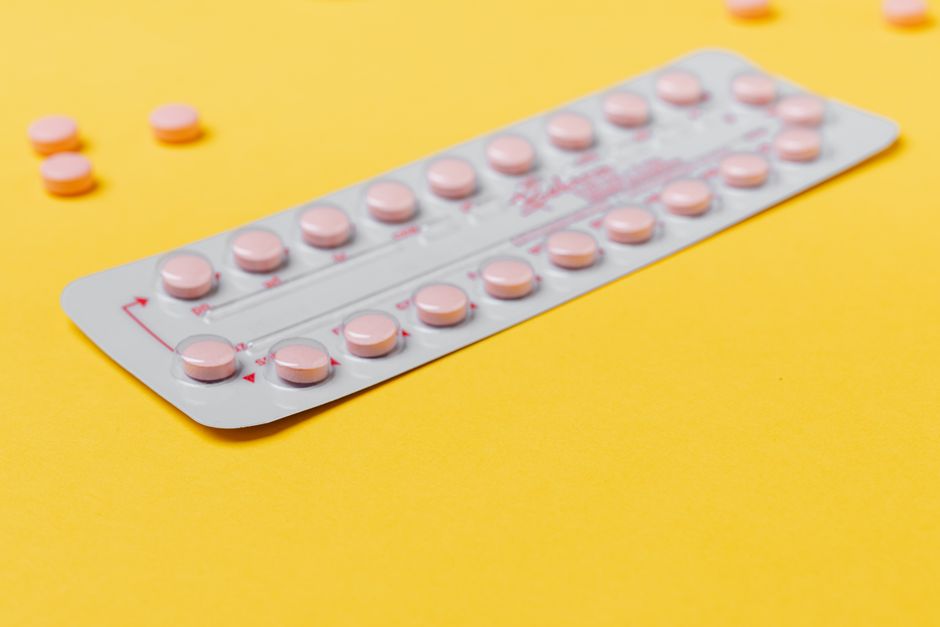
Hair loss is a frustrating experience, and when you are on birth control, it is natural to wonder if the pill is the culprit or the cure. The short answer is that birth control does not treat hair loss, and for some women, it can actually trigger it. The relationship depends entirely on the type of birth control, your genetics, and the specific hormones involved.
How Birth Control Affects Hair Growth
Hair grows in cycles. The growth phase lasts for years. The resting phase lasts for a few months before the hair falls out. Hormones influence these cycles directly.
Estrogen and progestin are the two hormones in most birth control pills. Estrogen typically prolongs the growth phase of hair. This is why many women report thicker, fuller hair during pregnancy when estrogen levels are high. Progestin, however, can act differently depending on its chemical structure.
Some progestins have androgen-like effects. Androgens are male hormones that can shrink hair follicles over time. If you are genetically sensitive to androgens, a progestin with these properties can speed up hair thinning. This is the same mechanism behind male-pattern baldness, just triggered by the pill instead of natural hormones.
Can Birth Control Cause Hair Loss?
Yes, birth control can cause hair loss, but it is not common. The medical term for this is telogen effluvium. This condition occurs when stress or a hormonal shift pushes a large number of hair follicles into the resting phase at the same time. Several months later, those hairs shed together.
This type of shedding usually begins two to four months after starting a new pill. It can also happen when you stop taking birth control. The sudden drop in estrogen after stopping the pill can trigger the same shedding response.
Women with a family history of female pattern hair loss face a higher risk. If you carry the genes for androgen sensitivity, starting a high-androgen birth control pill can accelerate the process. The hair loss may become permanent if the follicles shrink for too long.
Which Types of Birth Control Are Safer for Hair?
Not all birth control is created equal when it comes to hair. The key difference lies in the type of progestin used.
Older progestins like levonorgestrel and norgestrel have higher androgen activity. These are found in many combination pills and some hormonal IUDs. For women prone to hair loss, these are not the best choice.
Newer progestins such as drospirenone and norgestimate have lower androgen activity. Some have anti-androgen effects, meaning they block androgens from binding to hair follicles. Pills containing drospirenone are sometimes prescribed off-label to help with hormonal hair loss, though this is not their primary approved use.
The estrogen dose also matters. Higher estrogen doses can help counteract the androgen effects of the progestin. Low-dose pills may not provide enough estrogen to balance a strong progestin.




Does Birth Control Help Hair Loss From Hormonal Imbalances?
For some women, yes. If you have polycystic ovary syndrome or another condition that causes excess androgens, birth control can help. The estrogen in the pill suppresses ovarian androgen production. It also increases sex hormone-binding globulin, a protein that traps free androgens in the blood.
When androgen levels drop, hair thinning on the scalp can slow down. Some women also see a reduction in unwanted facial or body hair. This effect is real and well documented in medical literature.
The catch is that this benefit only applies to hair loss caused by hormonal excess. If your hair loss comes from genetics, stress, nutritional deficiency, or thyroid disease, birth control will not help. It might even make genetic hair loss worse by adding another hormonal variable.
Doctors sometimes prescribe combination birth control pills specifically for women with PCOS-related hair thinning. The pill is not approved by the FDA for this purpose, but it is a common clinical practice supported by years of experience and observational studies.
What the Research Actually Shows
Clinical evidence on birth control and hair loss is limited. Most of what we know comes from clinical observation rather than large randomized trials. This makes it hard to give precise risk numbers.
Some studies indicate that anti-androgenic progestins like drospirenone may improve hair density in women with PCOS. Other research suggests that stopping a high-androgen pill can reverse hair shedding within six to twelve months. However, no large human trials have directly compared different birth control methods head-to-head for hair outcomes.
The evidence is strongest for the link between high-androgen progestins and hair thinning. Multiple dermatology reviews have identified these formulations as a risk factor for women with a genetic predisposition. The evidence is weaker for the idea that birth control can reliably grow hair in women without a hormonal condition.
One important point: if you notice hair loss while on the pill, do not stop taking it abruptly. Sudden withdrawal can cause another round of shedding. Talk to your doctor about switching to a lower-androgen option instead.
What to Do If You Notice Hair Loss on Birth Control
First, see a doctor. Hair loss has many causes, and birth control is only one possibility. Your doctor can check your thyroid, iron levels, and vitamin D. These deficiencies are common and treatable.
If your doctor suspects the pill is the cause, switching formulations is the typical next step. Your doctor may recommend a pill with drospirenone or a non-hormonal method like the copper IUD. The copper IUD contains no hormones at all, so it will not affect hair growth.
Be patient after switching. Hair grows slowly. It can take six months to a year to see meaningful improvement. The shedding should stop first, followed by new growth over the following months.
Do not use birth control as a hair treatment. If your goal is hair regrowth, other options are more effective. Topical minoxidil is the most studied treatment for female pattern hair loss. Spironolactone, an oral medication that blocks androgens, is another option your doctor might discuss. These treatments are not appropriate for everyone, and they require a prescription and medical supervision.
Birth Control Methods Compared for Hair Impact
| Method | Androgen Activity | Likely Hair Impact |
|---|---|---|
| Combination pill with levonorgestrel | High | May worsen thinning in sensitive women |
| Combination pill with norgestimate | Low | Lower risk of hair thinning |
| Combination pill with drospirenone | Anti-androgen | May help hormonal hair loss |
| Progestin-only pill | Varies | Depends on the specific progestin |
| Hormonal IUD | Varies | Some users report shedding |
| Copper IUD | None | No hormonal effect on hair |
This table is a general guide. Individual responses vary widely. Your genetics, age, and overall health all play a role in how your body reacts to any hormonal method.
When to See a Dermatologist
See a dermatologist if you notice sudden or patchy hair loss. See one if your part is widening or if you are shedding more hair than usual when you brush or wash. These signs may indicate a condition that needs specific treatment.
A dermatologist can perform a scalp examination and sometimes a biopsy to determine the exact cause of your hair loss. They can also rule out scarring alopecia, a condition that requires prompt treatment to prevent permanent damage.
Hair loss is distressing, but it is rarely dangerous. Most causes are treatable or reversible once identified. The key is getting an accurate diagnosis before you change your birth control or start any new treatment on your own.
Frequently Asked Questions
Can switching birth control pills stop hair loss?
Switching to a lower-androgen pill can stop hair loss if the pill was the cause. Improvement typically takes several months as your hair cycle adjusts.
How long after stopping birth control does hair loss stop?
Shedding usually stops within three to six months after stopping the pill. Full regrowth can take up to a year.
Does the birth control shot cause more hair loss than the pill?
The shot uses a progestin called depot medroxyprogesterone acetate, which has some androgen activity. Some users report hair thinning, but no large studies have confirmed it causes more hair loss than the pill.
Can birth control help regrow hair on the edges of the scalp?
No. Birth control does not regrow hair in specific areas. It only changes hormone levels throughout the body, and any effect on hair is systemic rather than targeted.
