
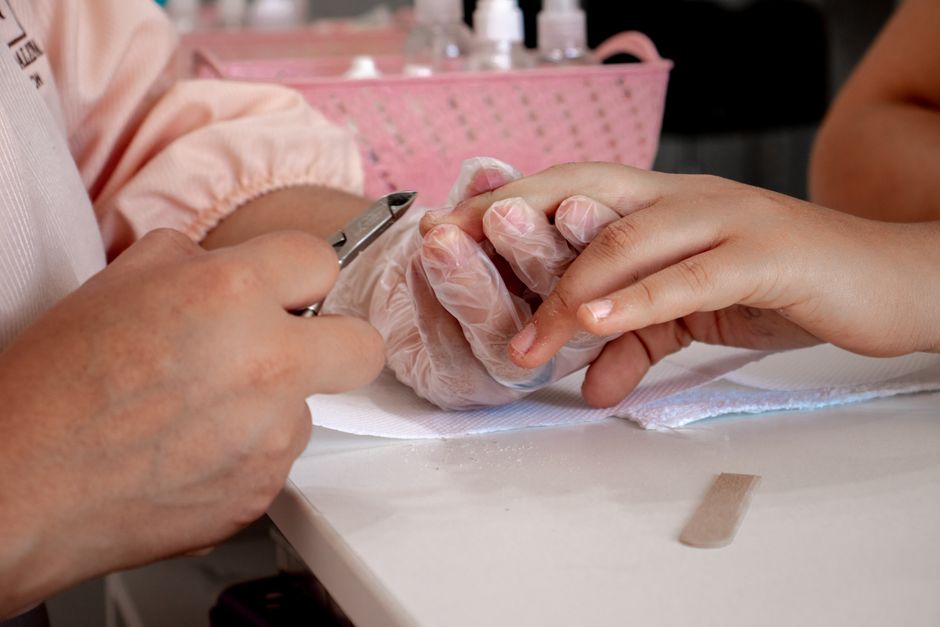
Nail biting sits in an odd space. It can be a harmless habit a person barely notices, or it can be a repetitive behavior that causes real damage and feels almost impossible to stop. The clinical answer is that nail biting is not a disease in itself, but it can be a diagnosable condition. In the psychiatric reference manual used by clinicians, severe nail biting falls under a group of behaviors called “other specified disruptive, impulse-control, and conduct disorders.” For most people it is a habit. For some, it meets the criteria for a disorder.
Is Nail Biting A Disorder Or Just A Bad Habit?
Both descriptions can be true, and which one applies depends on how much it affects the person’s life. The medical name for nail biting is onychophagia. When it is occasional and mostly cosmetic, clinicians treat it as a habit. When it is frequent, hard to control, and causes injury or distress, it can be classified as a body-focused repetitive behavior.
Body-focused repetitive behaviors are a category that includes hair pulling, skin picking, and nail biting. These behaviors share a pattern: the person repeats a self-directed action, often without full awareness, and the action can cause tissue damage. Clinicians look at three things before deciding whether a label fits.
- How often the behavior happens and how long it has gone on
- Whether the person has tried and failed to stop
- Whether it causes physical harm, emotional distress, or problems in daily life
Someone who bites a hangnail during a stressful meeting is not in the same category as someone who bites until fingers bleed every day and feels ashamed about it. The behavior looks similar. The clinical significance does not.
What Causes Nail Biting?
There is no single cause. Nail biting tends to run in families, which suggests some genetic contribution, though researchers have not identified a specific gene. It also appears alongside anxiety, but the relationship is not simple. Anxiety can trigger the behavior, and the behavior itself may briefly reduce tension, which helps explain why it repeats.
Nail biting often starts in childhood. Many children who bite their nails stop on their own as they get older. For others, the pattern continues into adulthood and becomes more automatic. Some people bite without noticing at all, then look down and see what they have done.
Boredom, frustration, and concentration can all set off the behavior, not just stress. Some people bite while reading, watching television, or working through a difficult task. This is one reason the habit can be so stubborn. It is tied to many different situations rather than one clear trigger.
Nail biting is also more common in people who have other repetitive body behaviors, such as hair pulling or skin picking. This clustering suggests that some people are more prone to this general pattern of self-directed repetitive action.
When Does Nail Biting Become A Medical Concern?
Severity is the dividing line. A person who occasionally bites their nails and does not think much about it is not in medical territory. A person who bites compulsively and cannot stop, even when they want to, may be.
Signs that nail biting has moved beyond a simple habit include:
- Biting that causes bleeding, pain, or open wounds around the nails
- Damage to the cuticles, nail bed, or surrounding skin
- Repeated attempts to stop that do not work
- Feeling embarrassed or avoiding showing the hands in public
- Biting during times when it is socially inappropriate or disruptive
There is a real physical risk beyond appearance. Broken skin around the nails is an entry point for bacteria. Biting can introduce germs from the mouth into small wounds, and it can also transfer germs from the fingers into the mouth. In rare cases, infections around the nail can become serious, particularly in people with weakened immune systems or diabetes.
Dental problems are another concern. Long-term nail biting can chip teeth, stress the jaw, and in some cases contribute to problems with the temporomandibular joint. These effects usually develop over years of frequent biting, not from occasional nibbling.





Why Is Nail Biting So Hard To Stop?
The behavior is often automatic, which is what makes it difficult to break. By the time a person notices they are biting, the action is already happening. Habits that run on autopilot are harder to interrupt than habits a person consciously chooses each time.
There is also a feedback loop. For some people, biting reduces tension or provides a brief sense of relief. That relief reinforces the behavior, so the brain learns to reach for it again. This is not a sign of weakness. It is how habit loops work in general.
Nail biting can also serve as a way to manage uncomfortable emotions without the person realizing it. Frustration, restlessness, and even intense focus can all feed the pattern. Because the trigger is not always obvious, willpower alone often fails.
One point that is often missed: nail biting is not simply a nervous habit that disappears once a person relaxes. For many people it persists even during calm periods, which is part of why it is classified as a repetitive behavior rather than only an anxiety symptom.
What Actually Helps People Stop Biting Their Nails?
No single approach works for everyone, and the evidence base is not as strong as it is for many other conditions. That is worth stating plainly. Some methods are supported by clinical research, while others are widely recommended but have thinner evidence behind them.
Approaches with at least some research support include:
- Habit reversal training. This is a behavioral therapy that teaches a person to notice the urge or the moment before biting and substitute a different action, such as clenching the fists or pressing the fingertips together.
- Awareness training. This focuses on helping a person catch the behavior in real time, since much of it happens outside awareness.
- Stimulus control. This means changing the situations that trigger biting, such as keeping nails trimmed short or covering them.
Some clinicians also use a technique called decoupling, in which a person learns to perform a different movement with the hands when the urge appears. The evidence for decoupling is still developing, so it is best described as promising rather than proven.
Bitter-tasting nail polishes are a common over-the-counter option. They may help some people, mainly by making the person more aware of the behavior. The evidence for them is limited, and they do not address the underlying urge.
For people whose nail biting is tied to significant anxiety or another mental health condition, treating that condition may reduce the behavior. This is a decision for a clinician, not something to self-diagnose.
If biting is causing infections, bleeding, or serious distress, it is reasonable to talk with a doctor or a mental health professional. This is not an overreaction. Body-focused repetitive behaviors are recognized conditions, and trained clinicians treat them.
Does Nail Biting Ever Go Away On Its Own?
For many children, yes. Nail biting often starts in childhood and fades as the person matures. For adults who have bitten for years, it tends to be more persistent and less likely to disappear without some effort.
This does not mean it is permanent. It means the pattern is more established and may need a structured approach rather than waiting for it to pass. Relapses are common, and a return to biting after a period of stopping does not mean the attempt failed. It usually means the triggers are still present and need to be addressed.
Progress is often gradual. Reducing how often the behavior happens is a meaningful step, even if it does not stop completely right away.
Is Nail Biting A Sign Of A Deeper Problem?
Sometimes it is linked to anxiety, stress, or another repetitive behavior, and sometimes it is not. Nail biting on its own does not point to a specific underlying disorder. It is a behavior that can appear with many different mental health conditions or with none at all.
What matters clinically is the pattern, not the presence of the behavior alone. A clinician would look at how long it has been happening, how much control the person has, and whether it causes harm. Those factors decide whether it is treated as a habit or as a condition that deserves clinical attention.
The honest summary is this. Nail biting is common and often minor. It is also a recognized behavior that can become a genuine disorder when it is severe, compulsive, or damaging. The label depends on the person, not the behavior in isolation.
Frequently Asked Questions
Is nail biting a mental disorder?
Severe nail biting can be classified as a body-focused repetitive behavior under a broader diagnostic category in standard psychiatric references. Mild or occasional nail biting is generally treated as a habit, not a disorder.
What is the medical term for nail biting?
The medical term is onychophagia. It refers to the habit of biting the nails, cuticles, or surrounding skin.
Can nail biting cause health problems?
Yes. Frequent biting can break the skin around the nails, which creates a risk of infection, and over time it can damage teeth and the jaw. These effects are more likely with severe, long-term biting.
How do you stop biting your nails for good?
Behavioral approaches such as habit reversal training have the most research support, though no method works for everyone. If biting causes bleeding, infection, or serious distress, talking with a clinician is a reasonable next step.
