
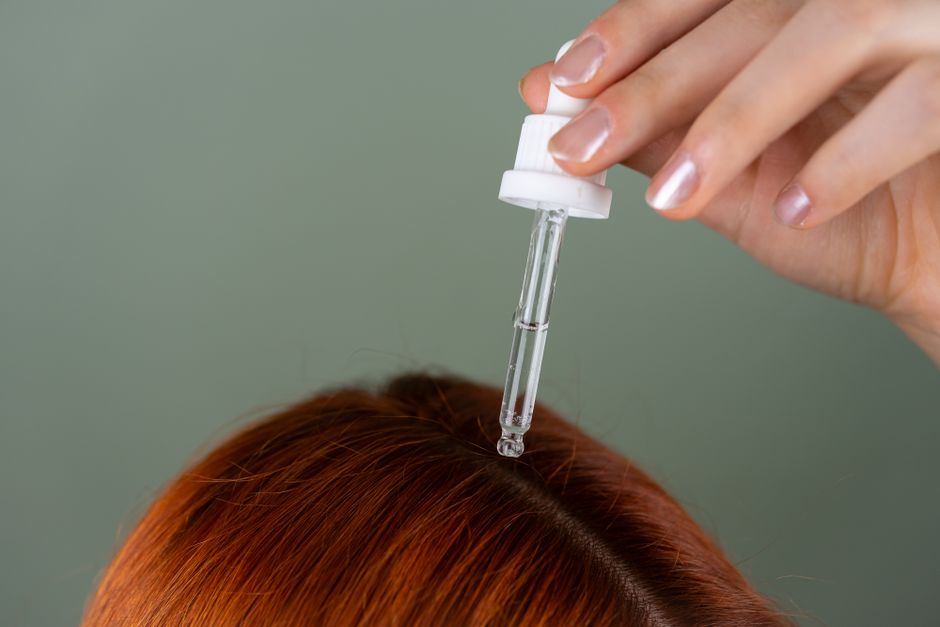
Myrrh has been used in traditional medicine for thousands of years, but its role in modern hair care is only now being studied closely. The short answer is that myrrh shows promise for scalp health due to its anti-inflammatory and antimicrobial properties, but direct evidence that it grows hair is limited. Research suggests myrrh can improve the scalp environment where hair grows, which may indirectly support healthier hair, but it is not a proven hair growth treatment like minoxidil or finasteride.
What Is Myrrh and How Does It Work on the Scalp?
Myrrh is a resin that comes from trees in the Commiphora genus, native to Africa and the Middle East. The resin has been used for centuries in traditional medicine, religious ceremonies, and perfumes. Modern research has identified several active compounds in myrrh, including terpenoids and sesquiterpenes, which have documented biological effects.
The key mechanisms relevant to scalp health are anti-inflammatory activity and antimicrobial action. Inflammation is a known factor in several scalp conditions, including dandruff and seborrheic dermatitis. When the scalp is inflamed, hair follicles can be affected, and hair shedding may increase.
Some research suggests that compounds in myrrh can reduce inflammatory markers in skin tissue. This matters because a calmer scalp is generally a healthier environment for hair follicles. However, reducing inflammation is not the same as stimulating new hair growth. The distinction is important when evaluating any hair product.
Is Myrrh Good For Hair Growth And Scalp Health?
Myrrh appears to be genuinely useful for scalp health, but its role in hair growth is indirect. The evidence supports myrrh as an antimicrobial and anti-inflammatory agent. These properties can help manage scalp conditions that interfere with healthy hair. When dandruff, itching, or mild inflammation is controlled, the hair that grows may be healthier and less likely to fall out prematurely.
What the evidence does not show is that myrrh directly stimulates hair follicles to produce new hair. No large clinical trials have demonstrated that myrrh alone regrows hair in people with pattern baldness or other forms of hair loss. Products that claim myrrh “activates” dormant follicles are making claims that go beyond current research.
Think of myrrh as a scalp conditioner rather than a hair growth drug. It may support the environment where hair grows, but it does not appear to be the primary driver of new growth.
What the Research Actually Shows
Several laboratory studies have examined myrrh’s effects on skin and hair. Some research published in the Journal of Ethnopharmacology and similar journals has identified anti-inflammatory compounds in myrrh. Other studies have confirmed its antimicrobial activity against bacteria and fungi that can affect the scalp.
One area of emerging interest is myrrh’s potential effect on blood circulation. Traditional medicine has long used myrrh as a warming agent that promotes circulation. Improved blood flow to the scalp could theoretically support hair follicle health, since follicles need oxygen and nutrients delivered through blood. However, no controlled trials have confirmed that myrrh applied to the scalp meaningfully increases local blood flow enough to affect hair growth.
Research on animals has shown some wound-healing benefits from myrrh. Faster wound healing on the scalp could theoretically help after injury or irritation. Again, this is a far cry from demonstrating hair regrowth in humans.
The honest summary is this: myrrh has plausible biological mechanisms that could support scalp health. Clinical evidence for direct hair growth is absent. Some studies suggest, but none prove, that myrrh contributes to better hair outcomes.



Common Scalp Conditions Myrrh May Help
Myrrh’s antimicrobial and anti-inflammatory properties make it most relevant for certain scalp conditions. Understanding which conditions it may help clarifies when it is worth trying.
Dandruff is often caused by an overgrowth of Malassezia yeast. Some research indicates myrrh has antifungal activity that could help control this yeast. Clinical trials specifically testing myrrh for dandruff are limited, but the mechanism is biologically plausible.
Seborrheic dermatitis is a more severe form of dandruff with visible redness and scaling. Anti-inflammatory compounds in myrrh could help reduce the redness and irritation. The evidence here is preliminary, based mostly on laboratory studies rather than human trials.
Mild scalp irritation from products, weather, or friction might respond to myrrh’s soothing properties. Traditional use supports this, and the anti-inflammatory mechanism is documented.
These potential benefits are modest. Myrrh is not a substitute for medicated treatments like ketoconazole shampoo or prescription corticosteroids. For mild cases, myrrh might be a reasonable complementary option. For moderate to severe scalp conditions, medical treatment is still the standard of care.
How Myrrh Is Used in Hair Products
Myrrh appears in several forms in hair care products. The most common is myrrh essential oil, which is highly concentrated and must be diluted before use. Some products contain myrrh extract, which is less concentrated. Traditional preparations sometimes use the raw resin steeped in carrier oils.
When using myrrh essential oil, dilution is essential. Essential oils are potent and can cause skin irritation when applied undiluted. A common dilution is a few drops of essential oil per tablespoon of carrier oil, such as jojoba, coconut, or argan oil. No clinical guidelines exist for myrrh oil dilution specifically, so general essential oil safety practices apply.
Products that combine myrrh with other botanical ingredients are common. These blends may include rosemary, peppermint, or tea tree oil, which have their own evidence for scalp health. When evaluating such products, look at the full ingredient list rather than focusing on myrrh alone.
Some people add myrrh oil to their regular shampoo. This is a practical approach, but it changes the shampoo’s formulation. The oil may not distribute evenly, and it could alter how the shampoo performs. A simpler approach is applying a diluted myrrh oil blend directly to the scalp and leaving it for a short period before washing.
Possible Risks and Side Effects
Myrrh is generally recognized as safe for topical use, but risks exist. Allergic reactions are possible. Anyone with sensitivity to other resins or balsams should be cautious. A patch test on the inner arm before applying myrrh to the scalp is a reasonable precaution.
Essential oils can cause contact dermatitis, especially at high concentrations. Symptoms include redness, itching, and burning. If any of these occur, discontinue use and wash the area thoroughly.
Myrrh should not be ingested in large amounts. Oral myrrh has been used in traditional medicine, but it can cause stomach upset and kidney irritation at high doses. For hair purposes, topical application is the appropriate route.
Pregnant women should be especially cautious with myrrh. Traditional medicine has used myrrh to stimulate menstrual flow, and some sources advise against its use during pregnancy. No clinical guidelines currently exist for myrrh use during pregnancy, so the conservative approach is to avoid it or consult a healthcare provider first.
Comparing Myrrh to Proven Hair Growth Treatments
Understanding where myrrh fits requires comparison with treatments that have solid evidence behind them.
- Minoxidil is FDA-approved for hair regrowth. Clinical trials have repeatedly shown it can slow hair loss and stimulate some regrowth in both men and women. Myrrh has no comparable clinical data.
- Finasteride is an oral medication for male pattern baldness. It works by blocking the hormone that shrinks hair follicles. No botanical ingredient, including myrrh, has demonstrated this specific mechanism.
- Ketoconazole shampoo treats dandruff and has some evidence of supporting hair health by reducing scalp inflammation. Myrrh’s potential role is similar but less studied.
- Low-level laser therapy has clinical evidence for stimulating hair follicles. This is a mechanical approach that myrrh cannot replicate.
This comparison is not meant to dismiss myrrh. It is meant to set realistic expectations. Myrrh may be a useful addition to a hair care routine, but it should not replace treatments with proven efficacy for hair loss conditions.
Building a Realistic Hair Care Routine with Myrrh
If you want to try myrrh for scalp health, approach it as one part of a complete routine. Start with a healthy scalp foundation. Regular washing with a gentle shampoo appropriate for your hair type is the first step. Managing stress, eating a balanced diet, and protecting hair from excessive heat and chemical damage all matter more than any single botanical ingredient.
For myrrh specifically, consider these practical steps. Dilute myrrh essential oil in a carrier oil and massage it into the scalp. Leave it for 15 to 30 minutes before shampooing. Use this treatment once or twice weekly. Consistency matters more than quantity.
Monitor your scalp’s response over several weeks. Notice whether itching or flaking improves. Pay attention to how your scalp feels overall. Hair growth changes take months to become visible, so short-term evaluation should focus on scalp condition rather than new hair.
If you are experiencing significant hair loss, see a healthcare provider. Hair loss has many causes, including hormonal changes, nutritional deficiencies, thyroid disorders, and autoimmune conditions. A proper diagnosis is essential before any treatment plan makes sense.
Frequently Asked Questions
Can myrrh oil regrow hair on a bald spot?
No clinical evidence confirms that myrrh oil can regrow hair on a bald spot. Myrrh may improve scalp health, but proven treatments like minoxidil are better options for actual regrowth.
How often should I apply myrrh to my scalp?
Applying a diluted myrrh oil blend once or twice weekly is a reasonable approach based on general essential oil safety practices. No clinical guidelines exist specifically for myrrh application frequency to the scalp.
Is myrrh safe to leave in hair overnight?
Leaving diluted myrrh oil on the scalp overnight is likely safe for most people, but undiluted essential oil can cause irritation. Always dilute myrrh essential oil in a carrier oil and patch test first.
Does myrrh help with dandruff or just hair growth?
Myrrh’s documented antimicrobial and anti-inflammatory properties make it more relevant for dandruff and scalp irritation than for direct hair growth. Some research suggests antifungal activity that could help control dandruff-related yeast.
