
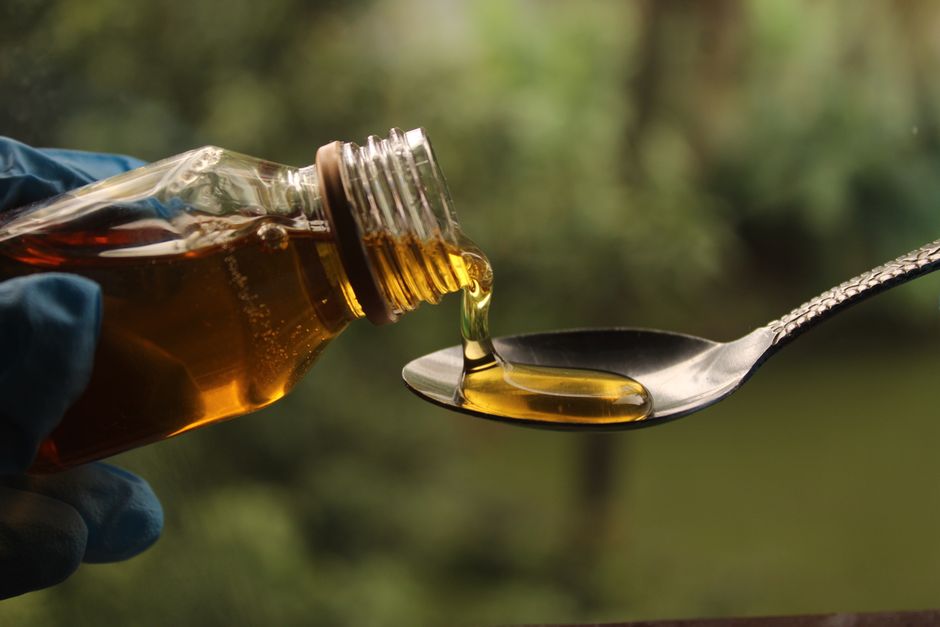
Maple syrup is vegan. It is made by boiling the sap of maple trees, and no animal products or animal-derived processing aids are involved at any stage. That makes it one of the few traditional sweeteners that fits a strict vegan diet without caveats about refining or filtration.
The confusion usually comes from two places. First, people mix up maple syrup with honey, which is an animal product and is not vegan. Second, some sweeteners like white sugar are sometimes filtered through bone char, which raises real questions for vegans. Maple syrup does not have that problem.
What Is Maple Syrup Actually Made From?
Maple syrup comes from the sap of sugar maple trees, and sometimes black or red maples. The sap is a thin, watery liquid that carries sugars the tree produced through photosynthesis. Nothing animal-based enters the process.
Producers tap trees in late winter and early spring, when cold nights and warmer days cause sap to flow. They collect the sap and boil it down to concentrate the sugars. It takes roughly 40 gallons of sap to make 1 gallon of syrup, which is why real maple syrup costs more than pancake syrup.
That boiling step matters for the vegan question. Some food processing uses animal-derived clarifiers or filters. Maple syrup production does not. The concentration happens through heat and evaporation alone. Some large operations use reverse osmosis to remove water before boiling, which is a physical process, not a chemical one involving animal inputs.
There is also a grading system. In the United States, maple syrup is graded by color and flavor rather than quality. Grades range from lighter golden varieties to darker amber and very dark syrups. The grade reflects when in the season the sap was collected and how it was processed. It has nothing to do with animal content.
Why Do People Think Maple Syrup Might Not Be Vegan?
The doubt is understandable, and it usually traces back to honey. Honey is made by bees, which are animals, so most vegans avoid it. Maple syrup is often shelved right next to honey and marketed in similar ways, which blurs the line in people’s minds.
A second source of confusion is the broader problem of hidden animal products in food processing. White sugar is a well-known example. Some refined sugar is filtered through bone char, a type of charcoal made from animal bones, to whiten it. Whether that makes sugar non-vegan is debated, since bone char is a processing aid and not an ingredient. The point is that vegans have learned to ask hard questions about how foods are made.
Maple syrup does not trigger that concern. There is no bone char step, no gelatin, no animal-derived enzyme, and no animal-based fining agent. The product is tree sap and heat.
One more wrinkle: some flavored or blended syrups are not pure maple syrup. A bottle labeled “maple syrup” with added flavors, colors, or preservatives could in theory contain something non-vegan, though this is uncommon. Reading the ingredient list settles it.
Is Pure Maple Syrup Always Vegan?
Pure maple syrup is vegan. If the ingredient list says only maple syrup, there is nothing animal-derived in it. This holds for organic and conventional versions alike.
Problems can appear in products that only look like maple syrup. Pancake syrup, sometimes called table syrup, is usually corn syrup with maple flavoring. It may contain butter, milk, or other dairy ingredients. Those products are not vegan, and they are not maple syrup.
Flavored maple syrups are another gray area. A syrup infused with vanilla or cinnamon is likely still vegan. A syrup infused with butter flavoring may or may not be, depending on whether the flavoring is natural or artificial and what it is derived from. When in doubt, contact the manufacturer. That is the same advice vegans follow for any processed food.
A practical rule: the fewer ingredients, the fewer questions. A single-ingredient bottle of maple syrup needs no investigation.
How Does Maple Syrup Compare to Other Sweeteners for Vegans?
Not all sweeteners are equal on a vegan diet. The differences come down to how each one is made and refined.
| Sweetener | Generally vegan? | Why |
|---|---|---|
| Pure maple syrup | Yes | Made from tree sap by boiling; no animal inputs |
| Honey | No | Produced by bees; most vegans avoid it |
| White sugar | Often, with debate | Sometimes filtered through bone char |
| Agave nectar | Yes | Plant-derived; refining does not typically use animal products |
| Brown rice syrup | Yes | Made from fermented rice; no animal inputs |
| Pancake syrup | Varies | May contain dairy or butter flavoring |
This table reflects general production methods, not every brand. Ingredient labels and manufacturer confirmation remain the final word.
Does Maple Syrup Have Any Nutritional Value?
Maple syrup is mostly sugar. One tablespoon contains around 52 calories and about 12 grams of sugar, according to USDA data. It has almost no fiber, fat, or protein.
It does contain small amounts of minerals, including manganese and riboflavin, and trace amounts of calcium, potassium, and zinc. These amounts are minor compared with what you would get from whole foods. Some marketing describes maple syrup as a mineral-rich health food. That framing overstates what the numbers show.
Maple syrup is a sugar. It is not a supplement, and it does not offset the health effects of added sugar in the diet. Federal dietary guidance recommends limiting added sugars, and maple syrup counts as one. That applies whether or not you are vegan.
For people managing blood sugar, maple syrup affects glucose similarly to other sugars. It is not a low-glycemic substitute for table sugar in any meaningful way, despite occasional claims to the contrary.
What About Maple Syrup and Animal Testing or Labor?
Some vegans extend their concerns beyond ingredients to how a product is tested or produced. Maple syrup is not tested on animals, and it does not involve animal labor. It is harvested from trees.
Labor conditions in any agricultural industry can raise ethical questions, but those are separate from whether a food is vegan. Veganism concerns animal products and animal exploitation. Maple syrup does not involve either in its ingredients or standard processing.
One honest note: “vegan” is not a regulated term in most food labeling. A product can be called vegan without meeting a formal legal standard. For maple syrup, the ingredient list is simple enough that this is rarely a practical problem.
How Should You Choose Maple Syrup If You Are Vegan?
Buy pure maple syrup with one ingredient. That is the whole answer for most people.
- Check the label for the word “maple syrup” and nothing else.
- Avoid products called “pancake syrup” or “table syrup” unless the label confirms they are vegan.
- Treat flavored syrups as unverified until you check with the maker.
- Grade and color do not affect whether the syrup is vegan.
Organic certification does not guarantee vegan, and the lack of it does not mean non-vegan. The two standards cover different things. Organic addresses farming practices. Vegan addresses animal inputs. For pure maple syrup, both concerns are typically satisfied at once.
Frequently Asked Questions
Is maple syrup vegan?
Yes, pure maple syrup is vegan because it is made only by boiling the sap of maple trees. No animal products or animal-derived processing aids are used.
Is maple syrup healthier than sugar?
No, maple syrup is still mostly sugar and has about 52 calories and 12 grams of sugar per tablespoon. Its trace minerals are too small to make it a health food.
Why do some vegans avoid honey but eat maple syrup?
Honey is made by bees, which are animals, so most vegans avoid it. Maple syrup comes from tree sap and involves no animals.
Is pancake syrup vegan?
Not always, because pancake syrup often contains dairy or butter flavoring. Check the ingredient list, since it is not the same product as pure maple syrup.
