
Corn syrup is a liquid sweetener made by breaking down cornstarch into simpler sugars, primarily glucose. The process starts with wet milling corn to separate the starch, then uses enzymes and heat to convert that starch into a thick, sweet syrup. This is not a chemical factory process but a carefully controlled biochemical one.
What Is the First Step in Making Corn Syrup?
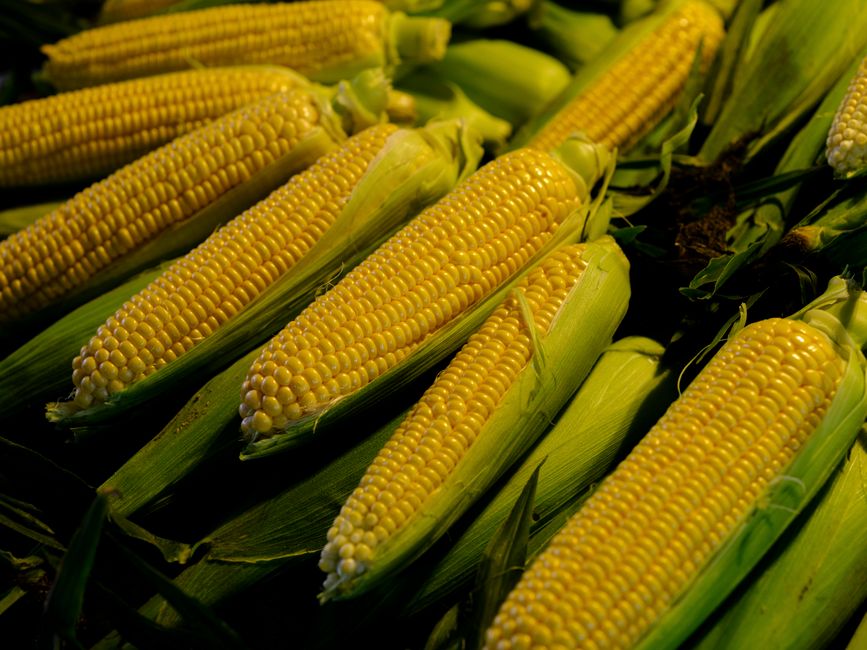
The process begins with field corn, not the sweet corn you eat on the cob. Field corn is harvested when it is dry and has a very high starch content. The first step is called wet milling.
Workers clean the corn and soak it in warm water mixed with sulfur dioxide. This softens the kernels and breaks down the protein bonds that hold the starch inside. After soaking for about 30 to 40 hours, the corn is ground up. The germ, fiber, and protein are removed, leaving a pure starch slurry. This starch is the raw material for all corn syrup production.
Wet milling is an older technology than many people realize. It has been used for over a century to separate corn components. The starch slurry at this stage looks like a thin, white liquid with no sweetness at all.
How Is Starch Turned Into Sugar?
Starch is a long chain of glucose molecules linked together. Your tongue cannot taste it as sweet because the chains are too long for your taste buds to detect. The job of the next step is to break those chains apart.
This is where enzymes come in. Food manufacturers add an enzyme called alpha-amylase to the starch slurry. They heat the mixture to around 100 degrees Celsius. The enzyme acts like scissors, cutting the long starch chains into shorter pieces called dextrins. At this point, the liquid is still not very sweet.
Next, they cool the mixture and add a second enzyme called glucoamylase. This enzyme works at a lower temperature and keeps cutting the dextrins down into individual glucose molecules. The result is a syrup that is about 95 percent glucose. This is the basic form of corn syrup you see in stores. It is about half as sweet as table sugar.
Research shows that the enzyme method is far more efficient than the old acid hydrolysis method used before the 1960s. Acid hydrolysis was less controlled and produced off-flavors. Modern enzyme conversion gives a cleaner taste and a more consistent product.
What Is the Difference Between Corn Syrup and High-Fructose Corn Syrup?
This is where most people get confused. Regular corn syrup and high-fructose corn syrup (HFCS) start the same way. The difference comes after the glucose syrup is made.
To make HFCS, manufacturers add a third enzyme called glucose isomerase. This enzyme converts some of the glucose into fructose. Fructose is much sweeter than glucose. The most common HFCS used in sodas is HFCS 55, which is 55 percent fructose and 42 percent glucose. The HFCS used in baked goods is HFCS 42, which is 42 percent fructose.
Table sugar is sucrose, which is a 50-50 mix of glucose and fructose bonded together. So HFCS 55 is chemically very similar to table sugar in its sugar composition. The main difference is that the sugars in HFCS are not bonded together, while they are in sucrose.
Current research suggests your body handles HFCS and table sugar in very similar ways once they reach your digestive system. The controversy about HFCS being uniquely harmful is not strongly supported by the evidence when compared to equal amounts of regular sugar.
| Type | Glucose % | Fructose % | Relative Sweetness |
|---|---|---|---|
| Regular Corn Syrup | 95% | 0% | 50% of table sugar |
| HFCS 42 | 58% | 42% | 90% of table sugar |
| HFCS 55 | 45% | 55% | 100% of table sugar |
| Table Sugar (Sucrose) | 50% | 50% | 100% |





How Is Corn Syrup Refined and Concentrated?
The glucose syrup coming out of the enzyme tanks is about 30 percent sugar and 70 percent water. That is too thin for most uses. Manufacturers need to concentrate it.
They run the syrup through a series of evaporators that remove water under vacuum. Evaporating at low pressure allows them to remove water at lower temperatures, which prevents the sugars from caramelizing or developing off-flavors. The syrup thickens as the water content drops.
For regular corn syrup, the final product is about 80 to 85 percent solids. For HFCS, the syrup goes through additional steps. First, it passes through activated carbon filters to remove color and impurities. Then it runs through ion exchange resins, which are like tiny magnets that pull out salts and minerals. This gives HFCS its clear, colorless appearance.
Some people believe that HFCS is a highly processed chemical product. The reality is that the refining steps are similar to those used for white sugar and many other food ingredients. The process uses heat, enzymes, and filtration, not synthetic chemicals.
What Are the Common Misconceptions About Corn Syrup Production?
The most widespread myth is that corn syrup is made with dangerous chemicals or that it contains mercury. As of 2026, there is no clinical evidence that modern corn syrup production uses mercury or leaves toxic residues in the final product. This myth traces back to a single study from 2009 that found trace mercury in some samples, but later research could not replicate those findings in current production.
Another common claim is that corn syrup is “unnatural” while sugar is natural. Both are highly processed. Sugar cane goes through crushing, boiling, filtering, and crystallization. Corn goes through wet milling, enzyme conversion, and filtration. Neither is a whole food.
Some people also think that corn syrup is the main source of added sugar in the American diet. Research shows that regular sugar (sucrose) is actually consumed in larger amounts. The confusion comes from the fact that HFCS is used heavily in sodas, which are a major source of calories, but sugar is used in many other products.
- Corn syrup does not contain high fructose unless labeled as HFCS
- Organic corn syrup exists and follows the same enzyme process but uses organic corn
- Light and dark corn syrup differ only by added color and flavor, not by production method
- Corn syrup is not the same as high-fructose corn syrup
How Is Corn Syrup Used in Food Products?
Food manufacturers use corn syrup for several reasons beyond just sweetness. It prevents sugar from crystallizing in candies and frostings. It adds body and mouthfeel to ice cream and frozen desserts. It retains moisture in baked goods, keeping them soft longer than sugar alone would.
In commercial baking, corn syrup helps control browning. Because glucose browns at a different rate than sucrose, bakers can adjust the color and crust of their products. In beverages, HFCS dissolves easily and stays stable in acidic conditions like soda.
One non-obvious use is in canned fruits and jams. Corn syrup helps maintain the texture of fruit pieces by preventing them from absorbing too much sugar too quickly. This keeps the fruit from becoming mushy during processing.
Some people report that products with corn syrup taste less sweet than those with the same amount of sugar. This is because glucose is less sweet than sucrose, so manufacturers often need to use more total sweetener to reach the same sweetness level. This can increase the calorie content of a product compared to using table sugar alone.
Frequently Asked Questions
Is corn syrup the same as high-fructose corn syrup?
No. Regular corn syrup is almost all glucose. High-fructose corn syrup has an enzyme added to convert some glucose into fructose.
Does corn syrup contain any nutrients?
No. Corn syrup provides calories from sugar but contains no vitamins, minerals, or fiber.
Can you make corn syrup at home?
It is difficult because you need specific enzymes and precise temperature control that home kitchens cannot easily achieve.
Why do manufacturers use corn syrup instead of sugar?
Corn syrup is cheaper than sugar in the United States due to corn subsidies and it performs better in some food applications like preventing crystallization.
