
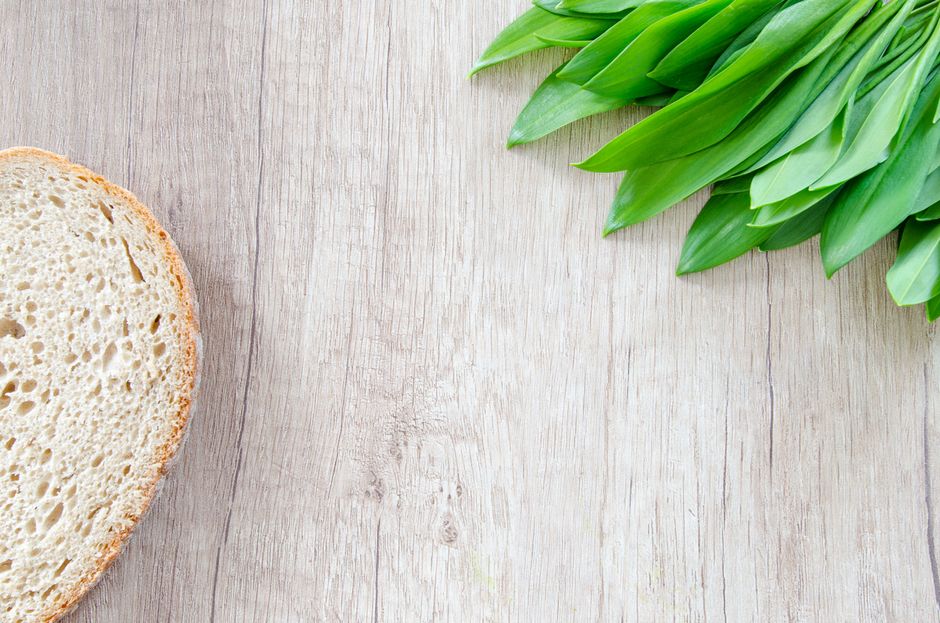
If you follow a vegan diet and love bread, you have likely wondered about sourdough. The short answer is that traditional sourdough bread is often vegan, but not always. It depends entirely on what the baker puts in the dough. Plain sourdough made from flour, water, and salt is vegan. Many commercial versions add ingredients that are not.
What Is Sourdough Bread Made Of?
Traditional sourdough starts with a “starter.” A starter is a fermented mixture of flour and water. It contains wild yeast and bacteria. This is what makes the bread rise. It is what gives sourdough its tangy flavor.
The basic ingredients for simple sourdough are just flour, water, and salt. No commercial yeast is added. No eggs, butter, or milk are needed. This base recipe is completely plant-based. It is naturally vegan.
The problem comes when bakeries or brands add extra ingredients. Many recipes include butter, milk, honey, or eggs to change the texture or taste. Some add cheese or seeds that are not vegan. You have to check the label or ask the baker.
Does Traditional Sourdough Contain Dairy or Eggs?
No. A genuinely traditional sourdough loaf contains no dairy and no eggs. The fermentation process creates a soft crumb and a crisp crust without those ingredients. Bakers have made sourdough this way for thousands of years.
Some modern recipes use milk or butter to create a softer loaf. These are sometimes labeled “sourdough” even if they are not traditional. A loaf made with milk is not vegan. A loaf made with butter is not vegan. A loaf brushed with egg wash before baking is not vegan.
Current research suggests that many grocery store “sourdough” loaves are not true sourdough at all. They are commercial breads with sourdough flavoring added. These may contain dough conditioners, preservatives, or dairy. As of 2026, the term “sourdough” is not legally regulated in the United States. This means a baker can call bread sourdough even if it uses commercial yeast and no fermentation.
How Can You Tell If Store-Bought Sourdough Is Vegan?
You have to read the ingredient list. Do not rely on the name alone. Look for these non-vegan ingredients specifically:
- Milk powder or whey
- Butter or buttermilk
- Eggs or egg wash
- Honey
- Cheese
- L-cysteine (often derived from animal feathers or hair)
- Mono- and diglycerides (can be animal-derived, though often plant-based)
If the label says “enriched flour,” check the enrichment. Some enrichment mixes use vitamin D3 from lanolin (sheep’s wool). This is not vegan. Vitamin D2 is typically vegan. The label usually does not specify which form is used.
Your safest bet is to ask the bakery directly. Many small bakeries are happy to tell you exactly what goes into their bread. If you buy from a grocery store bakery, look for a full ingredient list on the package or ask the staff.
Here is a quick comparison of common sourdough bread types:
| Bread Type | Likely Vegan? | Common Non-Vegan Ingredients |
|---|---|---|
| Artisan bakery sourdough (flour, water, salt) | Yes | None |
| Grocery store “sourdough” loaf | Maybe | Milk powder, butter, honey, L-cysteine |
| Sourdough with seeds or grains | Usually yes | Honey in some multigrain blends |
| Sourdough baguette (traditional) | Yes | None |
| Sourdough brioche | No | Butter, eggs, milk |




What About Honey in Sourdough?
Honey is a common ingredient in some sourdough recipes. Some bakers add a small amount for flavor or to feed the starter. Honey is not vegan because it is produced by bees.
Vegans avoid honey. If you see honey listed on a sourdough label, the bread is not vegan. Some bakeries use agave nectar or maple syrup instead. These are plant-based and vegan-friendly.
Some people argue that honey is a minor ingredient and the bread is “mostly vegan.” That is a personal choice. Strict vegans avoid it. The important thing is that you know what is in your food and can decide for yourself.
Is Sourdough Vegan Bread Healthier Than Regular Vegan Bread?
That depends on what you compare it to. Sourdough has some unique nutritional benefits because of fermentation. The fermentation process breaks down phytic acid. Phytic acid is found in grains and can block absorption of minerals like iron and zinc. This means your body may absorb more nutrients from sourdough than from regular bread.
Some studies suggest sourdough has a lower glycemic index than regular bread. This means it may cause a slower rise in blood sugar. People with diabetes or insulin resistance sometimes find sourdough easier to manage. The evidence for this is moderate. It varies by person and by recipe.
Sourdough also contains probiotics from the fermentation process. Most of these bacteria do not survive the baking heat. You do not get live probiotics from baked bread. You do get prebiotic fibers that feed your gut bacteria. This is a real benefit, though it is often overstated in popular articles.
Evidence indicates that sourdough is not a miracle food. It is bread. It is not a weight loss tool or a cure for digestive issues. It is a well-made, traditional bread with some genuine advantages over highly processed white bread. If you enjoy it and it fits your diet, it is a fine choice.
What Are Common Misconceptions About Sourdough and Veganism?
One common myth is that all sourdough is vegan. This is not true. As discussed, many commercial loaves contain dairy or honey. Another myth is that sourdough is always gluten-free. It is not. Sourdough is made from wheat, which contains gluten. Some people with mild gluten sensitivity find sourdough easier to digest because fermentation breaks down some gluten proteins. This does not make it safe for people with celiac disease.
Another misconception is that sourdough starter itself is vegan. It is. A starter is just flour and water. Some people worry that the bacteria in a starter are not vegan. Bacteria are not animals. They are microorganisms. There is no ethical issue for vegans regarding bacteria in food fermentation.
Some people report that sourdough helps with bloating or digestive discomfort. This is widely claimed, though strong evidence is limited. The fermentation does change the structure of the bread. Some individuals do feel better eating sourdough compared to commercial white bread. This is likely a real effect for some people, but it is not universal. It is not a medical treatment.
How Can You Make Sure Your Sourdough Is Vegan at Home?
Making sourdough at home is the easiest way to be certain. You control every ingredient. The basic recipe is simple and vegan by default.
Start with a sourdough starter. Mix equal parts flour and water. Let it sit at room temperature. Feed it daily with more flour and water. In about a week, it will be bubbly and active. This is your leavening agent. No commercial yeast needed.
For the dough, use:
- Bread flour or all-purpose flour
- Water
- Salt
- Your active starter
That is it. No dairy, no eggs, no honey. If you want to add flavor, you can mix in seeds, nuts, dried fruit, or herbs. All of these are vegan. Avoid adding butter or milk. Use olive oil if you want a softer crumb.
You can find detailed sourdough recipes online or in cookbooks. The process takes time. Mixing takes about 15 minutes. The bulk fermentation and shaping take several hours. Baking takes another 45 minutes to an hour. The result is a loaf you know is vegan.
Frequently Asked Questions
Is all sourdough bread vegan?
No. Traditional sourdough made from flour, water, and salt is vegan. Many commercial loaves contain milk, butter, honey, or eggs.
Can vegans eat sourdough bread from the store?
It depends on the brand. You must check the ingredient list for dairy, honey, eggs, or animal-derived additives. Many store brands are not vegan.
Does sourdough contain eggs?
Traditional sourdough does not contain eggs. Some enriched sourdough recipes or sourdough brioche include eggs. Always check the label.
Is sourdough starter vegan?
Yes. A sourdough starter is made only from flour and water. It contains wild yeast and bacteria, which are microorganisms, not animals.
