
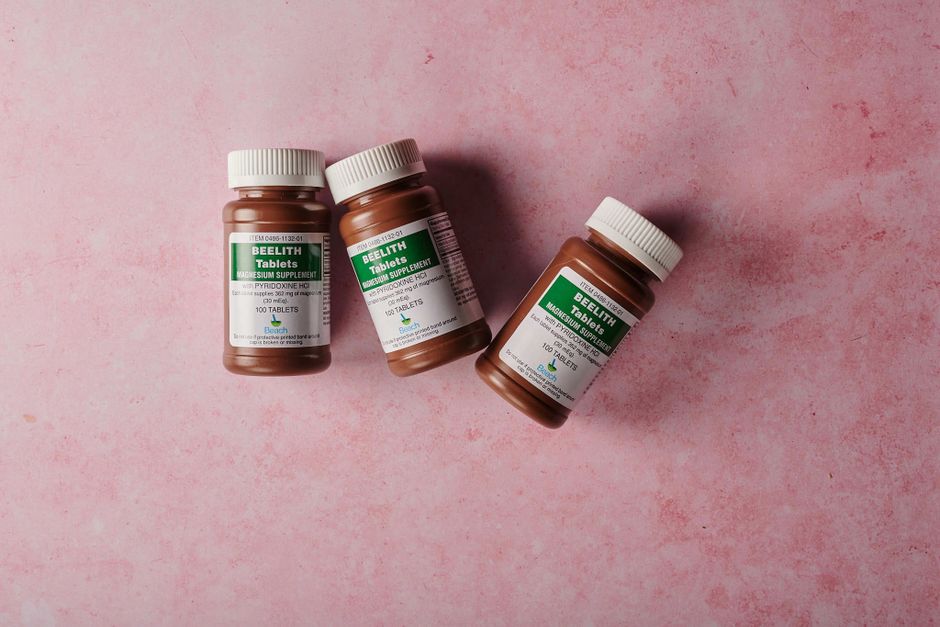
Magnesium glycinate is one of the most studied forms of magnesium for anxiety, and the evidence supporting its use is stronger than for most other supplements. It combines the essential mineral magnesium with the amino acid glycine, both of which have calming effects on the nervous system. While it is not a replacement for professional anxiety treatment, research and clinical experience suggest it can be a useful part of an anxiety management plan.
What Is Magnesium Glycinate?
Magnesium glycinate is a chelated form of magnesium. That means the mineral is bound to the amino acid glycine. This binding makes the magnesium easier for your body to absorb and less likely to cause the digestive upset that comes with other forms like magnesium oxide.
Glycine is not just a carrier molecule. It is an inhibitory neurotransmitter in the central nervous system. It works to calm nerve signals, which is part of why this specific form of magnesium is often recommended for anxiety and sleep issues.
How Does Magnesium Affect Anxiety?
Magnesium plays a direct role in regulating the hypothalamic-pituitary-adrenal (HPA) axis. This is your body’s main stress response system. When magnesium levels are low, the HPA axis becomes more reactive, meaning you may feel stress more intensely.
Magnesium also helps regulate the N-methyl-D-aspartate (NMDA) receptor in the brain. This receptor is involved in learning, memory, and mood regulation. When it is overactive, it can contribute to anxiety and depression. Magnesium acts as a natural blocker of this receptor, which may help produce a calming effect.
There is also a well-established link between magnesium deficiency and mood disorders. Research consistently shows that low magnesium levels are more common in people with anxiety and depression than in the general population. This does not prove that magnesium deficiency causes anxiety, but it does suggest a meaningful connection.
What the Research Says About Magnesium for Anxiety
Several clinical trials have examined magnesium for anxiety symptoms. Some studies suggest magnesium supplementation can reduce subjective anxiety scores, particularly in people who already have low magnesium levels. The evidence is strongest for people with a documented deficiency.
Research published in the journal Nutrients has reviewed the role of magnesium in anxiety and found that supplementation may help, especially when combined with other treatments. However, the quality of many studies is limited by small sample sizes and short durations.
One important point: magnesium is not a fast-acting anti-anxiety medication. It does not work like a benzodiazepine, which can reduce anxiety within minutes. Magnesium works gradually, usually over several weeks of consistent supplementation, by correcting underlying deficiencies and supporting the nervous system over time.




Why Glycine Matters for Anxiety
Glycine is often overlooked when people discuss magnesium glycinate. It deserves attention on its own.
Glycine acts as an inhibitory neurotransmitter in the spinal cord and brainstem. It binds to glycine receptors and produces an inhibitory effect that reduces the firing of certain nerve cells. This is the same class of action as GABA, the brain’s primary calming neurotransmitter.
Glycine also plays a role in the production of serotonin, a neurotransmitter that regulates mood. Some animal research suggests glycine has antidepressant and anxiolytic effects, though human studies are more limited.
Because both magnesium and glycine have calming properties, magnesium glycinate offers a dual mechanism that other magnesium forms do not provide. This is why many clinicians prefer it for anxiety and sleep concerns.
Is Magnesium Glycinate Good for Anxiety in Practice?
Clinical experience and research point in the same direction. For people with low magnesium levels or poor dietary intake, magnesium glycinate is a reasonable supplement to try for anxiety symptoms.
It may be particularly helpful for anxiety that is accompanied by poor sleep or muscle tension. Magnesium glycinate is commonly recommended for these overlapping symptoms because it addresses all three without the side effects of prescription muscle relaxants or sleep aids.
That said, the evidence does not support using magnesium glycinate as a standalone treatment for diagnosed anxiety disorders like generalized anxiety disorder or panic disorder. For these conditions, established treatments such as cognitive behavioral therapy and selective serotonin reuptake inhibitors (SSRIs) have far stronger evidence. Magnesium may complement these treatments, but it should not replace them.
How Much Magnesium Glycinate Should You Take?
The recommended dietary allowance for magnesium is 310–320 mg per day for adult women and 400–420 mg per day for adult men. These figures come from the National Institutes of Health and represent the amount needed to maintain normal body function.
For anxiety specifically, no official clinical guideline establishes a therapeutic dose. Some clinical trials have used doses ranging from 200–400 mg of elemental magnesium per day. It is important to understand that magnesium glycinate capsules contain less elemental magnesium than the total capsule weight. A 500 mg capsule of magnesium glycinate typically provides about 50–100 mg of elemental magnesium.
Start with a lower dose and increase gradually to minimize digestive side effects. Magnesium glycinate is better tolerated than other forms, but taking too much at once can still cause loose stools.
The upper limit for supplemental magnesium is 350 mg per day. This limit applies only to supplements, not to magnesium from food. Exceeding this amount can cause diarrhea, nausea, and abdominal cramping.
Are There Any Side Effects or Risks?
Magnesium glycinate is generally well tolerated. The most common side effect is digestive upset, particularly loose stools, when taken in high doses.
People with kidney disease should not take magnesium supplements without medical supervision. The kidneys normally excrete excess magnesium, but when kidney function is impaired, magnesium can accumulate to dangerous levels.
Magnesium can also interact with certain medications. It may reduce the absorption of some antibiotics and osteoporosis medications. If you take medication for any chronic condition, talk to your doctor before starting a magnesium supplement.
If you are pregnant or breastfeeding, consult your healthcare provider. Magnesium is important during pregnancy, but dosing recommendations differ from the general population.
How Long Does It Take to Work?
Do not expect immediate relief. Magnesium glycinate is not a rescue treatment for acute anxiety.
Most people who respond to magnesium supplementation notice changes within 2–4 weeks of consistent use. The timeline depends on how deficient you are to begin with and how well your body absorbs the supplement.
Some people notice improvements in sleep quality within the first week. Sleep improvements often precede anxiety reduction, since better rest directly affects mood regulation.
Frequently Asked Questions
Can magnesium glycinate replace my anxiety medication?
No. Magnesium glycinate is not an approved treatment for anxiety disorders and does not have evidence to support replacing prescription medication. If you take medication for anxiety, do not stop it without speaking to your doctor.
What is the best time of day to take magnesium glycinate for anxiety?
Most people take it in the evening because it can promote relaxation and improve sleep quality. However, some people do well with a morning dose, and timing can be adjusted based on your personal response.
How long does it take for magnesium glycinate to reduce anxiety?
Most people who benefit notice improvements within 2 to 4 weeks of daily use. It works gradually by correcting magnesium levels rather than providing immediate symptom relief.
Is magnesium glycinate safe to take every day?
Yes, magnesium glycinate is safe for daily use in healthy adults when taken within the recommended limits. Do not exceed 350 mg of supplemental magnesium per day unless directed by a healthcare provider.
