
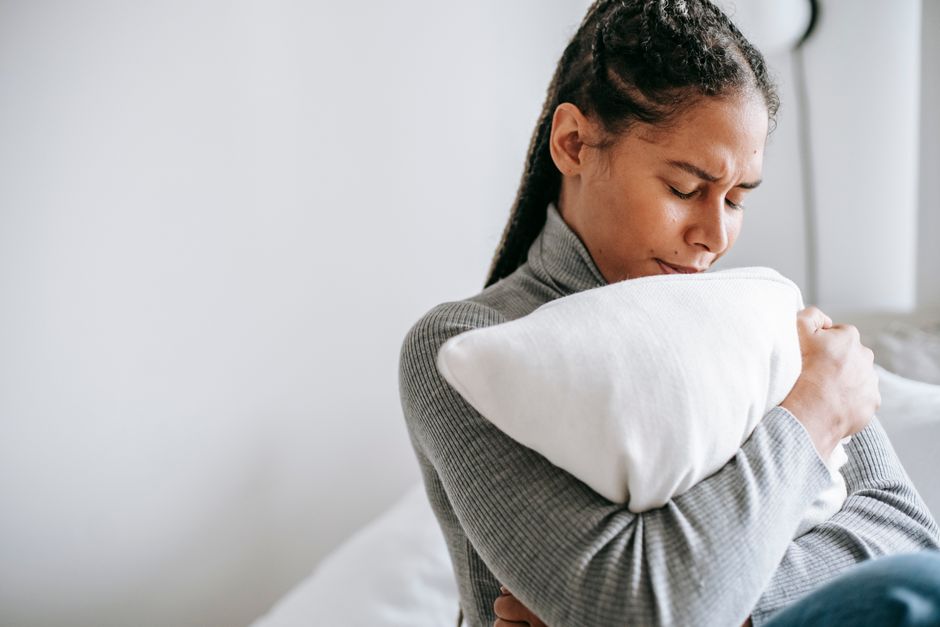
Feeling like you cannot catch your breath is frightening. When it happens, most people think of their lungs or heart first. But anxiety can also cause breathlessness, and it is one of the most common symptoms of a panic attack. The sensation is real, not imagined, and understanding the difference between anxiety-driven breathlessness and a medical emergency is essential for your health and peace of mind.
What Does Anxiety-Induced Breathlessness Feel Like?
Anxiety breathlessness has a distinct pattern. People often describe it as a feeling of being unable to take a deep enough breath, sometimes called “air hunger.” You might feel like you need to yawn or sigh constantly to get satisfaction. The chest may feel tight, and breathing can become rapid and shallow.
This is different from the breathlessness caused by physical exertion. When you run up stairs, your breathing rate increases because your muscles need more oxygen. With anxiety, the trigger is psychological, but the physical response is genuine. The feeling typically comes on suddenly, often peaking within 10 minutes during a panic attack, though it can also be a low-level chronic sensation during periods of high stress.
Why Does Anxiety Cause Shortness of Breath?
Anxiety activates your body’s stress response, commonly known as the fight-or-flight system. When your brain perceives a threat, it signals your adrenal glands to release hormones like adrenaline and cortisol. These hormones prepare your body to either fight or flee.
One of the first changes is an increase in your breathing rate. Your body believes it needs more oxygen to prepare for physical action. This rapid breathing can lead to hyperventilation, where you exhale more carbon dioxide than your body produces. The drop in carbon dioxide changes the pH balance of your blood, which can cause your airways to constrict slightly and make you feel even more breathless. It also triggers other symptoms like tingling in the hands or face and lightheadedness.
This creates a feedback loop. You feel breathless, which makes you more anxious, which makes you breathe faster, which increases the feeling of breathlessness. Breaking that cycle is the key to stopping the symptom.
How to Tell the Difference: Anxiety vs. a Medical Condition
Distinguishing anxiety breathlessness from a cardiac or pulmonary issue is critical. You should never assume breathlessness is anxiety without considering other causes. However, there are patterns that point toward anxiety.
Signs more consistent with anxiety:
- Breathlessness accompanied by a feeling of panic or dread
- Symptoms that occur at rest or during times of stress
- Breathing that is rapid and shallow
- A feeling that you cannot get a “satisfying” breath, even when your oxygen saturation is normal
- Symptoms that resolve when you are distracted or calm down
Signs that require immediate medical evaluation:
- Breathlessness that occurs with minimal exertion or while lying flat
- Chest pain, pressure, or tightness that radiates to the arm or jaw
- Sudden onset of severe breathlessness, especially at rest
- Blue lips or fingertips
- Wheezing or a cough that produces blood
- Swelling in the legs or ankles
If you have risk factors for heart disease, such as high blood pressure, diabetes, or a smoking history, you should be more cautious. A doctor can perform tests like an electrocardiogram, chest X-ray, or pulmonary function tests to rule out underlying conditions. It is always safer to get checked than to assume anxiety is the cause.


Can Breathlessness Be Caused by Anxiety? What Experts Say
Yes, experts confirm that breathlessness can be caused by anxiety. This is a well-documented symptom in psychiatric and medical literature. The mechanism is rooted in the autonomic nervous system’s response to stress, not in any physical obstruction of the airways or lung disease.
Clinicians often use a tool called the Hyperventilation Provocation Test to demonstrate this. When patients breathe rapidly for a short period, they reproduce the same breathlessness and dizziness they feel during anxiety. This confirms the link for many people. However, experts also stress that anxiety and physical conditions can coexist. Having an anxiety disorder does not make you immune to asthma, heart problems, or other causes of breathlessness.
Breathing Techniques That Actually Stop the Sensation
When breathlessness is driven by anxiety, the goal is to slow your breathing rate and restore normal carbon dioxide levels. Simple advice like “just breathe slowly” often fails because people try to take deeper breaths, which can worsen hyperventilation.
Instead, focus on extending your exhale. A longer exhale activates the parasympathetic nervous system, which counteracts the fight-or-flight response. Try this pattern: breathe in through your nose for a count of four, then breathe out slowly through pursed lips for a count of six or eight. The exhale should be longer than the inhale.
Another effective method is belly breathing. Place one hand on your chest and one on your abdomen. When you inhale, your abdomen should rise while your chest stays relatively still. Practice this when you are calm so it becomes easier to access during a panic episode. Regular practice of these techniques, even for a few minutes daily, can reduce the intensity of anxiety breathlessness over time.
When to Seek Professional Help for Anxiety
Occasional breathlessness during a stressful event is common and usually resolves on its own. But if you experience it frequently, it may indicate an anxiety disorder that warrants treatment. Signs that anxiety is interfering with your life include avoiding situations because you fear feeling breathless, waking up at night with panic, or feeling constantly on edge.
Effective treatments exist. Cognitive behavioral therapy (CBT) is well-supported by research for panic disorder and generalized anxiety. It helps you reframe the catastrophic thoughts that fuel the anxiety cycle. If you think breathlessness means you are dying, your brain amplifies the alarm. CBT teaches you to recognize that the sensation, while uncomfortable, is not dangerous.
Some clinicians also recommend medication for severe cases. Antidepressants, particularly selective serotonin reuptake inhibitors (SSRIs), are commonly prescribed for anxiety disorders. Short-acting medications like benzodiazepines can be used for acute panic, but they carry a risk of dependence and are generally not recommended as a long-term solution. You should discuss all medication options with a psychiatrist or primary care doctor.
Lifestyle Factors That Reduce Anxiety Breathlessness
Certain habits can lower your baseline anxiety level, making episodes of breathlessness less frequent. Regular aerobic exercise is one of the most effective tools. Exercise trains your body to tolerate higher carbon dioxide levels and normalizes your breathing response. It also provides a healthy outlet for stress hormones.
Limiting caffeine and alcohol can also help. Caffeine is a stimulant that can trigger or worsen anxiety symptoms, including a racing heart and breathlessness. Alcohol disrupts sleep and can increase anxiety the following day. Sleep deprivation itself is a major contributor to heightened anxiety sensitivity.
Mindfulness and relaxation practices have also shown benefit in clinical studies for reducing anxiety symptoms. These practices do not eliminate stress, but they change your relationship to it. Instead of reacting to breathlessness with panic, you learn to observe the sensation without judgment, which often causes it to fade faster.
Frequently Asked Questions
How long does anxiety-induced breathlessness last?
Most episodes peak within 10 to 20 minutes and resolve once your breathing rate slows down. If you use controlled breathing techniques, the sensation usually subsides within a few minutes.
Can anxiety cause shortness of breath all day?
Yes, some people experience a low-level feeling of breathlessness that persists for hours or days during periods of chronic stress. This is often due to consistently rapid, shallow breathing patterns that keep carbon dioxide levels slightly low.
What is the best position to relieve anxiety breathlessness?
Sitting upright with your shoulders back and hands on your knees helps open your chest and allows for fuller breaths. Standing or walking slowly can also help, but lying flat may make the sensation worse for some people.
Should I go to the ER for breathlessness caused by anxiety?
If you have been evaluated by a doctor and know your breathlessness is anxiety-related, you do not need emergency care. If you have never experienced this before, have chest pain, or have risk factors for heart disease, seek emergency evaluation to rule out serious causes.
