
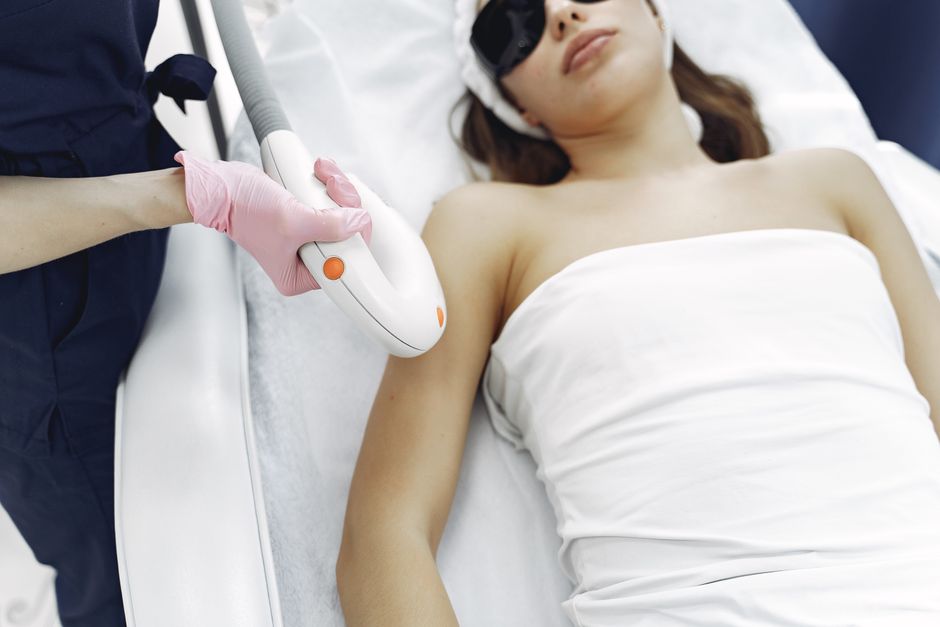
Laser hair removal is one of the most common cosmetic procedures in the United States, but many people still wonder if the risks are worth it. The short answer is that laser hair removal is generally safe when performed by a qualified professional, but it is not risk-free. The real risks include skin burns, pigment changes, and scarring, though serious complications are rare when the procedure is done correctly on the right skin type.
How Does Laser Hair Removal Actually Work?
Laser hair removal works by targeting the pigment, called melanin, inside the hair follicle. The laser emits a specific wavelength of light that is absorbed by the dark pigment in the hair. This light energy converts to heat, which damages the follicle enough to slow down or stop future hair growth.
The key detail most people miss is that the laser also targets pigment in the skin. This is why the procedure works best for people with light skin and dark hair. The contrast allows the laser to focus on the hair while leaving the surrounding skin relatively untouched. When skin and hair color are similar, the laser cannot distinguish between them as easily, which increases the risk of complications.
Hair grows in cycles. Lasers only affect follicles in the active growth phase, called anagen. This is why multiple sessions are needed, usually spaced several weeks apart. Each session catches a different group of follicles in the active phase.
Is Laser Hair Removal Bad For You Real Risks of Burns and Skin Damage
Burns are the most immediate risk associated with laser hair removal. The heat generated by the laser can damage the skin if the settings are too high for your skin type or if the technician is inexperienced. A burn from a laser can range from a mild red mark that fades in a few days to a blister that leaves a permanent scar.
Dark skin carries a higher risk of burns because the laser targets melanin, and darker skin contains more of it. The laser may mistake the pigment in your skin for the pigment in the hair follicle. Modern lasers have cooling mechanisms and adjustable settings designed to reduce this risk, but they do not eliminate it.
Tanned skin is also a concern. Many clinics will refuse to treat skin that has been recently tanned, whether from the sun or a tanning bed. Treating tanned skin significantly increases the risk of burns and pigment changes. If you are planning laser hair removal, you should avoid tanning for at least four to six weeks before your session.
Pigment Changes: Dark Spots and Light Spots
Post-inflammatory hyperpigmentation is a common side effect. This is when the skin produces excess melanin in response to the laser’s heat, leaving dark patches. It is more common in people with darker skin tones and usually fades over several months, but it can persist longer in some cases.
Hypopigmentation is the opposite. This is when the skin loses pigment, leaving lighter patches. Hypopigmentation can be permanent, especially if the laser settings were too aggressive. This is why choosing an experienced provider is more important than finding the cheapest deal.
Most pigment changes are temporary. Studies indicate that the majority of pigment-related side effects resolve within six to twelve months. However, permanent pigment loss is a documented risk, and you should be aware of it before starting treatment.





Scarring and Skin Texture Changes
Scarring is a less common but serious risk. It typically occurs when a burn becomes infected or when the skin is picked or scratched after treatment. The risk of scarring increases if you have a history of keloid scars, which are raised scars that grow beyond the original wound area.
Changes in skin texture are possible but rare. Some people report their skin feeling rough or uneven after treatment. This is usually temporary and related to the skin’s healing response. If the laser settings are correct and aftercare instructions are followed, texture changes are uncommon.
You should tell your provider about any history of abnormal scarring before treatment. They may recommend a test patch on a small area of skin first to see how your skin reacts.
Eye Injury Risks During Laser Hair Removal
Eye protection is non-negotiable during laser hair removal. The face, especially the upper lip and eyebrows, is close to the eyes. Laser light can cause serious eye damage, including permanent vision loss, if it penetrates the eye.
Both you and the technician should wear appropriate protective eyewear during the procedure. This is not optional. If a clinic does not offer eye protection, you should leave and find another provider. This is a clear sign that they are not following safety protocols.
Some clinics use small metal shields placed inside the eyelids for treatments near the eye area. These are placed by a trained professional and are standard practice for procedures on the eyelids or very close to them.
Who Should Avoid Laser Hair Removal
Certain people should not undergo laser hair removal without careful consideration. People with very light hair, such as blonde, red, or gray hair, often see poor results because the laser cannot target the hair effectively. The pigment in the hair is too light for the laser to detect.
People with a condition called photosensitivity, which makes the skin unusually sensitive to light, should avoid laser treatment. Certain medications can also cause photosensitivity. These include some antibiotics, acne medications like isotretinoin, and some herbal supplements. You must disclose all medications and supplements to your provider before treatment.
Pregnancy is another gray area. No large clinical trials have confirmed that laser hair removal is safe during pregnancy. Many providers will decline to treat pregnant women as a precaution, especially on the abdomen and chest. The evidence does not show proven harm, but the lack of research means most clinicians err on the side of caution.
How to Minimize Your Risk of Complications
Choose a provider who is a licensed medical professional. In many states, laser hair removal can be performed by trained technicians under a doctor’s supervision. In others, it must be done by a physician, nurse, or physician assistant. Check your state’s regulations and ask about the qualifications of the person performing your treatment.
Always schedule a consultation before your first session. During this consultation, the provider should review your medical history, assess your skin and hair type, and discuss realistic expectations. They should also perform a patch test on a small area to see how your skin reacts to the laser.
Follow aftercare instructions carefully. This typically includes avoiding sun exposure, using sunscreen on treated areas, and not picking at any crusting or blisters. Keeping the area clean and moisturized helps the skin heal properly.
Do Not Go to MedSpas Without Checking Credentials
Laser hair removal is widely available at med spas, dermatology offices, and even some salon chains. The level of supervision varies significantly between these settings. A med spa may offer a lower price, but you need to verify who is actually performing the treatment and what their training involves.
Ask about the specific laser device being used. Different lasers are designed for different skin types. For example, the Nd:YAG laser is often used for darker skin tones because it targets deeper structures and is less likely to cause surface burns. The Alexandrite laser is more effective for lighter skin. A provider who matches the laser to your skin type demonstrates proper training.
The evidence is clear that complication rates are lower when treatment is performed by experienced professionals. A study published in the Journal of the American Academy of Dermatology found that most laser complications occur when treatment is performed by untrained or poorly supervised individuals. This is one case where paying more for experience is worth it.
Frequently Asked Questions
Does laser hair removal cause cancer?
No studies have found a link between laser hair removal and skin cancer. The laser does not use ionizing radiation, which is the type of radiation associated with cancer risk.
Can laser hair removal make hair grow back worse?
No, laser hair removal does not cause thicker or darker hair growth. In rare cases, it can stimulate new hair growth in areas adjacent to the treated site, but this is uncommon and the mechanism is not fully understood.
How many sessions does laser hair removal take?
Most people need six to eight sessions to achieve significant hair reduction. The exact number depends on your hair color, skin type, and the area being treated.
Is laser hair removal painful?
Most people describe the sensation as a rubber band snapping against the skin. Modern lasers include cooling mechanisms that reduce discomfort, and topical numbing creams are available for sensitive areas.
