
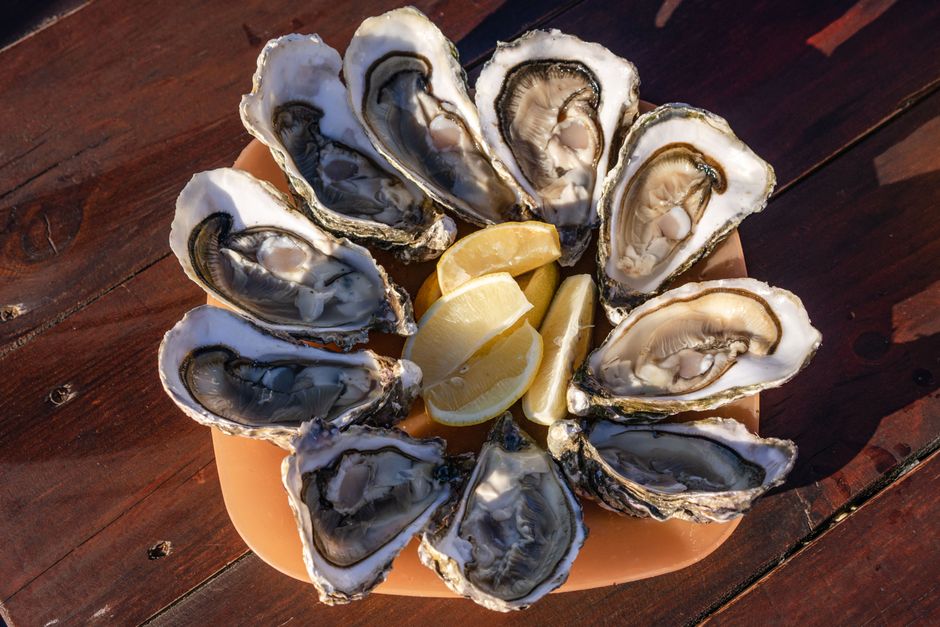
Raw oysters are not safe for everyone, and the risk is not a minor one. Eating them raw can expose you to Vibrio bacteria, norovirus, hepatitis A, and other pathogens that cause serious illness. For most healthy adults, the chance of getting sick from a single serving is low but real. For people with liver disease, diabetes, weakened immune systems, or certain other conditions, raw oysters can cause life-threatening infection.
Is It Safe To Eat Raw Oysters Know The Risks?
No. Raw oysters carry a genuine risk of foodborne illness, and that risk cannot be eliminated by any preparation method short of thorough cooking. The question is not whether raw oysters are safe in some absolute sense. It is whether the risk is acceptable for you specifically.
Oysters are filter feeders. They pump large volumes of water through their bodies to extract nutrients, and in doing so they concentrate whatever is in that water — including bacteria, viruses, and parasites. This is not a sign of contamination or poor handling. It is simply how oysters feed.
The pathogens that matter most fall into a few groups. Vibrio bacteria are naturally present in warm coastal waters and are the most concerning for serious outcomes. Norovirus and hepatitis A can contaminate oysters when human sewage enters harvesting waters. These are different problems with different risk profiles.
What Is Vibrio And Why Is It The Main Concern?
Vibrio is a genus of bacteria that lives naturally in marine environments. The two species most often linked to illness from oysters are Vibrio vulnificus and Vibrio parahaemolyticus.
Vibrio parahaemolyticus is the more common cause of illness. It typically produces watery diarrhea, abdominal cramps, nausea, vomiting, and sometimes fever. Symptoms usually begin within 24 hours of eating contaminated oysters and last about three days. Most healthy people recover without treatment.
Vibrio vulnificus is far rarer but far more dangerous. In healthy people, it can cause vomiting, diarrhea, and abdominal pain. In people with certain underlying conditions, it can enter the bloodstream and cause a severe infection called septicemia. This can progress rapidly, sometimes within a day or two of eating the oysters. The case fatality rate for bloodstream infection from V. vulnificus is high — estimates from public health surveillance suggest it kills roughly one in five people who develop it, and the rate is even higher in those with liver disease.
That number is not meant to alarm the average reader. It is meant to make clear why the warnings about raw oysters are not casual. For some people, this is not a stomachache. It is a medical emergency.
Water temperature matters. Vibrio levels in oysters rise during warmer months. This is why some public health agencies and oyster producers have historically followed the “months with an R” rule — avoiding raw oysters in May, June, July, and August. That rule is not a guarantee of safety in cooler months either, but it reflects a real seasonal pattern in bacterial loads.
Who Should Never Eat Raw Oysters?
Some people should avoid raw oysters entirely, with no exceptions. This is not a matter of being cautious. It is a matter of avoiding a documented, severe risk.
- Liver disease — including cirrhosis, hepatitis, and other chronic liver conditions. The liver filters bacteria from the blood. When it is damaged, V. vulnificus can overwhelm the system.
- Diabetes — especially if poorly controlled. High blood sugar impairs immune function.
- Weakened immune systems — from HIV, cancer treatment, organ transplant medications, or autoimmune conditions requiring immunosuppression.
- Stomach or blood disorders — including low stomach acid from medications or conditions like achlorhydria, and conditions such as thalassemia or hemochromatosis that affect iron metabolism.
- Regular alcohol use disorder — heavy drinking damages the liver and impairs immune response even without a formal liver disease diagnosis.
- Pregnant women — the risk of listeriosis and other infections is elevated during pregnancy, and these can affect the fetus.
- Adults over 65 — immune function declines with age, making serious outcomes more likely.
If you fall into any of these groups and you eat a raw oyster, you are not being brave. You are taking a risk that public health authorities have repeatedly warned against.





Does Hot Sauce, Lemon, Or Alcohol Kill Bacteria In Raw Oysters?
No. This is one of the most persistent myths about raw oysters, and it is worth stating plainly: none of these things kill Vibrio or other pathogens in a way that makes raw oysters safe.
Hot sauce may contain vinegar and capsaicin, but it does not reach the internal tissues of the oyster where bacteria live. Squeezing lemon juice on the surface does not penetrate deeply enough or at a high enough concentration to kill bacteria. Alcohol consumed alongside the oysters does not sterilize them either.
Even the oyster itself is not a reliable barrier. Some people believe that a live oyster actively fights bacteria. That is not how it works. Oysters can harbor Vibrio in their tissues without any sign of illness. A perfectly fresh, healthy-looking oyster can carry enough bacteria to make someone sick.
How Can You Reduce The Risk If You Choose To Eat Raw Oysters?
If you are not in a high-risk group and you choose to eat raw oysters, there are steps that reduce — but do not eliminate — your risk.
- Buy from reputable sources. Licensed dealers and restaurants are more likely to follow proper handling and temperature controls. Oysters harvested illegally or sold from unregulated sources carry higher risk.
- Check the harvest tag. In the US, raw oysters sold in shells must have a tag showing where and when they were harvested. This is a legal requirement, and it exists for traceability during outbreaks.
- Keep them cold. Vibrio multiplies faster at warm temperatures. Oysters should be stored at 40°F or below and kept on ice until served.
- Avoid raw oysters in warm months. The “months with an R” rule is not perfect, but bacterial loads are generally higher in summer.
- Eat them soon after harvest. Freshness does not eliminate Vibrio, but it reduces the time bacteria have to multiply.
- Consider cooked oysters instead. Cooking oysters thoroughly — until the flesh is opaque and the edges curl — kills Vibrio and other pathogens. This is the only reliable way to make oysters safe from a microbial standpoint.
None of these steps make raw oysters risk-free. They lower the odds. That distinction matters.
What About Norovirus And Hepatitis A In Oysters?
Vibrio gets most of the attention, but oysters can also carry viruses. Norovirus and hepatitis A are the two most commonly linked to oyster-related outbreaks.
These viruses enter oyster beds through human sewage. When people with norovirus or hepatitis A shed the virus in their stool, and that waste enters coastal waters — through failing septic systems, sewage overflows, or discharge from boats — oysters can concentrate the virus in their tissues.
Norovirus causes acute gastroenteritis: vomiting, diarrhea, stomach pain, and sometimes fever. Symptoms typically appear 12 to 48 hours after exposure and last one to three days. It is unpleasant but rarely dangerous for healthy adults.
Hepatitis A is more serious. It causes liver inflammation, which can lead to jaundice, fatigue, abdominal pain, and in rare cases liver failure. Symptoms can take two to six weeks to appear, making it hard to link back to a specific meal. A vaccine for hepatitis A is available and is recommended for people at higher risk, including those who travel to areas where the virus is common.
Importantly, neither norovirus nor hepatitis A is killed by the same conditions that might reduce Vibrio. Cold storage does not eliminate them. Neither does hot sauce or lemon. Only thorough cooking does.
What Should You Do If You Get Sick After Eating Raw Oysters?
Most people who get sick from raw oysters recover on their own within a few days. The main concern is dehydration from vomiting and diarrhea. Drinking fluids and resting is usually enough.
But some symptoms warrant immediate medical attention. Seek care right away if you experience:
- High fever
- Severe abdominal pain
- Bloody diarrhea
- Signs of dehydration — dizziness, rapid heartbeat, little or no urination
- Confusion or disorientation
- Rapidly spreading skin redness or blistering
If you are in a high-risk group — liver disease, diabetes, weakened immune system — and you develop fever or chills after eating raw oysters, go to an emergency room. Do not wait to see if it passes. Vibrio vulnificus infection can progress to a life-threatening stage within hours, and early treatment with antibiotics is critical.
Tell the medical team that you ate raw oysters. That detail can change how quickly they act.
Are Raw Oysters Ever Safe?
For a healthy adult with no underlying conditions, the risk of serious illness from a single serving of raw oysters is low. But “low” is not “zero.” Every year, people who were not in high-risk groups get sick from raw oysters. Some end up in the hospital.
There is no way to look at an oyster and know whether it carries Vibrio or a virus. There is no test you can do at home. There is no preparation method that makes raw oysters completely safe short of cooking them.
The decision to eat raw oysters is a personal one. But it should be made with clear information, not with myths about hot sauce or the idea that fresh oysters are always safe. If you are in a high-risk group, the answer is simple: do not eat them raw. If you are not, the choice is yours — but know what you are choosing.
Frequently Asked Questions
Can you get sick from eating just one raw oyster?
Yes. A single raw oyster can carry enough Vibrio bacteria, norovirus, or other pathogens to cause illness. The risk is higher for people with liver disease, diabetes, or weakened immune systems.
Does lemon juice or hot sauce kill bacteria in raw oysters?
No. Neither lemon juice nor hot sauce penetrates the oyster’s tissues deeply enough or at a high enough concentration to kill Vibrio or viruses. Only thorough cooking makes oysters safe from these pathogens.
What are the symptoms of Vibrio infection from raw oysters?
Common symptoms include watery diarrhea, stomach cramps, nausea, vomiting, and fever, usually starting within 24 hours. In high-risk people, Vibrio vulnificus can enter the bloodstream and cause a severe, life-threatening infection.
Who should never eat raw oysters?
People with liver disease, diabetes, weakened immune systems, stomach or blood disorders, and pregnant women should avoid raw oysters entirely. Adults over 65 should also be cautious because immune function declines with age.
