
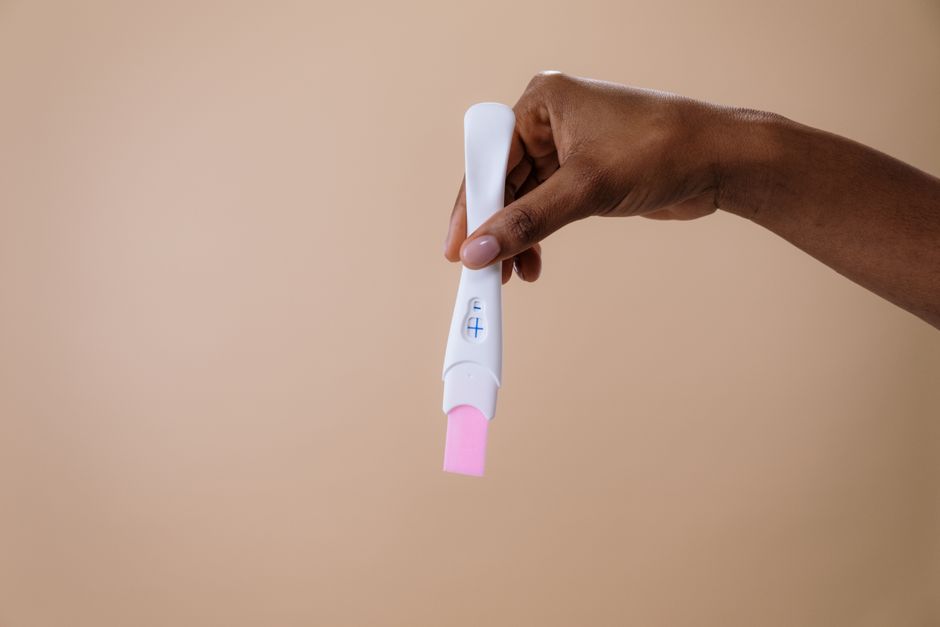
Yes, a pregnancy test can be wrong. Home pregnancy tests are generally accurate when used correctly, but false negatives and false positives both happen. Most errors trace back to testing too early, reading the result outside the recommended window, or a medication or medical condition interfering with the result.
Understanding why errors happen helps you know when to trust a result and when to test again.
How Accurate Are Home Pregnancy Tests?
Home pregnancy tests are accurate most of the time when you follow the instructions and test at the right point in your cycle. They work by detecting human chorionic gonadotropin (hCG), a hormone the body produces after a fertilized egg implants in the uterus.
Accuracy depends heavily on timing. If you test on the first day of a missed period, most tests detect pregnancy in the large majority of cases. Test a few days earlier and the detection rate drops, because hCG may not have risen high enough yet to register.
One detail many people miss: hCG starts low and roughly doubles every two to three days in early pregnancy. A test taken two days before a missed period might miss a pregnancy that a test taken two days later would catch. That gap is not a flaw in the test. It reflects where the hormone was at the moment you tested.
Test sensitivity also varies by brand. Some tests are designed to detect lower levels of hCG than others. The packaging usually states the sensitivity, though the difference between a very sensitive test and a standard one may matter only in the earliest days.
What Causes a False Negative Pregnancy Test?
A false negative means the test says you are not pregnant when you actually are. This is the most common type of error, and the causes are usually straightforward.
- Testing too early. hCG may not be high enough yet for the test to detect. This is the leading cause of false negatives.
- Diluted urine. Drinking large amounts of fluid before testing can dilute hCG below the detection threshold. First-morning urine tends to be the most concentrated.
- Checking the result too soon or too late. Reading the test before the recommended wait time can show a negative that has not developed yet. Reading it long after the window can show an evaporation line that looks like a faint positive but is not.
- Expired or improperly stored tests. Heat, cold, and age can degrade the chemicals that detect hCG.
- User error. Not holding the stick in the urine stream long enough, dipping past the marked line, or misreading faint results all contribute.
If you get a negative but still suspect pregnancy, wait two to three days and test again with first-morning urine. By then, hCG will have had time to rise if pregnancy is progressing.
What Causes a False Positive Pregnancy Test?
A false positive means the test says you are pregnant when you are not. These are less common than false negatives, but they do occur, and the reasons are worth knowing.
One well-documented cause is a very early pregnancy loss, sometimes called a chemical pregnancy. The test detects hCG from an embryo that briefly implanted and then stopped developing. The result was accurate at the moment of testing, but the pregnancy did not continue. This is not truly a false positive — it is a real detection of a pregnancy that ended very early.
Certain medications that contain hCG, such as some fertility treatments, can cause a positive result. This is why clinicians often advise waiting a set number of days after a trigger shot before testing.
Rare medical conditions can also raise hCG levels without a pregnancy. Some tumors, including certain types of gestational trophoblastic disease, produce hCG. So can pituitary sources of the hormone in uncommon cases. These situations are not typical, but they are documented in the medical literature.
Blood in the urine or protein in the urine can occasionally interfere with the test strip, though this is uncommon with modern tests. A test left sitting well past its reading window can develop an evaporation line — a faint mark that resembles a positive but is not one. Always read the result within the time frame stated on the package.



When Should You Test to Get the Most Reliable Result?
The most reliable time to test is the first day of a missed period. At that point, hCG has usually risen enough for most tests to detect it if pregnancy is present.
If you test before a missed period, use first-morning urine. It is the most concentrated and gives the test the best chance of detecting early hCG. Avoid drinking large amounts of water in the hours before testing.
If your cycles are irregular, counting days from ovulation is harder. In that case, waiting longer after a missed period, or testing again a few days later, gives a clearer answer. Some people track ovulation to know when testing is most likely to be accurate.
If you get a positive result at home, a healthcare provider can confirm it with a blood test that measures the exact level of hCG. Blood tests detect hCG earlier and at lower levels than urine tests. A provider may also repeat the blood test after a couple of days to see whether hCG is rising as expected, which can help assess whether the pregnancy is progressing.
Can Medications or Medical Conditions Affect the Result?
Most common medications do not affect pregnancy test results. Antibiotics, pain relievers, and birth control pills do not cause false results. This is a common misconception.
The main medication-related exception is any product that contains hCG itself, typically used in fertility treatment. If you have received an hCG injection, the hormone from the injection can show up on a test. Your provider can tell you how long to wait before testing.
Fertility medications that contain only follicle-stimulating hormone (FSH) or similar hormones do not contain hCG and should not cause a false positive on their own. However, some fertility protocols combine medications, so it is worth confirming with your provider what you received.
Medical conditions that raise hCG without pregnancy are rare. If a provider finds elevated hCG with no pregnancy on ultrasound, they may investigate other causes. This is uncommon but recognized.
What Should You Do If You Get an Unexpected Result?
If your result does not match what you expected, the first step is usually to test again. Wait two to three days and use first-morning urine. If the result changes, that tells you something about the timing of your hCG levels.
If you get a positive result, contact a healthcare provider to confirm and begin prenatal care. If you get repeated negative results but still have pregnancy symptoms or a missed period, a provider can order a blood test for a definitive answer.
If you get a positive result followed by bleeding or cramping, contact a provider. Early bleeding can occur in normal pregnancies, but it can also signal a loss or an ectopic pregnancy, which needs medical attention. Do not wait to seek care if you have severe pain, heavy bleeding, or dizziness.
Keep in mind that no home test is perfect. A single result is a data point, not a final answer. When in doubt, a blood test ordered by a provider gives the clearest picture.
Frequently Asked Questions
Can a pregnancy test be wrong if I test too early?
Yes, testing too early is the most common reason for a false negative. If you test before your missed period, hCG may not have risen high enough for the test to detect it.
How common is a false positive pregnancy test?
False positives are much less common than false negatives. When they occur, they are often linked to early pregnancy loss, hCG-containing fertility medications, or rare medical conditions.
Do antibiotics or birth control affect pregnancy test results?
No, antibiotics and birth control pills do not interfere with home pregnancy tests. Only medications that contain hCG itself, such as certain fertility treatments, can cause a false positive.
How soon can I test again after a negative result?
Wait two to three days and test again with first-morning urine. hCG roughly doubles every two to three days in early pregnancy, so a repeat test a few days later is more likely to detect it.
