
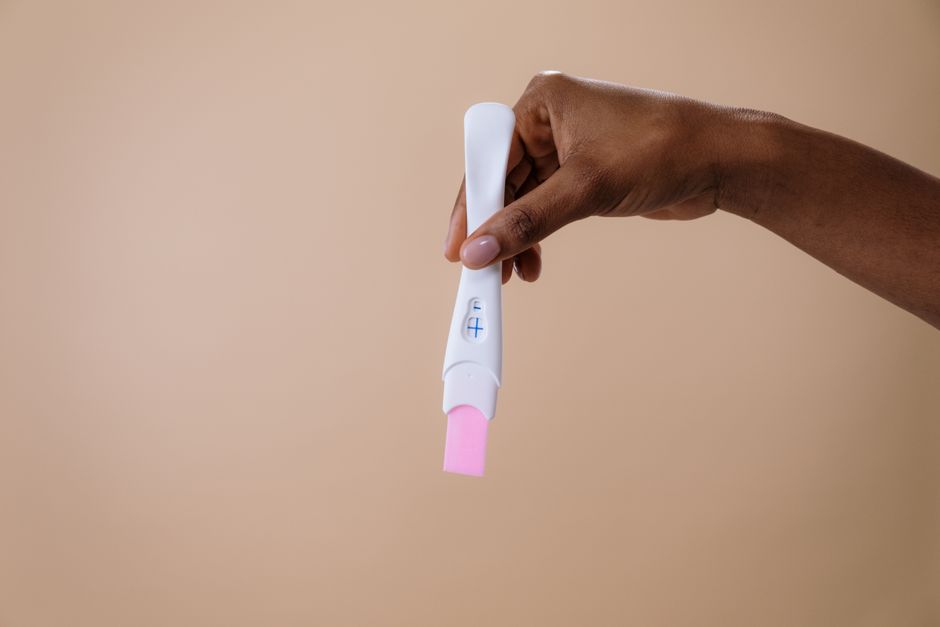
Taking a pregnancy test is straightforward, but doing it correctly matters for getting an accurate result. The most important steps are testing at the right time, following the specific instructions on your test brand, and reading the result within the stated time window. Most home pregnancy tests detect the hormone hCG in your urine, and using them properly can give you a reliable answer within minutes.
When Should You Take a Pregnancy Test?
The best time to take a pregnancy test is after you have missed your period. Testing too early is the most common reason for a false negative result.
Most home tests claim to detect pregnancy several days before your missed period, but those early results are not always accurate. The hormone human chorionic gonadotropin (hCG) only appears in your urine after a fertilized egg implants in the uterus, which typically happens 6 to 10 days after ovulation. Levels then rise quickly, doubling roughly every 48 to 72 hours in early pregnancy.
For the most dependable result, wait until the first day of your missed period. If your cycles are irregular and you do not know when your period is due, wait at least 21 days after unprotected sex before testing.
Testing in the morning is also recommended. Your urine is most concentrated when you first wake up, which means hCG levels are easier to detect. If you test later in the day, try to hold your urine for at least four hours beforehand and avoid drinking large amounts of fluid, which can dilute the sample.
How To Take Pregnancy Test: Step by Step Instructions
Every test brand has slightly different instructions, so read the package insert before you begin. The general process is the same for most home pregnancy tests.
Step 1: Check the expiration date. An expired test can produce inaccurate results. If the test is past its expiration date, throw it away and get a new one.
Step 2: Gather your supplies. You need the test stick, a clean, dry cup if your test requires dipping, and a timer or clock.
Step 3: Collect your urine sample. Urinate into the clean cup, or hold the test stick directly in your urine stream if the instructions allow it. For midstream tests, start urinating, then place the test in the stream for the number of seconds specified in the instructions — usually 5 seconds.
Step 4: Apply the urine to the test. Depending on the brand, you either hold the absorbent tip in your urine stream or dip the test strip into the cup for the specified time, typically 5 to 10 seconds.
Step 5: Lay the test flat. Place the test on a flat, dry surface. Do not tilt it or move it while you wait.
Step 6: Wait the recommended time. Most tests take 3 to 5 minutes to develop. Set a timer and wait the full time stated on the package.
Step 7: Read the result within the time window. Check the result window at the exact time specified. Reading too early may show no line even if you are pregnant. Reading too late can show an evaporation line that looks like a positive result but is not one.
How To Read the Results Correctly
Most home pregnancy tests show two lines or symbols: a control line and a test line. The control line always appears if the test worked correctly. If no control line appears, the test is invalid and you need to take another one.
A positive result means the test detected hCG in your urine. Any visible test line, even a faint one, is a positive result. The darkness of the line does not indicate how far along you are or how strong the pregnancy is — it simply reflects the concentration of hCG in your urine at that moment.
A negative result means no hCG was detected. This could mean you are not pregnant, or it could mean you tested too early. If you still have not gotten your period within a week, take another test.
Digital tests display the words “Pregnant” or “Not Pregnant,” which removes the guesswork of interpreting lines. These tests work the same way but use a digital reader instead of a visual line.




Common Mistakes That Affect Test Accuracy
Several simple errors can lead to incorrect results. Knowing what to avoid helps you trust the outcome.
- Testing too early: hCG may not be present in detectable levels before your missed period.
- Reading the test too late: An evaporation line can appear after the recommended reading window and look like a faint positive.
- Drinking too much fluid before testing: Excess fluid dilutes your urine and can lower hCG concentration below the test’s detection threshold.
- Not following the timing instructions: Leaving the test in your urine stream for too long or too short a time can affect results.
- Using an expired or damaged test: The chemicals in the test degrade over time.
Some medications can interfere with pregnancy test results. Fertility medications containing hCG, such as those used to trigger ovulation, can cause false positives. Most other medications, including birth control pills and antibiotics, do not affect test accuracy. If you are taking fertility medications, your doctor can advise when to test.
What To Do After Getting a Positive Result
A positive home pregnancy test is highly accurate when done correctly. Most home tests have an accuracy rate above 99 percent when used as directed.
Schedule an appointment with a healthcare provider to confirm the pregnancy and discuss next steps. Your provider will likely do a blood test or another urine test and discuss prenatal care, including folic acid supplementation and lifestyle adjustments.
Start taking a prenatal vitamin with at least 400 micrograms of folic acid if you have not already. Folic acid helps prevent neural tube defects in early development, and it is most effective when started before conception or very early in pregnancy.
A positive test does not tell you how far along you are. Your healthcare provider will estimate your due date based on your last menstrual period and, in many cases, an ultrasound.
What To Do After Getting a Negative Result
A negative result is less definitive than a positive one. It simply means hCG was not detected at the time you tested.
If you tested before your missed period and got a negative result, wait a few days and test again. Your hCG levels may not have been high enough to detect yet. Testing again three to five days later gives your body time to produce more hCG if you are pregnant.
If you tested after your missed period and got a negative result, but your period still has not arrived, wait one week and test again. If the second test is also negative and your period still has not come, contact a healthcare provider to explore other reasons for the missed period.
Stress, significant weight changes, thyroid conditions, and polycystic ovary syndrome (PCOS) can all cause irregular or missed periods. A negative pregnancy test does not rule out these conditions, and persistent menstrual irregularities deserve medical attention.
Blood Tests vs. Urine Tests
Home pregnancy tests use urine to detect hCG. Blood tests performed in a doctor’s office can detect pregnancy earlier and measure hCG levels more precisely.
There are two types of blood pregnancy tests. A qualitative blood test simply reports whether hCG is present, giving a yes or no answer. A quantitative blood test, also called a beta hCG test, measures the exact amount of hCG in your blood.
Blood tests can detect pregnancy about 6 to 8 days after ovulation, several days earlier than most urine tests. However, they are more expensive, require a laboratory visit, and take longer to produce results. For most people, a home urine test provides accurate and timely information without the extra steps.
Doctors may order quantitative blood tests to monitor early pregnancy, especially if there is concern about miscarriage or ectopic pregnancy. Serial measurements taken 48 hours apart can show whether hCG levels are rising appropriately.
Frequently Asked Questions
How soon can I take a pregnancy test?
You can take a test as early as a few days before your missed period, but waiting until the first day of your missed period gives the most accurate result.
Can I take a pregnancy test at night?
Yes, but morning urine is more concentrated and more likely to show a positive result if you are testing early.
What does a faint positive line mean?
Any visible line, even a faint one, is a positive result because the test detected hCG in your urine.
Can medication affect my pregnancy test result?
Only fertility medications containing hCG can cause a false positive, and most other medications do not affect test accuracy.
