
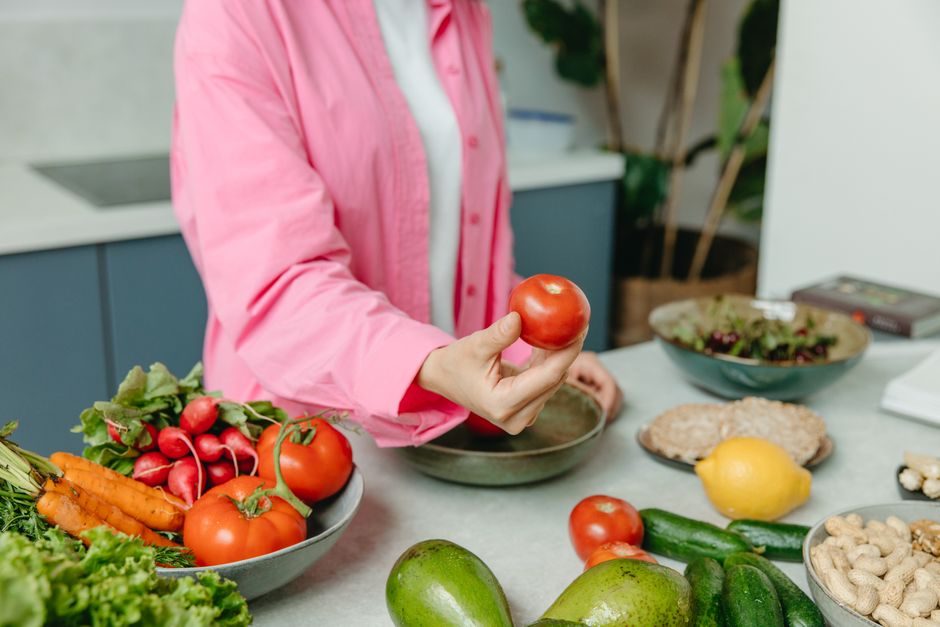
Yes, it is okay to eat tomato seeds. They are safe for almost everyone and contain fiber and other nutrients. The seeds are not toxic, and the idea that they cause appendicitis or digestive problems is a myth that medical research does not support.
Are Tomato Seeds Safe to Eat?
Tomato seeds are safe for human consumption. They pass through your digestive system without causing harm. The seeds are surrounded by a gel-like coating that contains compounds which actually help protect the seed from digestive enzymes.
Some people worry that seeds might get stuck in the appendix or cause diverticulitis. This concern is not supported by medical evidence. The appendix is a small pouch attached to the large intestine. While a seed could theoretically enter it, this is extremely rare and not a reason to avoid eating tomatoes.
For people with diverticulosis, the older advice was to avoid seeds and nuts. That guidance has changed. Current medical opinion holds that seeds do not increase the risk of diverticulitis attacks. Most gastroenterologists now tell patients with diverticular disease that seeds are fine to eat.
Do Tomato Seeds Have Nutritional Value?
Tomato seeds contain fiber, which supports regular digestion. They also contain small amounts of protein and healthy fats. The seeds are not a major source of vitamins or minerals compared to the flesh of the tomato itself.
The fiber in tomato seeds is insoluble fiber. This type of fiber adds bulk to stool and helps food move through the digestive tract. For most people, this is beneficial. If you have a sensitive stomach or are not used to high-fiber foods, eating large amounts of seeds at once could cause mild bloating.
The gel around the seeds contains compounds called nucleosides. Some research suggests these may have anti-inflammatory properties, but the amounts in a normal serving of tomatoes are too small to produce any measurable health effect in humans.
Can Tomato Seeds Cause Digestive Problems?
For most people, tomato seeds cause no digestive problems at all. They are small, smooth, and pass through the system without issue.
People with certain digestive conditions may notice discomfort after eating tomato seeds. If you have Crohn’s disease or ulcerative colitis, the fiber in seeds could irritate an inflamed bowel during a flare-up. This is not because the seeds are dangerous, but because any high-fiber food can be hard to tolerate when the gut is inflamed.
Some people report that tomato skins and seeds appear undigested in their stool. This is normal. The human digestive tract does not break down cellulose, which is the main structural component of plant cell walls. Seeing seed fragments in stool does not mean anything is wrong.



Is There Any Truth to the Tomato Seed Poisoning Myth?
No. Tomato seeds are not poisonous. This myth likely comes from confusion about the tomato plant’s leaves and stems, which do contain compounds called glycoalkaloids.
Tomato leaves and stems contain tomatine and solanine. These compounds can cause digestive upset if eaten in large amounts. However, the ripe fruit and its seeds contain only trace amounts of these compounds, far below any level that would cause harm.
Green tomatoes contain more glycoalkaloids than ripe red tomatoes. Eating a large quantity of green tomatoes could cause mild stomach upset in sensitive individuals, but the seeds themselves are not the concern. The flesh of the green tomato contains higher levels than the seeds.
What About Tomato Seeds in Canned or Cooked Products?
Canned tomatoes, tomato sauce, and tomato paste all contain seeds. Cooking does not change the safety of the seeds. The heat from canning and cooking makes the seeds softer, but they remain intact and safe to eat.
Some people remove seeds from tomatoes for texture reasons, not safety reasons. Restaurant chefs often remove seeds from fresh tomatoes for salads and sandwiches because the seeds and gel can make a dish watery. This is a culinary preference, not a health necessity.
Homemade tomato sauce sometimes tastes slightly bitter if the seeds are crushed during cooking. This is because crushed seeds release compounds that can add bitterness. Straining seeds out of sauce is a flavor choice, not a safety measure.
Are Tomato Seeds Safe During Pregnancy?
Yes. Tomato seeds are safe to eat during pregnancy. There is no evidence that tomato seeds pose any risk to a developing fetus or to the pregnant person.
Pregnant women often experience heartburn, and tomatoes are a common trigger for acid reflux. This is due to the tomato’s acidity, not the seeds. If tomatoes cause heartburn during pregnancy, removing the seeds and skins may help slightly, but it will not eliminate the acidity that comes from the fruit’s flesh.
The fiber in tomato seeds can actually be helpful during pregnancy, as constipation is a common complaint. Eating tomatoes with seeds provides more fiber than eating seedless tomatoes.
Should Children Avoid Tomato Seeds?
No. Children can safely eat tomato seeds. The seeds are not a choking hazard for most children because they are tiny and soft. Whole cherry tomatoes can be a choking hazard for young children, so these should be cut into quarters or smaller pieces.
For toddlers and young children, the concern with tomatoes is not the seeds but the acidity and the skin. Some young children have trouble chewing tomato skins, which can cause gagging. Removing the skins and seeds for very young children is fine, but it is a texture preference, not a safety requirement.
How Many Tomato Seeds Are Too Many?
There is no established upper limit for tomato seed consumption. A typical tomato contains between 100 and 300 seeds depending on the variety. Eating multiple tomatoes in a day is safe for most people.
The only practical limit comes from overall fiber intake. If you suddenly increase your fiber intake dramatically by eating many tomatoes with seeds, you might experience gas or bloating. This is temporary and not harmful.
No clinical guidelines exist for maximum tomato seed consumption because no adverse effects have been documented at any reasonable intake level.
Do Tomato Seeds Interfere With Nutrient Absorption?
Tomato seeds contain phytic acid, a compound that can bind to certain minerals like iron and zinc. This is sometimes called an “anti-nutrient” because it can reduce mineral absorption.
The amount of phytic acid in tomato seeds is very low. The seeds make up a small fraction of the total tomato weight, and the phytic acid content is not high enough to meaningfully affect your mineral status. For comparison, whole grains, nuts, and legumes contain much higher levels of phytic acid than tomato seeds.
Eating tomatoes with seeds will not cause mineral deficiencies. The vitamin C in tomatoes actually enhances iron absorption from other foods, which more than offsets any minor effect from phytic acid in the seeds.
Frequently Asked Questions
Can tomato seeds cause appendicitis?
No. Medical research does not support the claim that tomato seeds cause appendicitis. This is a persistent myth with no evidence behind it.
Are tomato seeds poisonous?
No. Tomato seeds are not poisonous. The leaves and stems of the tomato plant contain higher levels of glycoalkaloids, but the ripe fruit and seeds are safe to eat.
Should people with diverticulitis avoid tomato seeds?
No. Current medical guidance says seeds do not increase the risk of diverticulitis attacks. Older advice to avoid seeds has been revised based on better evidence.
Do tomato seeds have any health benefits?
Tomato seeds provide insoluble fiber that supports digestion. They contain small amounts of protein and fat, but their main nutritional contribution is fiber.
