
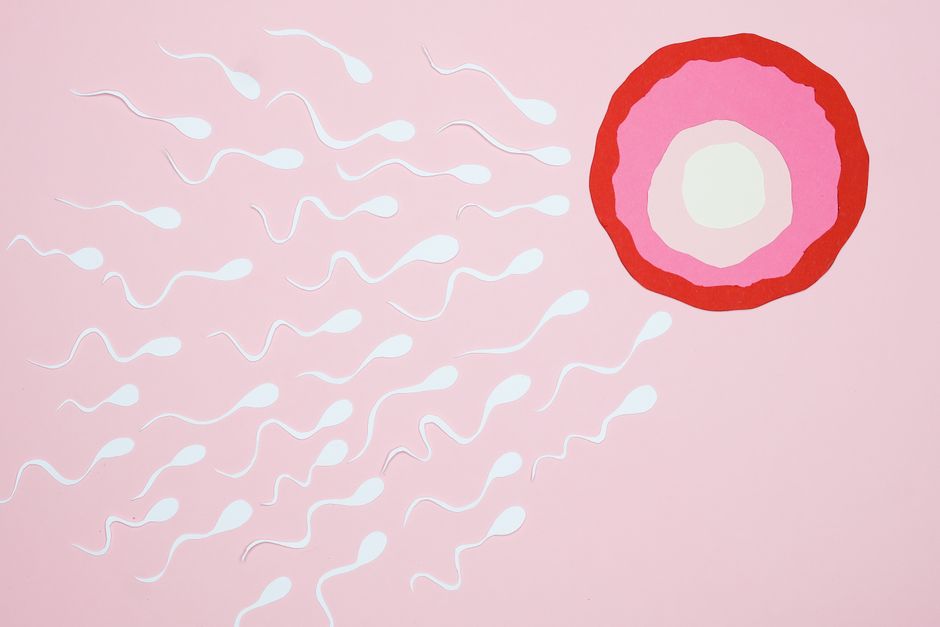
Yes, it is normal to skip ovulation sometimes. Most people who menstruate have an occasional cycle where no egg is released, and this can happen without any underlying health problem. It becomes worth a closer look when skipped ovulation happens often, or when you are trying to get pregnant.
Ovulation is the release of a mature egg from an ovary. It is the event that makes pregnancy possible in a given cycle. When it does not happen, the cycle is called anovulatory. That single word covers a wide range of situations, from a one-off blip to a pattern that signals a hormonal condition.
What Happens In The Body When You Skip Ovulation?
A menstrual cycle is a hormonal conversation between the brain and the ovaries. Skipping ovulation means that conversation did not reach its final step.
The cycle starts when the hypothalamus signals the pituitary gland to release follicle-stimulating hormone (FSH). FSH tells follicles in the ovaries to grow. As they grow, they produce estrogen. Rising estrogen eventually triggers a sharp surge in luteinizing hormone (LH), and that surge causes a mature follicle to release an egg.
If the egg is not released, the second half of the cycle does not happen as usual. The ovary does not form a corpus luteum, the temporary gland that makes progesterone after ovulation. Progesterone is what stabilizes the uterine lining and raises body temperature slightly after ovulation. Without it, the hormonal rhythm changes.
This is why anovulatory cycles often look different. They may be shorter or longer. Bleeding can happen from a lining that builds up under estrogen and then sheds without the usual progesterone signal. A period can arrive without ovulation having occurred at all. That is one of the most misunderstood points about menstrual bleeding: a bleed is not proof that an egg was released.
How Common Is It To Skip Ovulation?
Occasional anovulatory cycles are common, especially at the two ends of the reproductive years. The evidence is strongest for adolescents and for people approaching menopause.
In the first few years after periods begin, the hypothalamus and pituitary are still maturing their signaling rhythm. Cycles are often irregular and frequently anovulatory during this time. This is a normal part of reproductive development, not a sign of disease on its own.
At the other end, the years leading into menopause involve a gradual decline in ovarian function. Hormone levels fluctuate, cycles become irregular, and ovulation becomes less predictable. Some cycles in this transition are anovulatory.
In between, most healthy cycles are ovulatory, but an occasional skipped cycle still happens. Stress, illness, travel, significant weight change, and disrupted sleep can all affect the hormonal signals that drive ovulation. The exact frequency varies widely from person to person, and there is no single “normal” number of anovulatory cycles per year that applies to everyone.
What Causes Anovulation?
The causes fall into a few broad groups. Some are temporary and lifestyle-related. Others reflect an underlying condition that affects hormone signaling.
- Hormonal conditions. Polycystic ovary syndrome (PCOS) is one of the most common causes of frequent anovulation. Thyroid problems and elevated prolactin can also disrupt ovulation.
- Significant weight change. Both very low body weight and rapid weight loss can suppress the hormones that trigger ovulation. Very high body weight is also associated with anovulation, partly through effects on insulin and hormone balance.
- Intense physical stress. High training loads combined with low energy intake can disrupt the cycle, a pattern seen in some endurance athletes.
- Psychological stress. Sustained stress can affect the hypothalamus, which sits at the top of the hormonal chain that starts each cycle.
- Age-related transition. The years before menopause bring natural hormonal fluctuation.
- Medications and medical conditions. Some drugs and some chronic illnesses can interfere with ovulation.
These causes are not equally likely, and often more than one is at play. A clinician can help sort out which is relevant in a given case.





How Do You Know If You Ovulated?
You cannot confirm ovulation from a calendar alone. Several methods give indirect clues, and each has limits.
Tracking basal body temperature can show a sustained rise after ovulation, which suggests progesterone is being produced. But temperature shifts can be affected by illness, sleep, and alcohol, and they confirm ovulation only after it has happened. Ovulation predictor kits detect the LH surge, which usually precedes ovulation, but a positive result does not guarantee an egg was released.
Cervical mucus changes are another sign. Around ovulation, mucus often becomes clearer, stretchier, and more slippery. This is a useful observation but not a reliable confirmation on its own.
For people trying to conceive, a clinician can confirm ovulation more directly with a blood test for progesterone in the second half of the cycle, or with ultrasound monitoring of follicle development. These are the methods that actually verify whether ovulation occurred.
When Should Skipped Ovulation Concern You?
An occasional skipped cycle is usually not a cause for worry. A pattern is different. Certain signs warrant a conversation with a healthcare provider.
Talk to a clinician if your cycles are consistently very long, very short, or highly irregular, or if you go several months without a period. These patterns can point to a hormonal condition that deserves evaluation.
If you are trying to conceive and have not succeeded after a year of regular unprotected sex, or after six months if you are 35 or older, that is a standard reason to seek evaluation. Frequent anovulation is one of the common reasons pregnancy does not occur, and identifying it early can guide next steps.
Other signs to raise with a provider include new acne, unusual hair growth, or hair loss, which can accompany hormonal conditions. Very heavy or prolonged bleeding also deserves attention. None of these automatically means something is wrong, but they are reasonable reasons to check.
Does Skipping Ovulation Affect Fertility And Long-Term Health?
Anovulation directly affects the chance of pregnancy in that cycle. No egg means no conception that month. A single skipped cycle has little effect on overall fertility.
Frequent anovulation is a different matter. If ovulation happens rarely, the window for conception is narrow, and this is a common and treatable reason for difficulty getting pregnant. Many causes of anovulation respond to clinical management, which is why identifying the cause matters.
There is also a longer-term consideration. When ovulation does not occur, the uterine lining can build up under estrogen without the regular shedding that progesterone helps coordinate. Over time, this pattern is associated with changes in the lining. This is one reason clinicians take persistent anovulation seriously rather than treating it as a minor inconvenience. The evidence here is well established in gynecologic practice.
It is worth separating two ideas that often get blurred. Irregular bleeding is not the same as anovulation, and anovulation is not the same as infertility. They overlap, but they are not interchangeable. A person can have irregular cycles and still ovulate in many of them, and a person can have regular-looking bleeding without ovulating every cycle.
Can You Make Ovulation More Regular?
There is no guaranteed way to control ovulation, and no lifestyle change is proven to make every cycle ovulatory. What the evidence does support is addressing factors that can disrupt it.
For people whose anovulation is linked to significant stress, extreme training loads, or rapid weight change, restoring balance in those areas can help the hormonal system recover. This is general guidance, not a treatment protocol. For anovulation caused by a specific condition such as PCOS or a thyroid disorder, clinical management of that condition is the appropriate path, and treatment options differ depending on the cause.
No supplement or product is established to reliably restore ovulation in people with an underlying hormonal condition. Be cautious with marketing claims that promise to “regulate” your cycle. The evidence does not support those claims as a substitute for proper evaluation.
Frequently Asked Questions
Is it normal to skip ovulation every other month?
Ovulating in only about half of cycles is more frequent than typical for most healthy adults and is worth discussing with a clinician. It can point to a hormonal condition that deserves evaluation.
Can you get a period without ovulating?
Yes. Bleeding can occur when the uterine lining sheds without an egg having been released, so a period is not proof of ovulation.
How many times a year is it normal to not ovulate?
There is no single agreed number that applies to everyone, and occasional anovulatory cycles are common. Frequent skipped ovulation is the pattern that warrants a clinical conversation.
Can stress cause you to skip ovulation?
Sustained stress can affect the hypothalamus, which sits at the top of the hormonal chain that triggers ovulation. This can contribute to an anovulatory cycle.
