
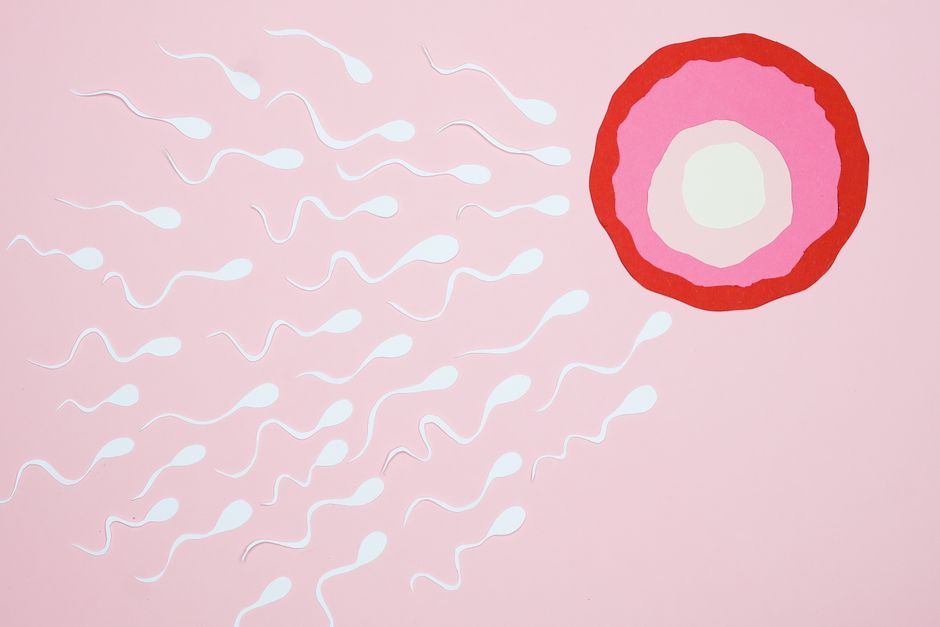
Ovulation is the release of a mature egg from one of the ovaries, and it usually happens around the middle of a menstrual cycle. How you feel during ovulation varies a lot from person to person. Some notice a distinct twinge on one side of the lower belly, clearer and stretchier cervical mucus, a small rise in body temperature, or a shift in mood and sex drive. Others feel nothing at all, and that can still be completely normal.
What follows is what the research and clinical understanding actually support about ovulation sensations, and where the evidence gets thin or mixed.
What Happens in the Body During Ovulation?
Ovulation is triggered by a surge in luteinizing hormone (LH) from the pituitary gland. That surge causes a mature follicle in the ovary to rupture and release an egg, which then travels into the fallopian tube where it can be fertilized.
The whole process is driven by a coordinated dance of hormones. In the first half of the cycle, estrogen rises as a follicle matures. When estrogen reaches a certain level, it triggers the LH surge. Ovulation typically follows about 24 to 36 hours after that surge begins, though the timing varies between individuals and between cycles.
After the egg is released, the ruptured follicle becomes a structure called the corpus luteum, which produces progesterone. That hormone shift is what causes the second half of the cycle to feel different from the first — and it explains why some people feel a distinct change around ovulation itself.
One detail worth knowing: ovulation does not always happen on day 14. That number assumes a perfect 28-day cycle. Cycles range widely, and the timing of ovulation shifts with them. This matters because symptom-based tracking is only as reliable as your understanding of your own cycle length.
How Do You Feel During Ovulation Signs To Know?
The most commonly reported ovulation sensations are a one-sided lower belly ache, changes in cervical mucus, a slight rise in basal body temperature after ovulation, and shifts in mood or libido. Not everyone experiences all of these, and some people experience none.
Here is what each one involves.
- Mittelschmerz — a German word meaning “middle pain” — is a dull or sharp ache on one side of the lower abdomen. It happens when the follicle ruptures. It usually lasts minutes to a few hours, though some feel it for a day or two. It may alternate sides from cycle to cycle.
- Cervical mucus changes are one of the more reliable signs. Around ovulation, mucus typically becomes clear, slippery, and stretchy — often compared to raw egg whites. This texture helps sperm survive and move. After ovulation, it tends to become thicker and less abundant.
- Basal body temperature rises slightly after ovulation, not before. This means temperature tracking confirms ovulation after the fact rather than predicting it. The rise is small — often a few tenths of a degree — and requires consistent measurement at the same time each morning before getting out of bed.
- Libido and mood can shift around ovulation for some people. Some research suggests a rise in sexual desire near ovulation, though results across studies are mixed and the effect is not universal.
- Breast tenderness, bloating, or light spotting are sometimes reported around ovulation, but these overlap heavily with other cycle phases and are not specific to it.
One clarification that gets lost in a lot of online content: ovulation pain and ovulation itself are not the same thing. You can ovulate without feeling pain. You can also feel one-sided pelvic pain for reasons unrelated to ovulation, including digestive issues, ovarian cysts, or other conditions. Persistent or severe pain always deserves a medical evaluation.
Is Mittelschmerz the Same as Ovulation Pain?
Yes. Mittelschmerz is the clinical term for ovulation pain. It is a real, documented phenomenon, though estimates of how many people experience it vary widely in the medical literature.
The pain is thought to come from the stretching of the ovarian surface as the follicle grows and then ruptures. Some researchers also point to irritation of the nearby peritoneum — the membrane lining the abdominal cavity — from the small amount of fluid or blood released when the follicle breaks open.
What it feels like varies. Some describe a mild twinge. Others describe a sharper cramp. It can last from a few minutes to a couple of days. It is usually not dangerous on its own.
When it is worth paying attention to: pain that is severe, lasts more than a day or two, comes with fever, vomiting, or fainting, or happens outside your usual cycle pattern. Those symptoms are not typical of normal ovulation and should be checked by a clinician.




Can You Confirm Ovulation Without Symptoms?
Yes. Many people ovulate without noticing any physical signs. This does not mean ovulation did not happen.
If you want to confirm ovulation rather than rely on how you feel, there are a few established methods:
- Ovulation predictor kits detect the LH surge in urine, which typically happens 24 to 36 hours before ovulation. They predict that ovulation is likely coming, not that it has occurred.
- Basal body temperature tracking confirms ovulation after the fact by showing a sustained temperature rise.
- Progesterone blood testing — usually done in the second half of the cycle — is one of the more direct ways a clinician confirms that ovulation occurred.
- Transvaginal ultrasound can directly visualize a maturing follicle and its rupture, though this is typically reserved for fertility treatment settings.
No single method is perfect on its own. Combining two — for example, LH testing plus temperature tracking — tends to give a clearer picture than either one alone.
What Else Can Change How Ovulation Feels?
Age, cycle regularity, hormonal conditions, and medications can all affect whether and how you feel ovulation.
People with conditions like polycystic ovary syndrome (PCOS) may ovulate irregularly or not at all in some cycles, which makes symptom-based tracking unreliable. Those using hormonal birth control that suppresses ovulation will not experience ovulation signs at all. Perimenopause can bring unpredictable cycles and shifting symptoms that are harder to interpret.
Stress, significant weight change, intense exercise, and thyroid conditions can also disrupt ovulation timing. If your cycles have become irregular, or if you are trying to conceive and not sure whether you are ovulating, that is a conversation worth having with a clinician rather than relying on symptom apps or internet checklists.
When Should You Talk to a Doctor About Ovulation Symptoms?
Most ovulation sensations are not a medical concern. But some patterns warrant a professional evaluation.
Talk to a clinician if you have pelvic pain that is severe, persistent, or getting worse over time. Also worth checking: pain that comes with fever, nausea, vomiting, or fainting; bleeding between periods that is more than light spotting; cycles that have become consistently irregular; or difficulty getting pregnant after a year of trying (or six months if you are over 35).
These signs can point to conditions that have nothing to do with normal ovulation, including ovarian cysts, endometriosis, pelvic inflammatory disease, or thyroid dysfunction. Getting evaluated is not about assuming something is wrong — it is about ruling out what should be ruled out.
Frequently Asked Questions
How long does ovulation pain usually last?
Mittelschmerz typically lasts from a few minutes to a few hours, though some people feel it for up to a day or two. Pain lasting longer than two days or that is severe should be evaluated by a doctor.
Can you feel ovulation on both sides at once?
No, ovulation typically happens from one ovary per cycle, so pain is usually felt on one side. Feeling pain on both sides at the same time is not typical and may point to another cause.
Does clear, stretchy cervical mucus always mean you are ovulating?
Not always. Clear, stretchy mucus is a common sign that ovulation may be near, but it can also appear for other reasons and does not confirm that ovulation has occurred. Combining it with other tracking methods gives a more reliable picture.
Can you ovulate without feeling anything at all?
Yes. Many people ovulate without any noticeable symptoms, and that is normal. The absence of ovulation signs does not mean ovulation did not happen.
